
Ok, let me clarify: I want to throw the party for myself and my husband, and he just turned 40. So it’s perhaps just a more extreme version of the “over the hill party” that was so ubiquitous for my parents and their friends. I was old enough to be in attendance and remember it well.
My husband just experienced the loss of his father and has been watching a family video of his father’s 40th huge “over the hill party.” My own father’s 40th birthday party came as a surprise. It included an enormous floating Garfield balloon that came home with us and spectrally floated up and down the staircase late at night for weeks. Neither father ever had any other large birthday party, but 40 was such a cultural boundary crossing when it occurred to them, that it was marked with satire, commiseration and almost as many family and friends as you would have at a wedding or a wake.
“40” is a different age now. People desiring to be parents might not have even started the process of having children let alone have preteens and teenagers yelling at each other to get out of the shot, as my father-in-law did. When I typed “40 is the new 30” into the google search engine, it pulled up “40 is the new 20.” Hah. Delusion or new cultural belief system?
My father-in-law was not that old when he died: his early 70s. He had cancer and we travelled that long road with him for 10 years; my 5- year old son, coming in the middle, watched carefully as Pa’s hair fell out and came back white, as he seemed to age twenty years overnight with cataracts, discomfort, the hospital bed in the living room surrounded by oxygen tanks. My son often said that Pa was “old,” even though Pa was almost the same age as my father, who still works, plays hide and seek, swims with my kids in the ocean. Life just did different things to them and age did not embody the same way.
I have wanted for awhile to celebrate my birthdays in the wrong order, saving some of the (not quite) young ones for when I really know what decrepit is. Judith Butler can talk until the cows come home about performing gender, day after day, but who is talking about performing age? People do, of course, perform age in the clothes they wear, words they use, in their skin care regimes, attendance at the club… But many “age-related behaviors” have shifted—what music you listen to, how you engage with technology, when you go to college, how you form romantic attachments, what hobbies you pursue—those performative aspects of life do not segregate along age lines the way they used to.
Hegemonic structures regarding human aging seem to be aging themselves, replaced in the media like yesterday’s news. Even where there are “right ages,” they exist in such pockets that the numbers seem like anomalies. The orthodox Jewish real estate lawyers and closing agents who I worked with when I was engaged thought I was extremely old to get married (26). They came to the reception anyway and were amazingly supportive; I was invited to weddings of their children, who were definitely younger than 26 when they said their vows.
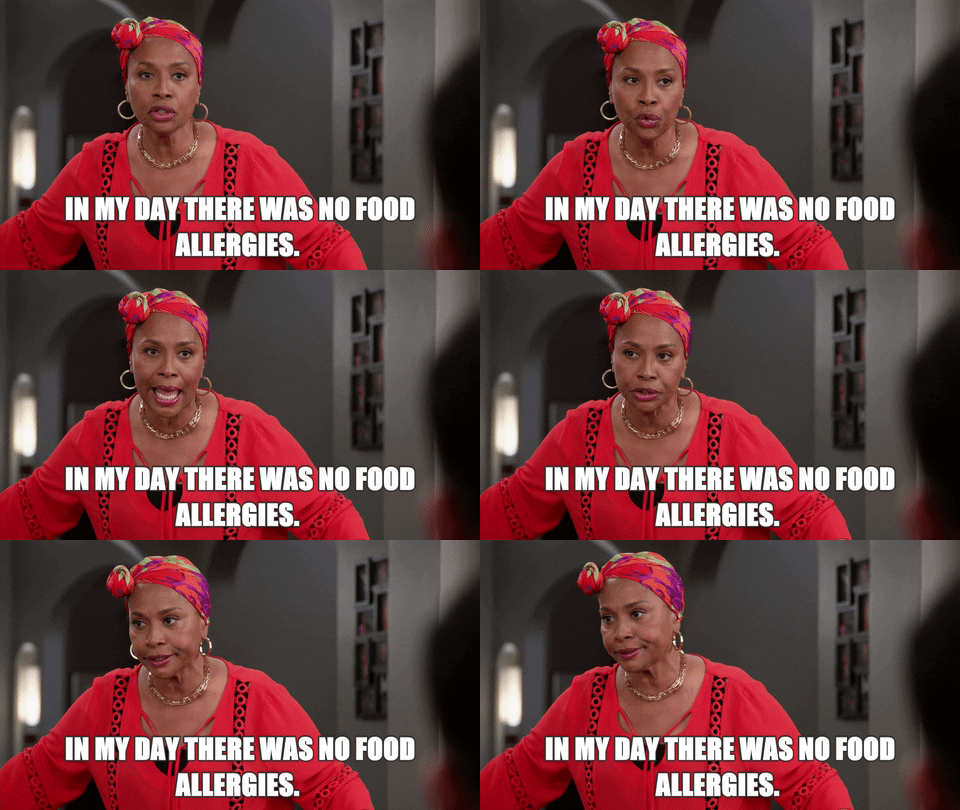
How old should your children be before they can cross the street by themselves, stop sitting in car seats, make decisions for themselves? “In my day…” It’s not just uphill both ways in the snow anymore—it’s not just the times that are a-changing, but perhaps it’s time itself as expressed in the human body.
Jane Fonda (and several other chicks), starred in a not-terribly good movie last summer about women in their 70s reading 50 Shades of Gray. They drank and had sex and worked and did the things we think mean you’re still very much alive. It didn’t matter that it wasn’t a very good movie, because women could now be alive past 40, be human past 40, be noticed past 40. Fonda is also in a much more interesting series on Netflix with Lilly Tomlin, Sam Watterson, Martin Sheen and Ernie Hudson: Grace and Frankie, about complex, interesting, older people.
Grace and Frankie is back and older than ever
There are other people in it too who are not as old. They don’t all do their milestones in the right order either.
People often situate conversations about aging medically, but my father-in-law had the very best care, innumerable clinical trials and a fierce, relentless determination—medicine, if anything, sped up his aging process. Lots of Americans, especially in January, believe that aging goes better with good habits—eating right, getting good sleep, exercising. Everyone knows people that didn’t work out for, not only because of accidents and tragedies but because sometimes the body isn’t ready to accept such impositions.
To have a 75th birthday is aspirational but is it greedy in a city with such a high murder rate, where our most recent victims are 26, 25, 31, 43, 20, 35, 29, 25, 20, 26, 55, 33, 28? (I’ll be horribly honest, before I looked that up I thought the numbers would be even lower than that.)
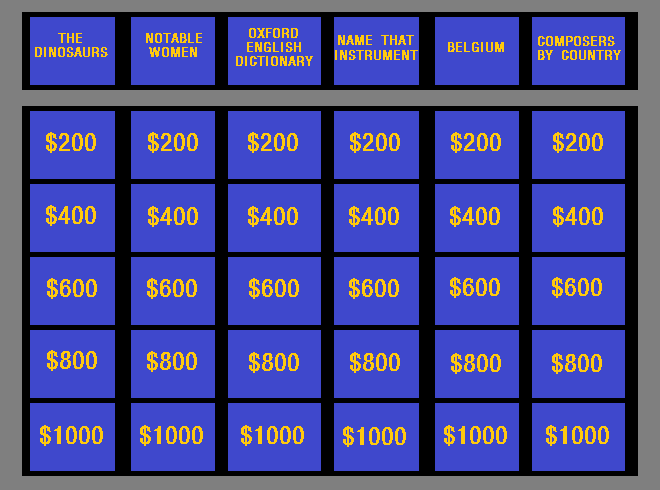
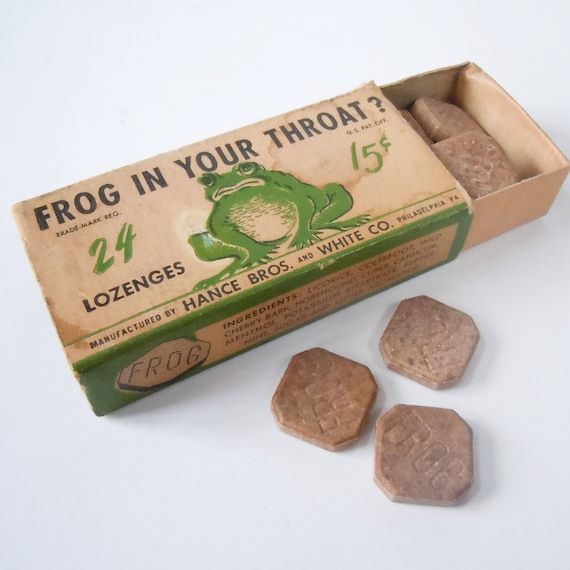
I want to throw this party at my grandmother’s retirement community. I want to have puzzles and lozenges, re-runs of Jeopardy playing, breaks for swing dancing, drag out some recliners for the occasion, make some sort of decorations out of Depends, give away Advil or aspirin as party favors. There would be a lot of food and booze and kids running around. (The structure of that sentence bothers me a little.) I want to invite just as many people as they used to invite for 40th birthday parties (and maybe some people still do that? Does Spencer’s Gifts still exist?) Will anyone get my idea? Or will they think I am ungrateful and not acting my age? Shouldn’t I do something that seems to celebrate life the way Americans often do with extreme physical activity, excessive drinking in Vegas, exuberant spending around the world? Well, those people are all richer than I am. Perhaps I should just behave like a responsible adult with people over to the house giving me joke cards and some sort of boa I have to wear.
My husband thinks this party is a weird idea. He thinks it’s especially evil to the people in the retirement community. Although in my defense I will not be putting up fliers saying “Hah hah, I’m not really 75.” It certainly doesn’t sustain him the way watching that video does—when his own father, receiving box after wrapped box of harbingers of death (and booze), was so young and so alive.
Am I fighting age or leaning in so far that I really am going to need a walker? I want to bring my broken, already very lived in body across many different finish lines before the end, so am I just tempting fate? This idea seems not just funny but life affirming to me. What about the other folks in the retirement home? How will they feel? An odd sort of thing to appear on the calendar next to the yoga, buses to Target, knitting club and luau night. Freakish no-longer-young-but-somewhere-in-between-woman is knocking at your door. Shouldn’t I be clinging to the last remnants of youth? With so many questions, the only thing I’m ready for is those Jeopardy re-runs.
 Unruly Bodies
Y’know. I think about my age a lot and I’m often like, “man I am really glad I’m not me at 20 anymore.” I am not sure what growth through age means. I feel like I experienced a few things backwards when I was a child. People often say they miss those carefree days, and being an adult sucks, but I am not sure I can agree with that sentiment all the way. My own example is my father. I often say he is more 25 than I am. At 48, he has a motorcycle, a sports car, a one year old son, a gym membership, all the societal markings of a fun and exciting “young man.” I thought, “oh…mid-life crisis…but damn how is my dad cooler than me?!”, but when I think about it more closely, I think that is just me being close-minded. Does he really have to act 48? What the heck does 48 really look like anyway? This blog makes me feel like living is just living and the performance of age should not be so necessary. Responsibility and maturity are two different things, and I think that is what people are failing to realize. Great post!