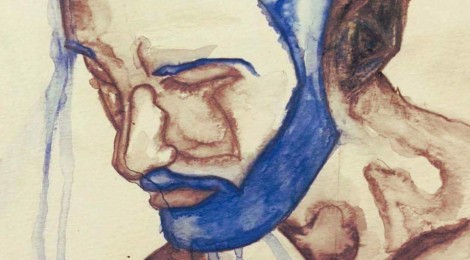
“I was seven,
Wearing play clothes,
When he decided,
I was his experiment
I was seven,
Playing in my home,
When he decided to
Claim my innocence”
“I was eight,
Wearing a black shirt,
And pj pants with pink stars
When it all started
I was eight,
In the trusting lap
Of my uncle,
Too young to question,
Too young to debate”
“I was three,
Or possibly five,
When it became,
A monthly encounter,
I think I was three,
Sometimes in a sundress,
Others in pajamas,
When he decided
He had the right to me”
This poem was inspired by an exhibit called What Were You Wearing. The title of the exhibit is a question commonly asked to victims of rape/sexual assault, implying that what happened to them was somehow their own fault. The exhibit proves that clothing is irrelevant when it comes to sexual assault, and that we should stop victim-blaming by asking this question.
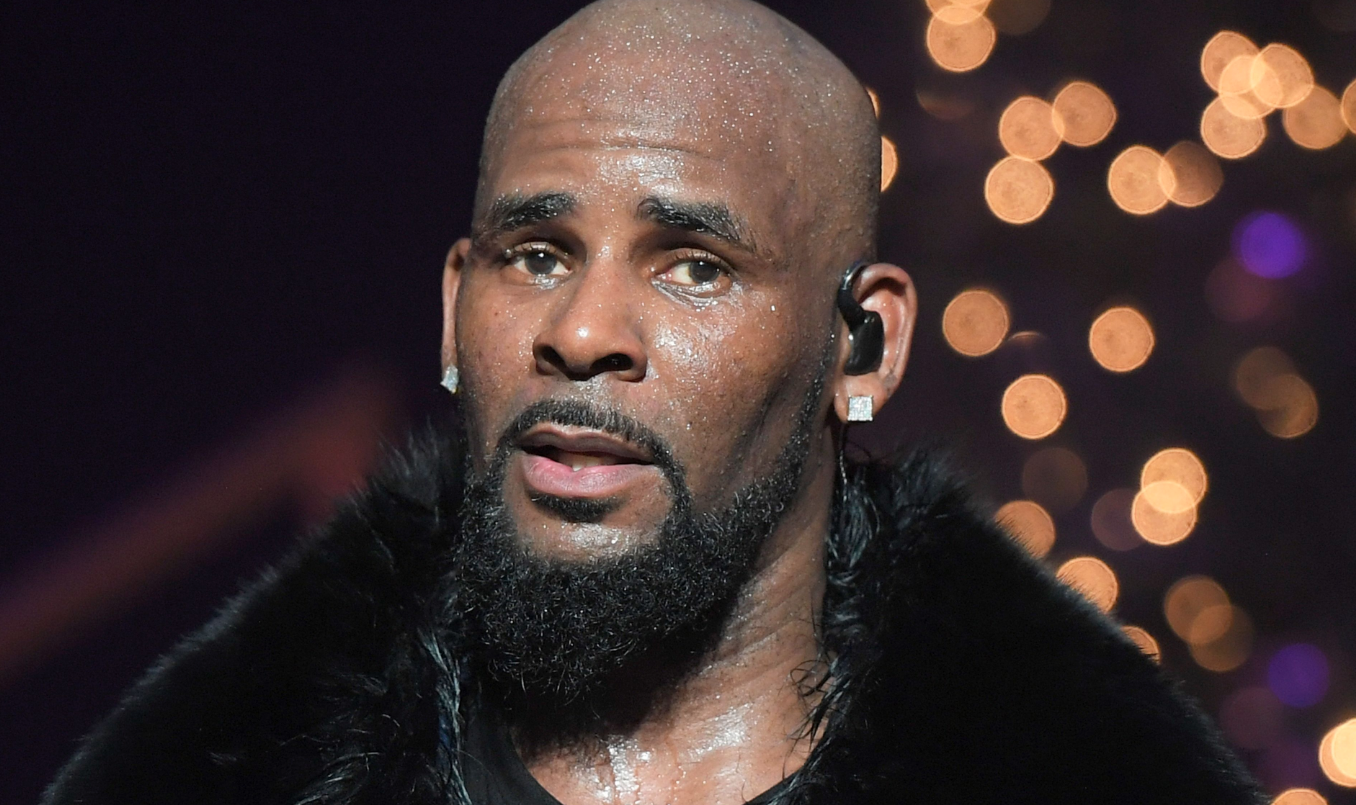 Understanding the complexity of African American politics in today’s conversation of sexual violence is vital as the politics of this community shapes how the group responds to African American public figures (mostly males) committing these acts of violence. Recently the docuseries on the singer/songwriter Robert Kelly known as R.Kelly has revealed information about his past and present that shows he has sexually abused past partners and acted violently towards multiple women. This information is not necessarily new as articles from the 1990’s to the early 2000’s noted that R.Kelly had been depicted Kelly as a sexual predator. In 2008 he had a criminal trial has he was being charged for child pornography but once again slipped through the public’s dismay and remained a loved public figure. This acceptance of people such as Kelly leaves me with deep worry as the women who he assaulted still live in fear and live without justice. Acts of sexual violence such as rape are looked over when the victims are African American women, we see this as the most high profile cases of rape have involved White women though “…approximately 60% of Black girls experience