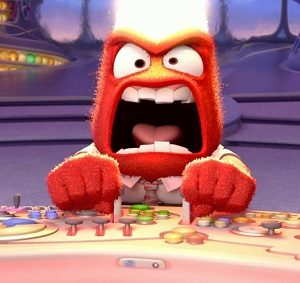
Depicted is the character of “Anger” from the Pixar animated film Inside Out (2015). A short, red, square-shaped character with flams bursting from his head as he screams in rage.
Continue reading
Depicted is the character of “Anger” from the Pixar animated film Inside Out (2015). A short, red, square-shaped character with flams bursting from his head as he screams in rage.
Continue reading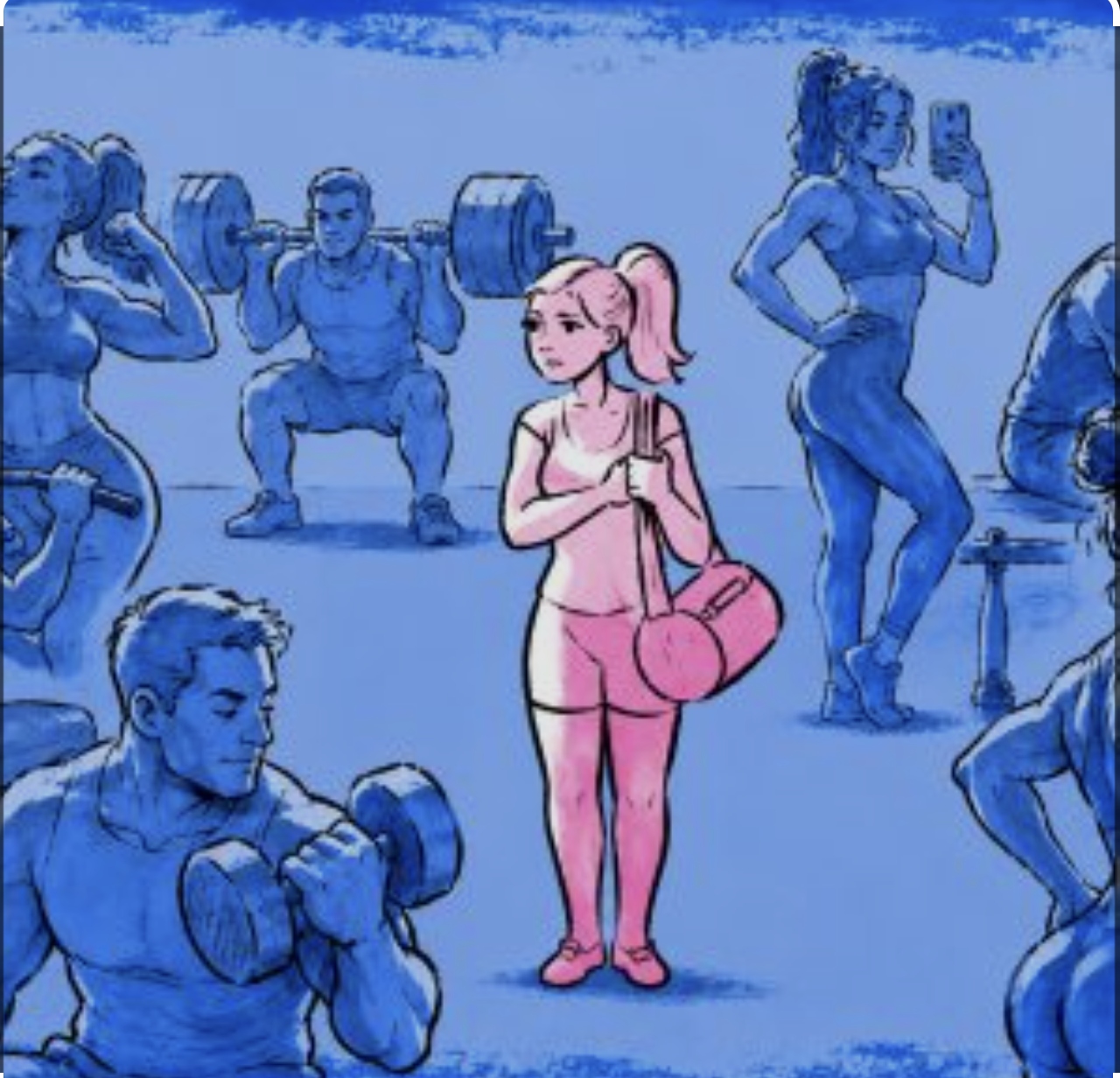
When the fall semester started, I was determined to go to the gym consistently and start running around my neighborhood. I started doing all this research (Tiktok rabbit holes) on what type of exercising I should do to have my body look a certain way based on my height, weight, and schedule. I looked into Pilates classes, good running shoes, and certain meals to eat.
Read More: The Gym is an Award ShowDay 1 came in my 3 split weekly workout schedule, and I was ready. I had a list of exercises to do and a meal plan. However, that morning I started to have a bunch of anxiety. My outfit didn’t look like the cute gym clothes on social media, I had on an old family reunion T-shirt and too small leggings. I had this fear that what if I forgot how to do the exercises properly and someone looks at me and thought I was stupid or could tell that I was new to this. All these thoughts started rushing through my mind to the point where I ended up doing an at- home YouTube workout instead.
Looking back, I realize my anxiety was deeper than just exercising. It was more about how I thought other people would perceive not only my body but how I decided to move it. Social media has created an image of what someone who goes to the gym is supposed to look like, from the clothes they wear to their confidence level with using the equipment. I started comparing myself to that image before I even arrived at the gym.
This experience showed me how culture and societies expectations can shape how people view us and how we view our own bodies. My fear of being judged changed how I experienced my body and my comfortability level of exercising. The gym did not feel like a place to “better myself,” it felt like an award show where everyone was watching me. Fast forward to today, I still do have the fear and overthinking of going to the gym. But rather than not go at all I look on the app to see how busy it is before going. I’m not sure if that’s progress but at least I made it to being in the building.
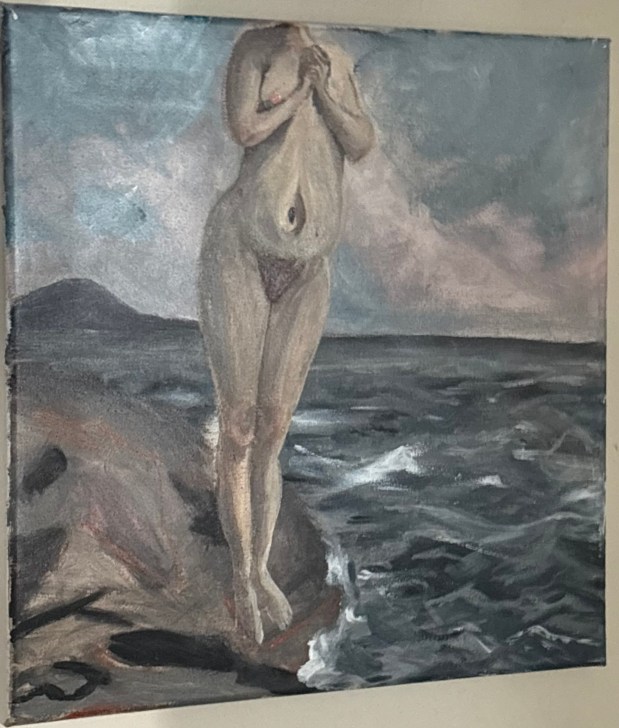
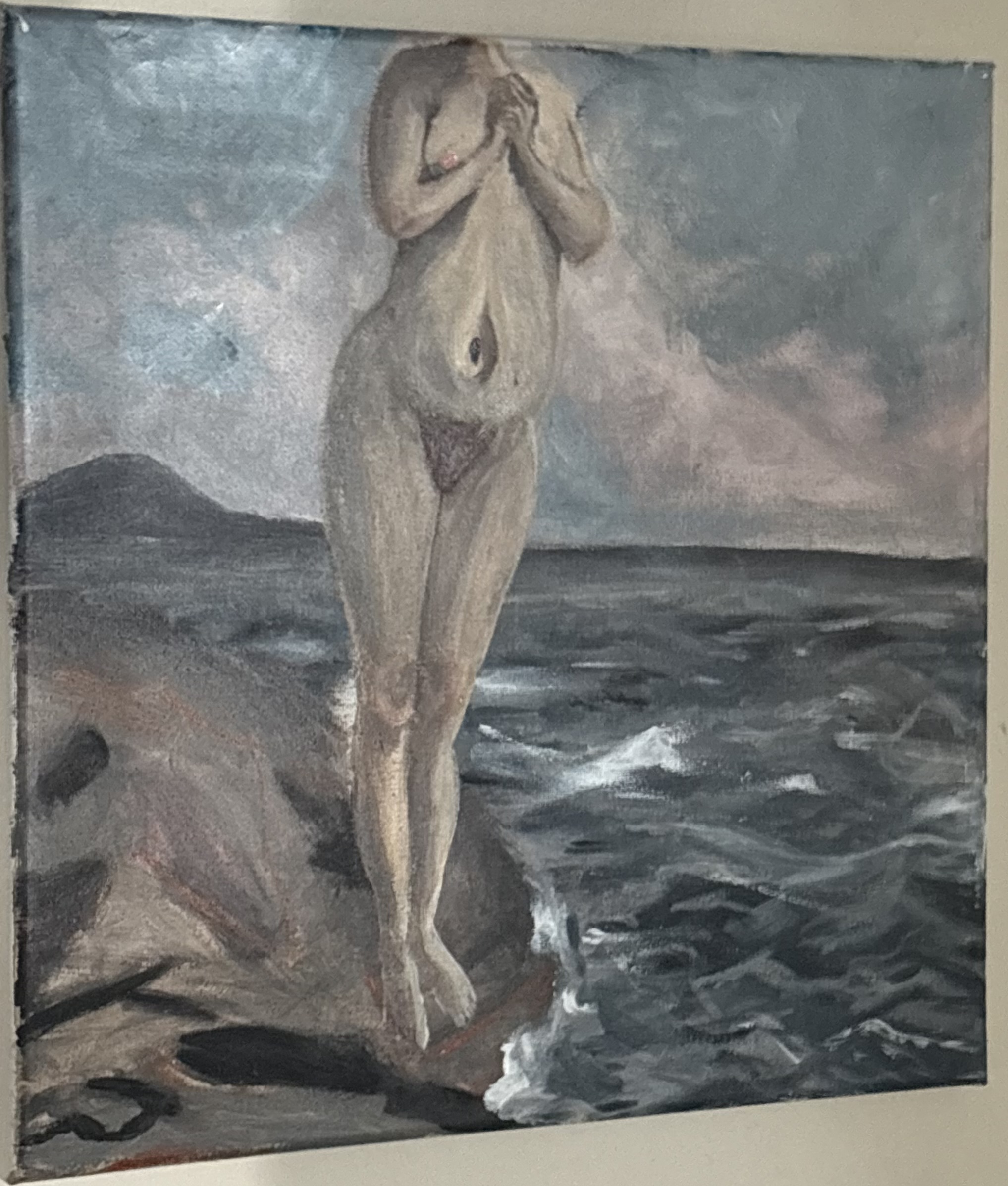
The Muse’s Misfortune
To be a muse is to be worthy. To be a muse is to be beautiful and talented, chosen and seen. To be a muse is to be exhilarated and exhausted, honored and objectified, proud and pornified. There cannot be one state of being without the other, so long as there is one being to perceive and one being to be perceived.
Read more: The Muse’s MisfortuneIn some societies, perhaps, it is possible for a muse to exist without the constant fear and awareness of their own and another’s presence. In patriarchal and sexist cultures, however, the muse faces an internal and external threat of surveillance, and therefore sexualization. “(Patriarchal and sexist) society defines woman as object, as a mere body, and… are in fact frequently regarded by others as objects and mere bodies” (Young, I. “Throwing Like a Girl: A Phenomenology of Feminine Body Comportment Motility and Spatiality,” p. 153-154). For feminine muses, they “learn to live out (their) existence in accordance with the definition that patriarchal culture assigns to (them, and) are physically inhibited, confined, positioned, and objectified” (152). The definition becomes internalized, which then manipulates and forces women into being more feminine- more submissive, docile, small, quiet. “Women often approach a physical engagement with things with timidity, uncertainty, and hesitancy… (They) lack an entire trust in (their) bodies to carry (them to their) aims. There is… a double hesitation here. On the one hand, (women) lack confidence that (they) have the capacity to do what must be done… The other side of this tentativeness is… a fear of getting hurt… (They) often experience (their) bodies as a fragile encumbrance, rather than the medium for the enactment of (their) aims” (143-144). The subordination of feminine beings is at the root of patriarchy, and it grows as more minds and bodies accept the notion that feminine and masculine categories cannot intermingle. The stronger the patriarchy becomes, the more ‘natural’ it seems that feminine bodies are weaker than masculine bodies. In reality, women “have more of a tendency than men to greatly underestimate our bodily capacity,” as well as the relentless pressure of being perceived as a muse, which results in under-performance.
Keto,
Maybe that’ll help
Paleo,
Couldn’t hurt to try
So many failed attempts
To lower her BMI
How can I tell her,
That a number
It doesn’t define her!
The scale, the scale
What does it say?
FAT, it says
But in numbers,
It judges.
Why must we care
What a metal box
Has to say?!
Why do we care
About the numbers
At the end of the day?!
The world says
Those numbers matter
The world says
Those numbers decide
They have more say
Than we do,
In our own lives
It shatters my heart
The look on her face
As we snack on chocolates
While she eats ice chips
Sugar-free,
Fat-free,
And low-carb
That’s her life
My BMI,
That number
It’s way too high
UGH
How can I tell her
That number is futile
Tell me now,
Does the BMI know
Of the babies
You’ve born?!
Does the BMI know
Of the PPD
You’ve overthrown?!
A number cannot measure beauty
So why,
Why does it bring tears to your eyes?
A number cannot measure beauty
So why,
Why must the matter
Overwhelm your mind?
I tell you you’re perfect;
But my words
They are fruitless,
It is only numbers
That get through to you,
The same numbers,
That judge you
I had a really uncomfortable realization of my own internalized misogyny the other day. I’m happy that it came up, it gave me the opportunity to address it and change the way I think about things, but damn was that a shitty thought.
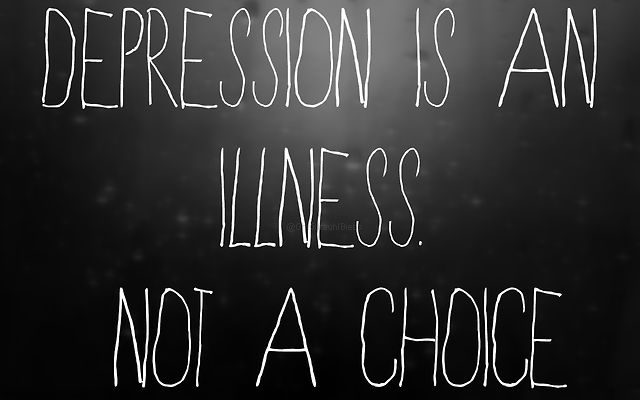
You want to know what growing up with depression taught me?
Continue reading
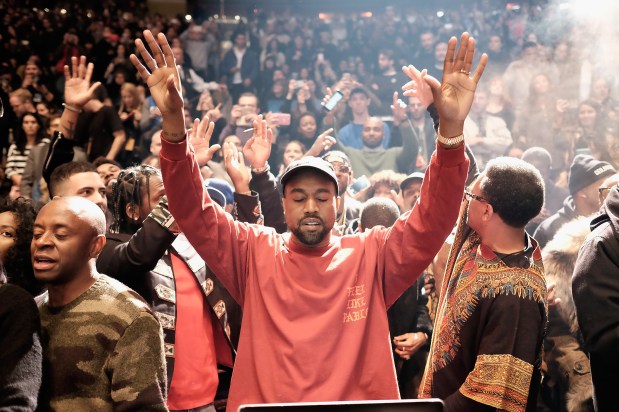
We all know one of the current hot topic at the moment is Kanye West and his mental breakdown. It all started recently during Kanye’s concert for his tour, when he started ranting about different things like his support for Donald Trump, his anger towards Beyoncé’s performance at the VMA for her “formation” song which is based on the Black Panthers theme. He also mentioned Jay-Z and said “don’t send your people for me” referring to the whole illuminati thing, and also how people have been lied to by the media and the radio. A lot of videos have been circulating on twitter showing Kanye really strange and concerning behavior. And a lot of people have been reacting to this, and many people seem to be angry about this. Continue reading

Television can sometimes be the most reflective form of cultural mirroring that can show what society truly thinks of certain people, and the behavior that they find suitable for those types of identities. Dramas and comedies often reveal stereotypical tropes of characters that can often be unrealistic and uncomfortable to experience, while live-action news programming can show the true thoughts that organizations from around the world are attempting to pump into the minds of humans in our society. The least drastic form of television that I would expect catastrophe from would definitely be a game show. I mean, really?
The appropriation of words have been used to shun or shame people from their community or their individuality. I can list a bunch of words that have been used as slurs against people to dehumanize them like, nigger, queer, fruit, fag, bitch, slut, tranny, and the list goes on. There is something important about a community reclaiming a word that has been used to shame them for just being themselves. It creates resistance from the oppressor without violence. It’s simply taking the word and using it towards themselves but in a positive way. It may be weird for the first couple times but grab a group of your gay friends and call each other queers, beautiful queers that run the world. For African Americans reclaiming the word nigger has changed the way black people communicate with each other. By reclaiming the word nigger they changed the last two letters with just an “a” for the more laid back and stylistic approach. African American’s didn’t just reclaim a derogatory word but revamped it to give it a little more flavor. The act of reclaiming a word that has been used to shun a group is also means of survival and learning how to change or adapt to the given environment. It allows humans to take control of an issue and use it for their benefits instead it being against them. I’m proud to know that these words have such great meaning and history behind them and that these words are more than just words but experiences that people have with them.
Content warning: spanking, physical punishment, parenting
When it comes to parenting, there is perhaps no concept more divisive than the use of spanking as a form of punishment. From conversations with my peers, I have heard a wide variety of opinions on the matter, from what classifies as spanking to whether or not corporal punishment should be administered to children at all. Based on my experiences, those who were spanked as children view the act as an entirely normal part of childhood and even commend their parents use of corporal punishment, while those who were not spanked cannot imagine why someone would put their hands on their child in order to teach a lesson. Continue reading

