Move Me, Move You

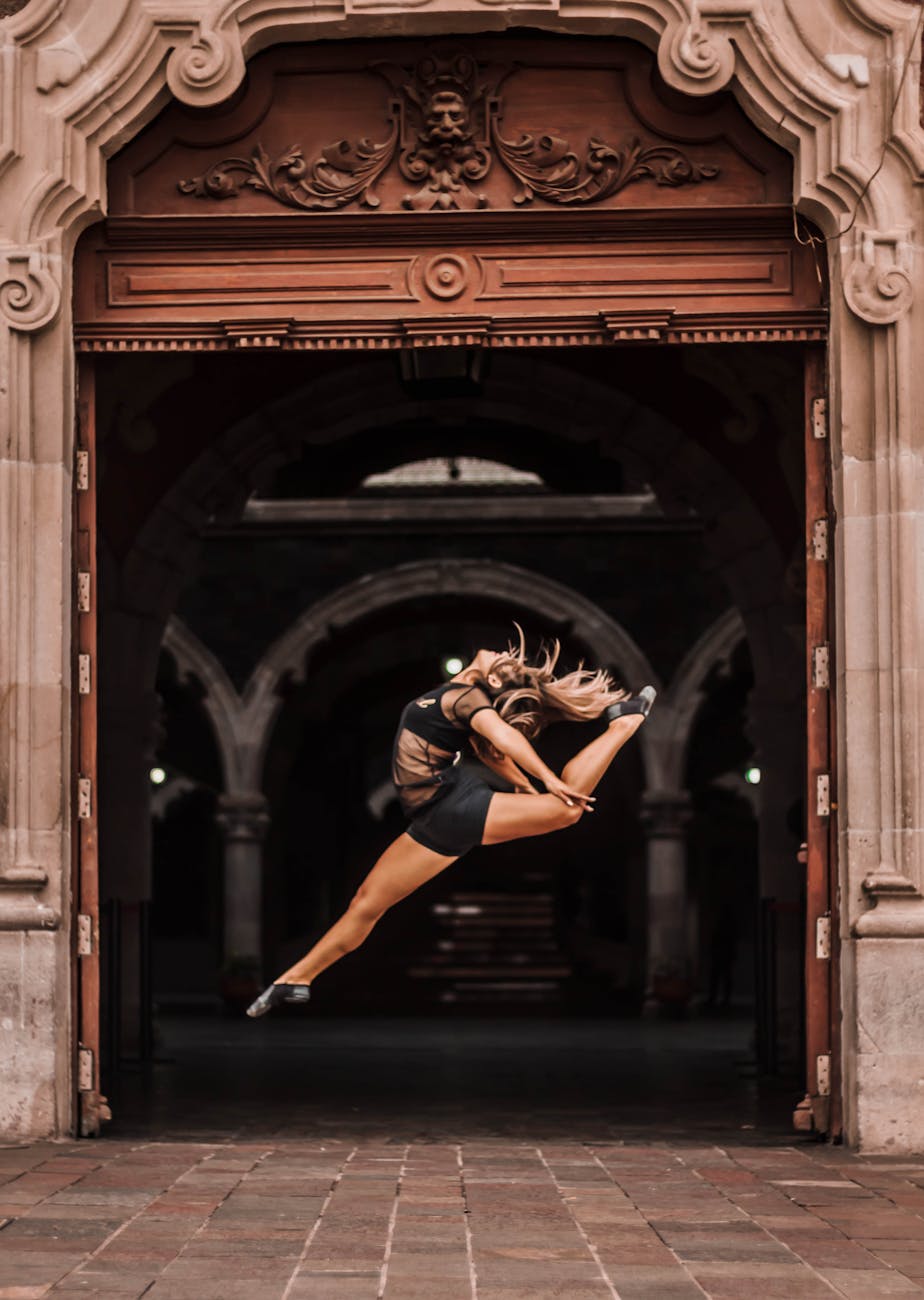
Photo by Luis Gallegos Alvarez on Pexels.com

The universe moves me so I can move others. 

Growing up, my parents put me in every sport imaginable. If my school provided it, I did it. Baseball, basketball, soccer, you name it. And I HATED IT. Running back and forth on the field/court, winning, losing—it all sucked. But there was one sport (yes, it’s a sport. Fight me.) that I actually looked forward to every week, and that was dance. I’ve been dancing since 2 years old. My mom put me in ballet just like every other little girl, and when I tell you I absolutely LIT UP on stage. There are videos of me as a toddler convincing my classmates with stage fright to get on stage and perform. After ballet, I did Irish dance for 7 years. Not my favorite (it was too stiff and strict for me) but I stuck with it so I could take what I learned from class and teach it to my friends at school. At the same time, I did hip hop for 5 years, and that’s where I really started to come to life. I had the most attitude of any 3rd grader on that stage. It inspired me to start choreographing my own dances for me and a couple of my dancer friends to perform and film as part of our own little variety show. Then came tap and jazz class, then musical theater. My love of dance continued through middle school and high school, where I began choreographing for my schools’ musicals. Even in college, I still go back to my middle school to teach kids the dances for their school productions. Every car ride is spent looking out the window, choreographing new dances in my mind. It is a core part of my being. And every step I have taken in my dance journey came with bringing others the joy of dance. It has taken me years to recognize that I was meant to help others move. I live to light up on stage and allow others to do the same. Watching their faces when they finally get a step right that they have been struggling with. Seeing them get excited when they come up with their own choreography and run up to me to show off their new dance. Hearing them telling their parents that their favorite part of rehearsal was dance class. It all makes me feel like I have a place in the world. As Kimerer Lamothe said, “Every movement a human makes animate potentials that them become who that human is—one who made that movement. One who can make that movement again” (Lamothe 127). I was given movement from my teachers from my childhood, and I became the teacher for my friends and students, and they will become teachers for their circle, and on and on. Dance is who I am. It always will be, even if I don’t dance every day anymore. I will never separate that part of me. And that is what I believe I was put on this planet to do. Move others.

The Privatization of Dance: Examining the Dallas Cowboys Cheerleaders

As we discussed sporting bodies, there is an overarching understanding of how factors like race and gender prescribe certain bodies to sports, in which industries and society deem who can and can’t participate. With this, something that continued to infiltrate my mind was the occurrence of the privatization of sports. This can be attributed to the dance industry, which determines who can and can’t participate through various factors such as race, class, sexuality, and gender. A noteworthy example of this could be considered within the Netflix docuseries, “America’s Sweethearts,” about the Dallas Cowboys cheerleaders, which displays how dance is privatized and systemically pushes certain people out while keeping others in. 

In my experience as a competitive dancer, the aspect of having money is one of the largest barriers to becoming a successful dancer. You have to be able to afford the costumes, the shoes, the uniforms, the makeup, and the classes. And if you want to get ahead, you have to be able to afford the private classes and the fees that come along with being on the competitive dance team. Consequently, the dance world is not the most diverse, and there is still a severe lack of effort in considering dancers who don’t fit the mold of able-bodied, white, thin, and wealthy. 

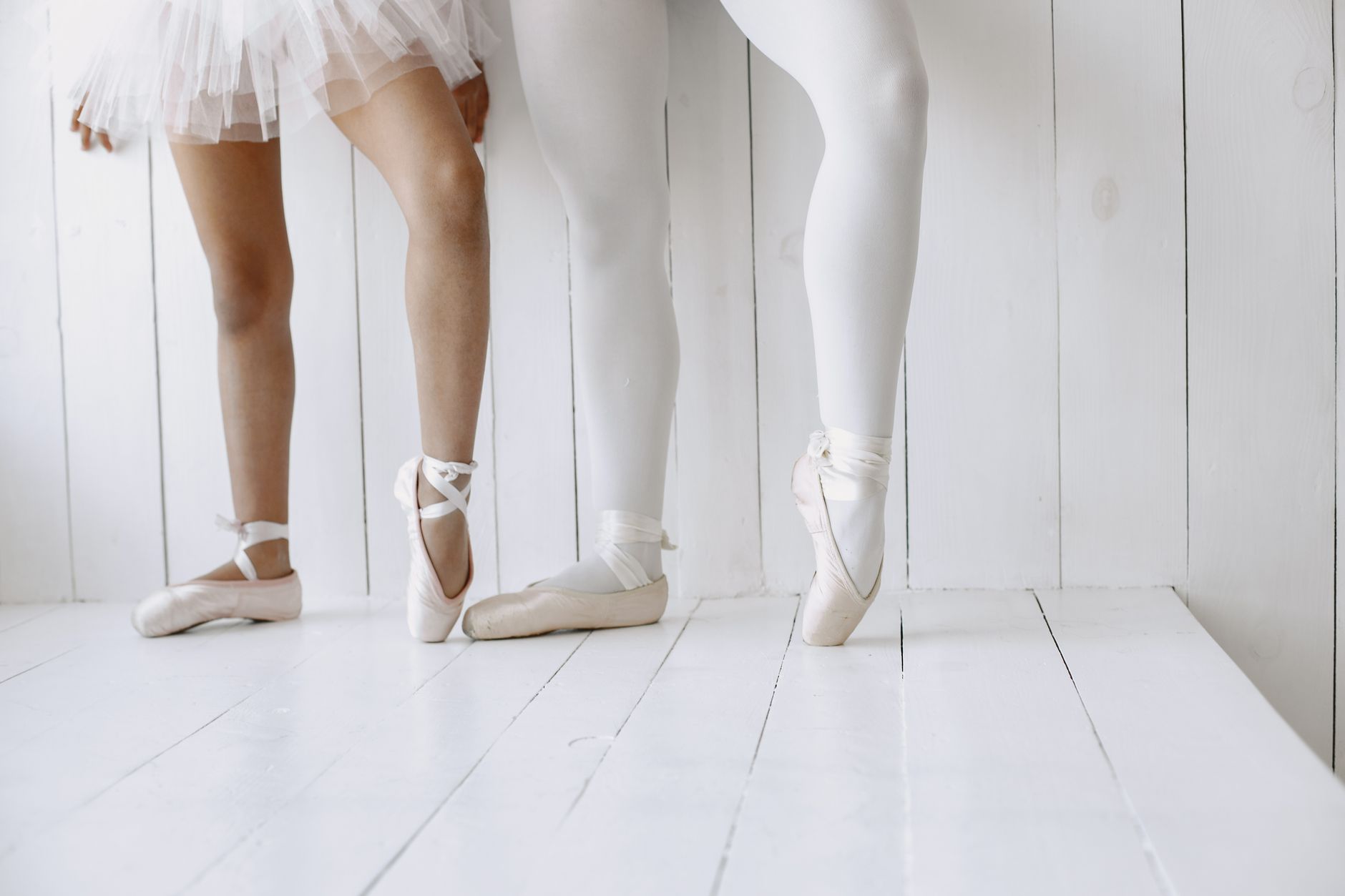
You even see it in “traditional” dance attire. You know those pink tights and pointe shoes that everyone correlates with ballet, even sometimes referencing the color as “ballet pink?” That color is intended to match a dancer’s skin tone, to make their legs appear longer on stage. The problem with this, however, is that not everyone has a pale skin tone. This alone is enough to understand why dance is so privatized—to keep certain people in and certain people out. 

Throughout the Netflix show, the viewers see how these women are expected to be classically trained to a high standard, have the most expensive costumes, have all the necessary equipment to upkeep their hair and makeup, and maintain particularly expensive diets, all for the sake of the chance of auditioning to make the team. Here, it becomes clear that there is an obvious class barrier to getting on the Dallas Cowboys cheerleaders, as all the mentioned aspects cost extensive amounts of money. Of course, this is only further complicated when we think about who is barred from gaining access to wealth. Additionally, the Dallas Cowboys Cheerleaders, in adhering to Eurocentric beauty standards, tend to prioritize thin-white women to upkeep their identity as “America’s Sweethearts.”

Thus, I find that the Netflix series about the Dallas Cowboys Cheerleaders provides a prime example of how dance is privatized. While you might not see it from outside of the dance world, the show gives some insight into how the dance industry has become dominated by wealthy white people. Ultimately, as made clear by this series and the industry as a whole, dance is privatized to avoid being accessible; only certain types of bodies are welcome, and only certain bodies can be seen as “professional” dancers.

The Many Facets of Dance

Dancing is both an art form and a sport. It is one of the few places where the mind body connection is joined and exhibited in a such a way that it can be seen as tangible. There is beauty in watching a piece, its emotions and story, be fully embraced in this more visual way. There is also beauty in being able to commit to the act of dancing, training the body in a way where one can escape the mind and rely solely on the body to perform as it has been practiced. The experience of dancing can be further nuanced depending on the circumstances in which the action is taking place. In the case of dancing competitively, there is the need to have the physical body look and move a particular way and if the situation calls for it a reliance on the team and the desire to feel like a full accepted member for which the utmost requirement, in my experience, has often been felt to be the amount of skill one possesses.  

As someone who has been training in dance since the 1st grade, and allegedly dancing well before then, my experience with the art has been multifaceted. When my skill-level increased to the point of notice to others (around my last year of middle school) I was offered positions to teach a few classes weekly for my dance school. It was during this time that I finally felt the most included by my peers and their parents. Rather than commenting on the shortcomings of any rehearsal, parents would instead exchange niceties. I was able to exchange practice questions and answers with my peers as they began approaching me in a way they had not before. As the chubby, short girl, I was finally able to prove that I belonged in a space that revolved around bodies, despite mine not being of an “acceptable type”. Such dynamics can, in many cases including my own, a dual judgement first from the other players/teammates and their respective communities as well as judgement from the internal self about the internal self which can have long lasting impacts on self-esteem and the mental self.  

The point of team sports like this can and should be to have fun, create community and experience movement in a healthy way. However, in spaces where the emphasis is placed first most on the body and the specific ways in which it moves, it can be difficult for bodies that do not conform to social expectations to achieve the same community experience.

Dance: How it is freeing and restricting

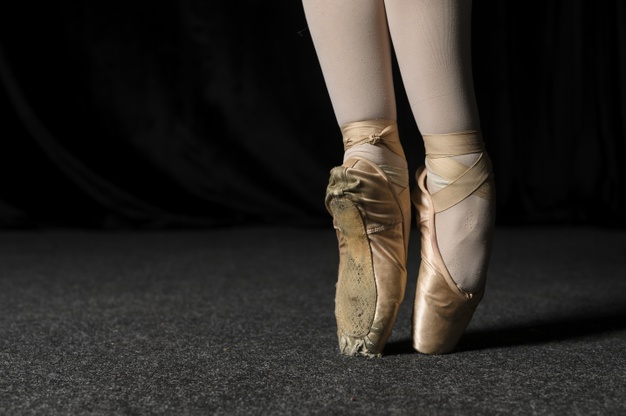
A dancer in pointe shoes en pointe. The pointe shoes are worn.

First we can start with the physicality of it all. Dance, in its traditional ballet form, is an expressive but incredibly restrictive art form. In ballet you body goes through certain fixed movements, there being only about five arm movements in traditional ballet, fluidly. Being en pointe is painful, it pushes you stand taller and stand, literally, on your toes. You get cramps in your feet and legs.

Yet you feel beautiful and graceful

Continue reading

UMBC’s Dance Team Scares Me

I originally went to the dance team’s prep classes as part of a class project. The goal was to go to a club that we’d “never imagine we’d join”. So the former high school football player went to a chess club meeting, the international student went to an election night event, and I – a marching band girl who’d exclusively wear one-piece bathing suits to the beach – went to Dance Team. I went there because they scared me. I saw them at Involvement Fest with their slightly revealing uniforms and their shining confidence. I imagined myself in their position and thought it was ridiculous but a few months later, there I was, in front of the whole Event Center in that same uniform. I was attracted to the feeling of sisterhood.

Continue reading

“Unfortunately you will be placed in the back of formations for our next performance”

Requirements for dancers have changed over time in order for a team to give a top quality performance. Many factors are taken into consideration when put on line-up for a competition. Continue reading

I Know This Pretty (Slutty) Rave Girl…

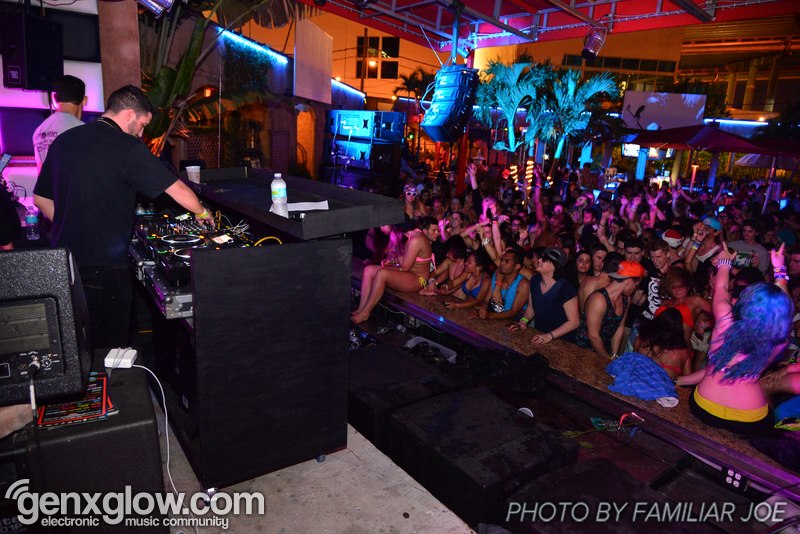
Jamming onstage to Doctor P during Stacked: Miami

Jamming onstage to Doctor P during Stacked: Miami. RIP blue hair.

If you’ve ever heard me talk about my musical interests, you’ll know that I’m a massive basshead. I love everything about the Electronic Dance Music community, from the art of making heartfelt kandi bracelets and the secret handshake used to trade them, to the PLUR (Peace, Love, Unity, and Respect) motto, the flow arts (hula hoop dancing, poi, and flow wand) performances during a show, the ability to walk up to anyone and potentially make a new best friend, to the infectious energy radiating from the crowd. Being introduced to the EDM scene allowed me to express myself with reckless abandon, whether it be through dance, hooping, kandi-making, or interesting costume-like getups. But there’s one thing I don’t love about this community- the amount of slut shaming in response to girls wearing rave outfits that attempt to be both cute and comfortable.

TW: Sexual assault, death mention, slut shaming, drug mention, rape culture

Continue reading