
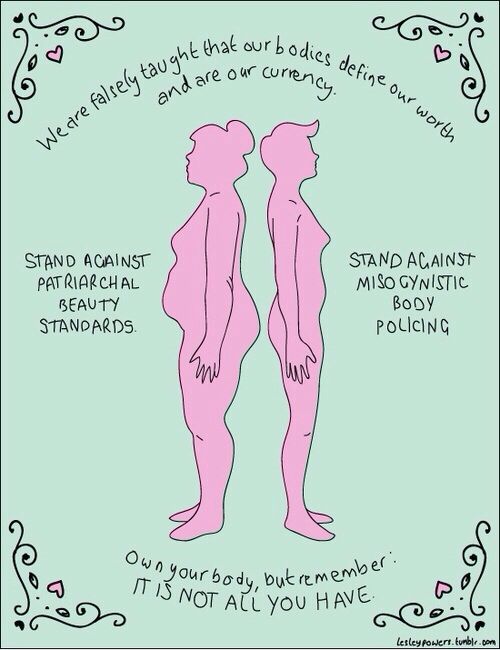
Being born female has always felt like a curse to me. Although I do love presenting femininely, girlhood, and feminism, femininity always felt like an objective that I could never, ever reach. Growing up, I was surrounded by ideals of what a “real woman” should look like and act like, but none of them ever felt like me.
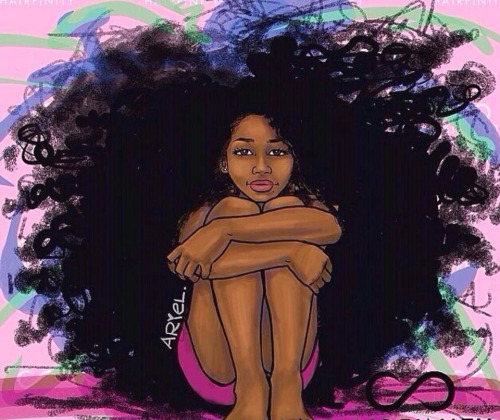
Read more: Femininity, Fluidity, & FaloodasToo often, women & afab people of color, specifically black and brown people, are hyper masculinized by society. Many of us experience gender dysphoria at a young age without even realizing it. In a porn-sick, pedophilic world, we are often told to shave our legs or that we won’t be desirable if we are not petite. We are groomed into believing that compliance with these unrealistic and patriarchal beauty standards is the only way we can be loved or accepted.
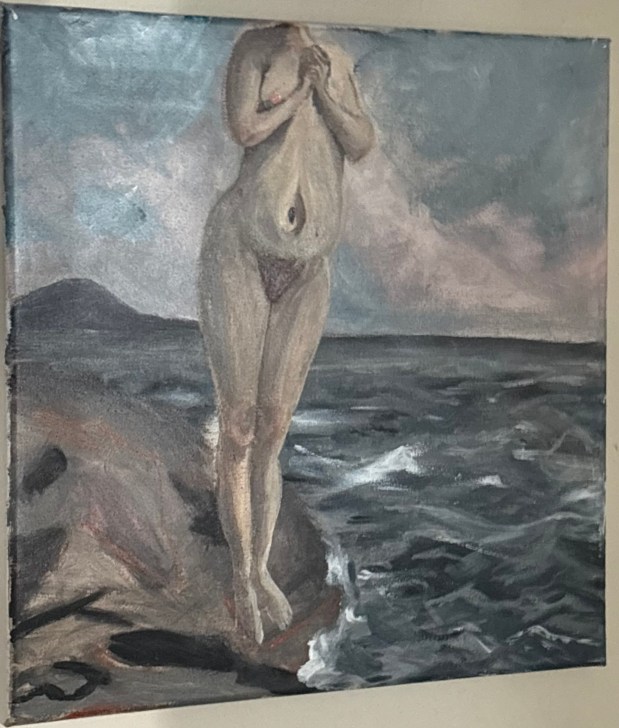
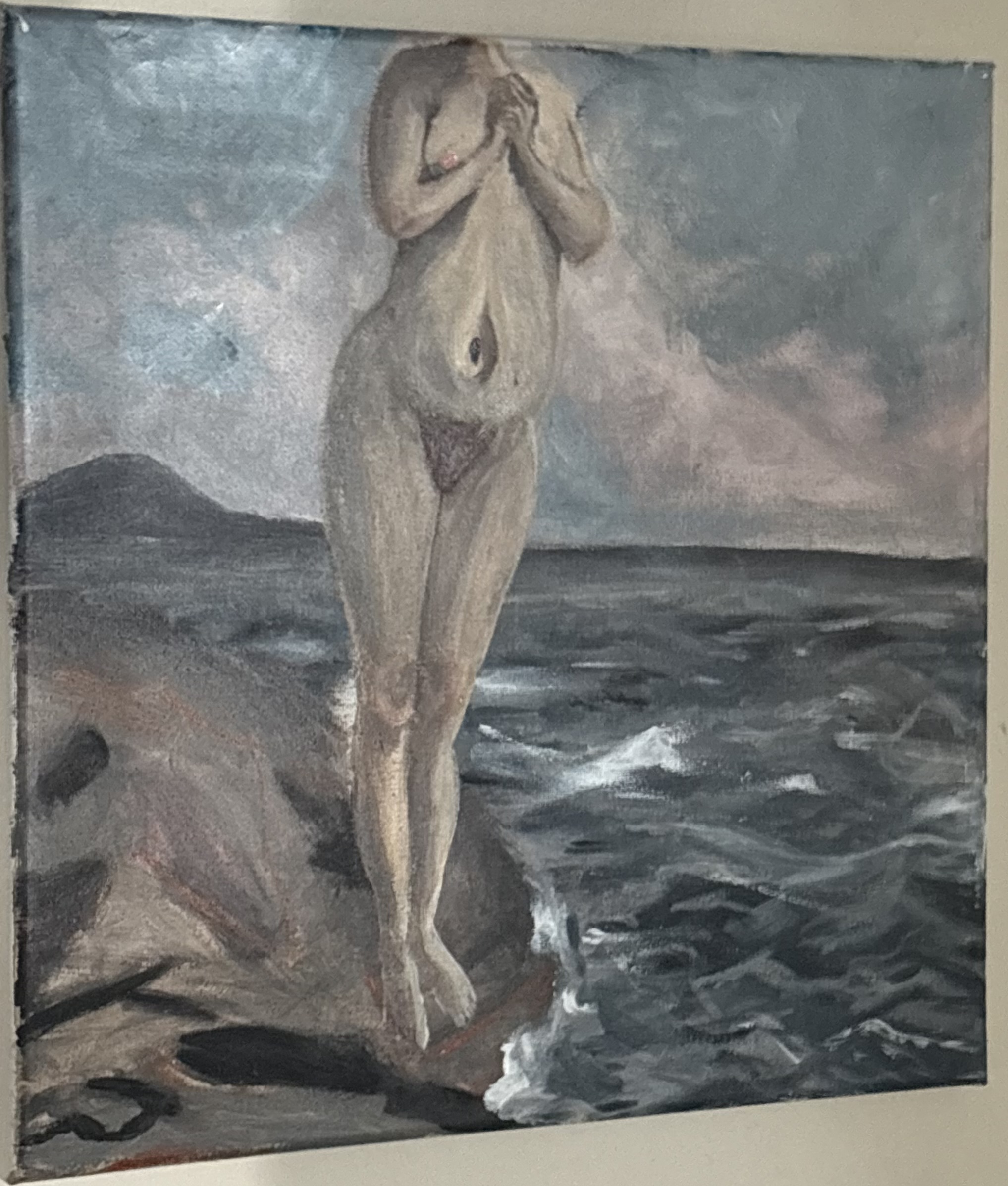
This alienation often made me feel like I was a monster, much like how Stryker compares the trans body to Frankenstein’s monster, where both are labeled as “unnatural” creations rejected by society. Even the most natural and feminine part of myself, body hair, was turned into something to be erased. Body hair, a normal sign of maturity, was made to seem masculine, ugly, and unnatural. That made me feel both “not feminine enough” and “not masculine enough,” even as I came to understand myself as genderfluid. I found myself trapped between two conflicting thoughts: one that punished me for lacking male traits, and another that shamed me for not performing femininity “correctly.”
These beauty standards also erase intersectionality, especially when it comes to South Asian bodies. Generations of colonial trauma, famine, and labor have shaped our bodies in ways that defy Eurocentric ideals. Yet we are still told that our features, our curves, our body hair, and our skin are flaws to be fixed. Our oppressors wound us and then teach us to hate the scars it leaves behind.
For me, reclaiming my gender and my body means rejecting those expectations. Like Stryker’s “transgender rage”, I’ve learned that my frustration can become powerful, where I refuse to be molded by standards that were never made for me. My gender exists in the space between what I was told to be and what I choose to become.

 I’m getting tired of hearing that….
