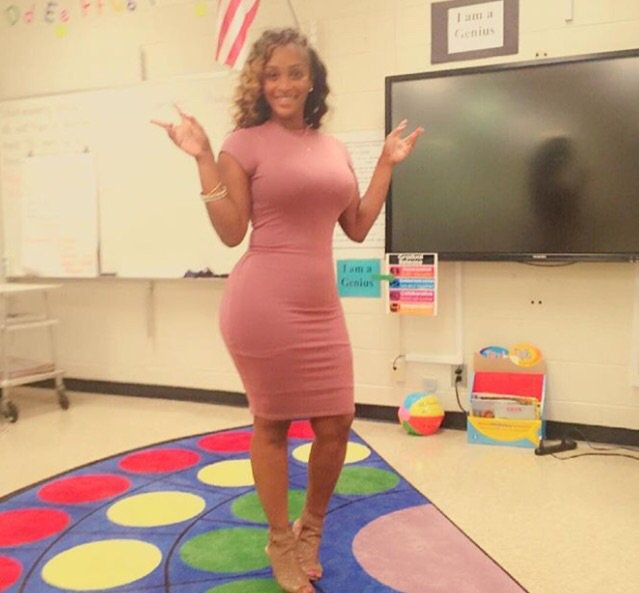
As a Black woman, I feel like I’m always pushing myself to do better whether it’s excelling in school, handling multiple jobs, or meeting life’s demands. But along with all of this, society expects me to stay strong, composed, and, above all, to “look good” no matter the circumstances. “Being Black and Looking Good While Chronically Ill” reminded me of how “looking good” often makes people overlook the emotional struggle behind the polished surface. While I don’t have a chronic illness, I can definitely relate to the pressure of presenting a flawless image for everyone else’s comfort. The burden of “looking good” isn’t just about appearance, it’s about hiding our real selves. We’re expected to show up as perfect versions of ourselves, and anything less risks being judged or dismissed. The emotional toll this takes is real. It’s draining to keep up a facade of strength when, inside, I’m just trying to survive like everyone else. I sometimes wonder: If I let my guard down and show my vulnerable side, will people still see me as capable? Or will they think I’m less valuable because I no longer fit the image they’re comfortable with?
The pressure to always be strong is exhausting. In “You Are Not Entitled to Our Deaths”, the author talks about how society demands marginalized people, especially Black women, to sacrifice their own needs for the comfort of others. This really resonated with me because I’ve felt that exact pressure to hold it all together, no matter how much it costs me. But through these readings, I’m starting to realize that real strength doesn’t mean hiding my true self. It’s about showing both my resilience and vulnerability. Let’s stop pretending to be perfect. True strength lies in embracing both our power and our humanity—because we are enough, exactly as we are. And maybe, just maybe, it’s time to stop pretending for others and start living for ourselves.
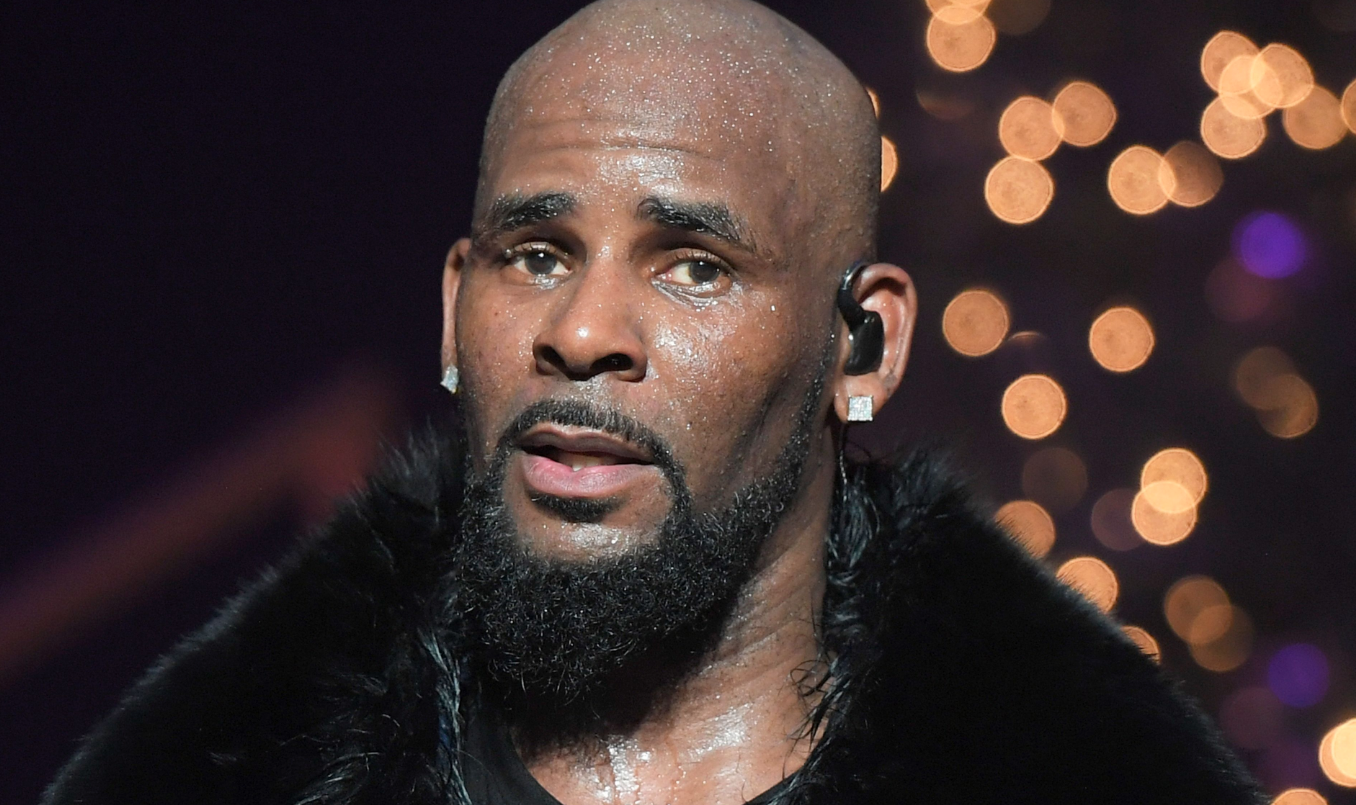 Understanding the complexity of African American politics in today’s conversation of sexual violence is vital as the politics of this community shapes how the group responds to African American public figures (mostly males) committing these acts of violence. Recently the docuseries on the singer/songwriter Robert Kelly known as R.Kelly has revealed information about his past and present that shows he has sexually abused past partners and acted violently towards multiple women. This information is not necessarily new as articles from the 1990’s to the early 2000’s noted that R.Kelly had been depicted Kelly as a sexual predator. In 2008 he had a criminal trial has he was being charged for child pornography but once again slipped through the public’s dismay and remained a loved public figure. This acceptance of people such as Kelly leaves me with deep worry as the women who he assaulted still live in fear and live without justice. Acts of sexual violence such as rape are looked over when the victims are African American women, we see this as the most high profile cases of rape have involved White women though “…approximately 60% of Black girls experience
 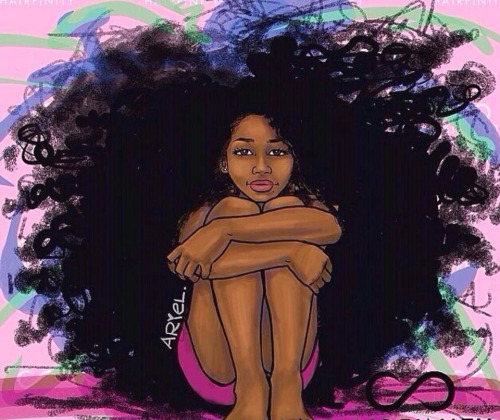 I’m getting tired of hearing that….