Sorry, My Disabilities Are Invisible.

As a child, in old pictures of myself, I had a crooked smile. My bottom jaw would swing out to the right side. Although my smile is usual now, I still must deal with the aftermath of it. One of the many issues I have that make me who I am is my Temporomandibular disorder, which is that the jaw joints and muscles have issues that can affect jaw movement. It changed how I functioned with the world since it impacted my speech. It comes with an array of symptoms that I experience daily, such as extreme pain in the chewing muscles and jaw joint, which is the most common, but the pain does spread to my face, neck, and head. The jaw stiffness causes limited movement, which causes painful clicking, popping, or grating in the jaw joint when opening or closing my mouth, which I call my party trick. Ringing in the ears and hearing loss, for me, starts with an auditory trigger. Dizziness and headaches with light sensitivity happen often. It changes the way my upper and lower teeth fit together. This disorder has many symptoms that can be caused in many ways.

Now, this is a somewhat common issue, and in most cases, it is a short-term issue. For me, it is chronic, so I needed to adjust in my life to avoid my constant pain, which can be debilitating at times. I eat soft foods in small bites; I say that I eat like a baby bird. I must go to physical therapy often. I have tried so many different treatments to help this issue. Still, sadly, this will be a constant issue in my life, which was solidified to me when my physical therapist used the term chronic for me. They believe I need to get more testing to see if I have a joint disorder as well since some of my limbs are hyper-extended, which is why my jaw does not want to stay put. My disorder is a forever thing for me, and since that is the case, I try to joke about it to alleviate the severity of my issue since having a positive mindset is essential.

I deal with these issues the best I can without letting others know for the most part because the person cannot see my problem only if you observe the way I open my mouth. After all, it still swings to the right. Since I do not think it is necessary to disclose that information when I do not need to. I wear sunglasses and do things to help reduce my pain, but some days, the pain is debilitating. I do try to push through, but it can be so disappointing trying to go above and beyond just to be judged in front of a group of people.

For example, my community college photography professors called me out in front of everyone to ask what my deal was because I was staring at the ground, closing my ears, and rubbing my jaw since my ear was ringing and I felt nauseous from dizziness. He was the only person who noticed and brought unwanted attention to me. Once I told him I wasn’t feeling well, he got annoyed, and the rest of the class was awkward. Later in the semester, he took me outside after class to say I was a terrible student ruining the course for everyone else for having different opinions from him and not being respectful to him because sometimes I am looking at the floor. I told him about my disorder, and he was glad I was in pain because he thought I was making an excuse to be rude. It was the first time someone told me they were happy because I was in pain. After that conversation, he kept asking me about my disorder because I do not think he fully believed me. I was in my second year of trying to understand my diagnosis and trying to treat it. That experience was frustrating to have to over-explain myself to a person who controls my grade the rest of that semester I felt uncomfortable.

This is just one of the many issues that make me who I am, and these uncomfortable, weird, and painful experiences make me a resilient person.
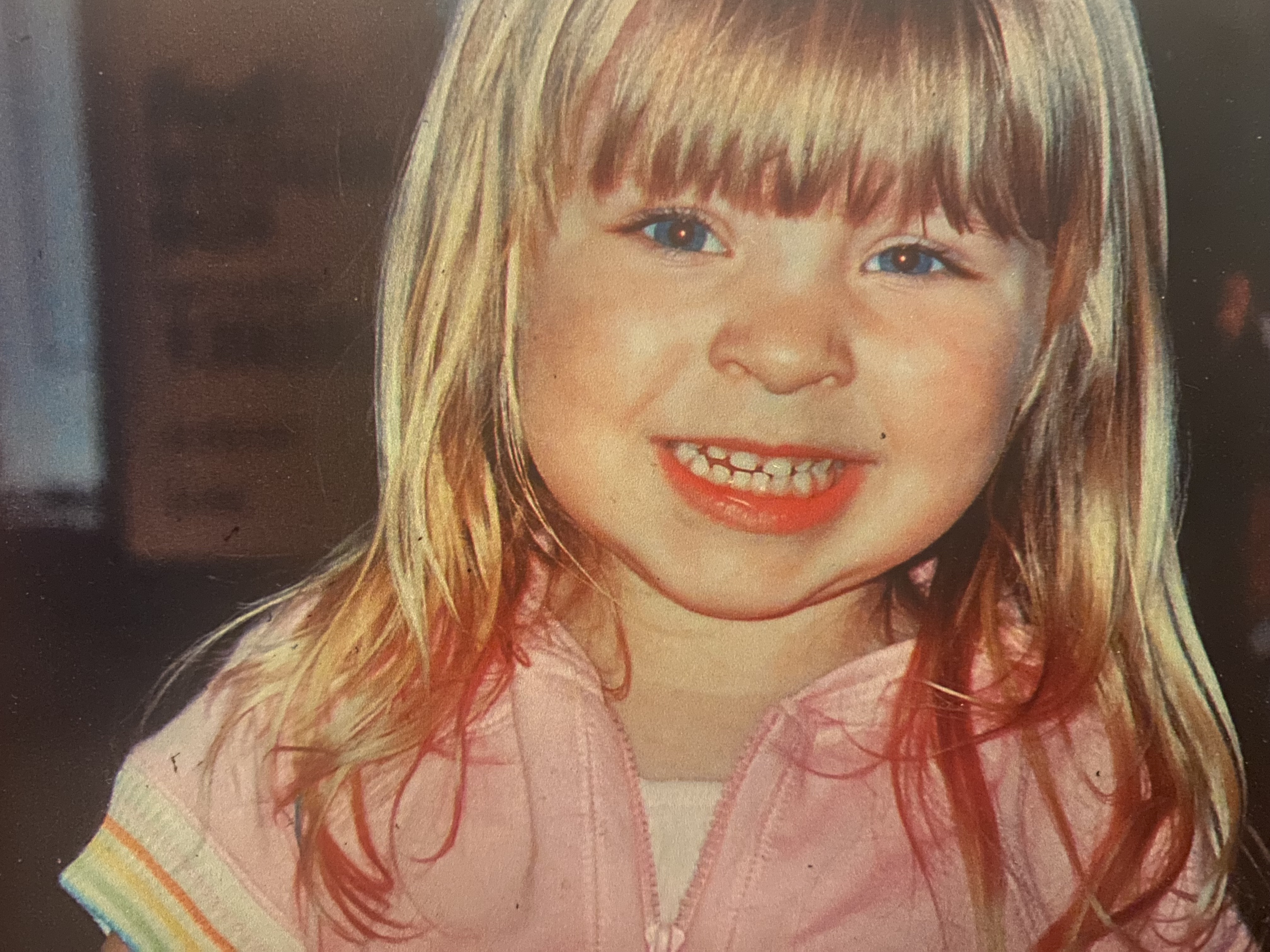
All my teeth touch on the right side but not my left.

Am I lazy?

I often wonder if I am lazy or if there is something wrong with me. I’m in college studying one the hardest majors with the goal to attain a well paying job in that field. However, I have no desire to work at all. I’ve never had a desire to work ever in my life. I would much rather spend my life exploring my interests, deepening my intellect, and connecting with people. Unfortunately, money makes the world go round, and money is an object I cannot do without. Therefore, I’ll graduate with my degree and hopefully obtain a six figure job. 

I absolutely hate the thought of working. I can barely focus on doing homework or studying for longer than 20 minutes, let alone attempting to work for 8 hours straight at my tech job one day. Just thinking about it brings me a little anxiety and mental exhaustion. I don’t want to age prematurely due to the labor my body would harbor due to working. I don’t want my body to deteriorate over a period of time because of the physical and mental stress that comes with having a job. These thoughts have pushed me to not desire work. I often feel inferior because of this desire, because I feel useless in a sense. 

We live in a society where “hard” work is glamorized. We are basically taught that working hard is what we are meant to do as human beings and that anyone who doesn’t work hard is lazy and will amount to nothing. I would like to think that maybe society glamorizes work that is simply too much for the capacity of the average human being, but on the other hand, I wonder if I’m making excuses for myself. 

I carry the emotional and mental labor of inferiority because of this desire not to work. My peers have aspirations to do big things such as owning businesses, making a lot of money, or climbing the corporate ladder. Meanwhile, I’d rather just exist. 

My Mom (& her BMI)

Keto,
Maybe that’ll help
Paleo,
Couldn’t hurt to try
So many failed attempts
To lower her BMI
How can I tell her, 
That a number 
It doesn’t define her!

The scale, the scale
What does it say?
FAT, it says 
But in numbers, 
It judges.
Why must we care 
What a metal box 
Has to say?!
Why do we care
About the numbers
At the end of the day?!
The world says
Those numbers matter
The world says
Those numbers decide 
They have more say
Than we do,
In our own lives

It shatters my heart
The look on her face
As we snack on chocolates 
While she eats ice chips
Sugar-free,
Fat-free,
And low-carb
That’s her life

My BMI, 
That number
It’s way too high
UGH
How can I tell her
That number is futile
Tell me now,
Does the BMI know
Of the babies 
You’ve born?!
Does the BMI know 
Of the PPD 
You’ve overthrown?!

A number cannot measure beauty
So why,
Why does it bring tears to your eyes?
A number cannot measure beauty
So why,
Why must the matter 
Overwhelm your mind?
I tell you you’re perfect;
But my words
They are fruitless,
It is only numbers
That get through to you,
The same numbers,
That judge you

The classic “What did she do to deserve it?” *insert eye roll*

TW: Rape culture

When Sexyy Red’s sex tape was leaked, to say I was disgusted with the response of the internet is an understatement. Sexyy Red is a female rapper whose lyrics and social media usually center around topics of sex and have a sexual nature. Now to me, this is not outlandish, women have been making sexual music for forever.; Men AND women have made sexual music for forever. 

When a video of Sexyy Red having sex with a partner was leaked, WITHOUT HER CONSENT, the comments and reactions from the internet were absolutely disgusting. Comments were made about her body and her “performance” in the video. I wasn’t surprised at the fact that comments like this were made, I was surprised and taken aback at the way these comments were made as if she deserved to have a video of her having sex released, without her consent, because she makes sexual music. I was also taken aback by people on the internet feeling entitled to make crude comments about her body and what she decides to do with her sexual partners. Specifically, people were referring to the lyrics in Sexyy Red’s Poundtown “My coochie pink, My bootyhole brown” to make comments about how she was lying about the color of her genitalia when obviously we all know what she was talking about. 

These are the kinds of incidents that continue to perpetuate rape culture. A man leaks a video of him having sexual intercourse with a popular female rapper without her consent and because there is this hate towards women, especially black women, she is offered no protection and he is not condemned for his actions. In fact, he is encouraged because she “deserves” for that to happen to her because she portrays herself as sexual in her music.; The classic “what did she do to deserve it?” *insert eye roll*

Though I am not surprised at something like this happening, it is still exhausting seeing misogyny/misogynoir operate clearly. It is a reminder of how much work really needs to be done on so many levels and scales to uproot, challenge, and dismantle misogyny/misogynoir.

Enduring Motherhood

Link to Video: https://www.youtube.com/watch?v=ibg2FyHET1c&ab_channel=11Alive

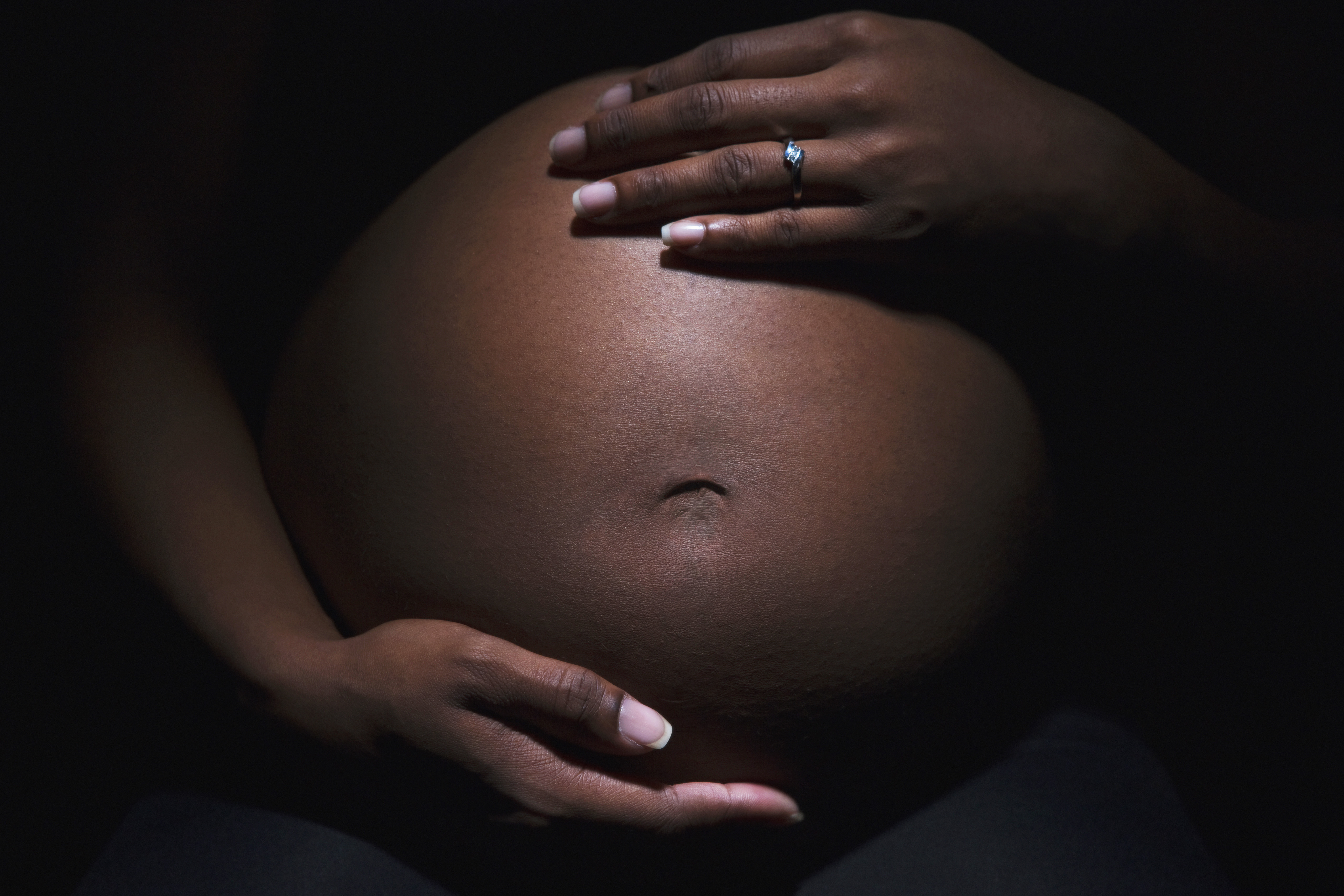
Bodies, when in labor, women begin to start with those agonizing contractions, the pain that a woman feels during childbirth is astonishing to me. How can a body tolerate so much pain to bring out new life into the world? The pain can be so overwhelming to the point where you need to have an epidural to at least rest and have energy for when you start the pushing process. When you are giving birth, maybe you can naturally push your child out but in other times if you are unable to you need an emergency C-section. Most times after a woman is done giving birth, she may have complications, such as high blood pressure, loss of blood, etc. But what if doctors choose to show negligence towards these mothers? What if they were a Black mother? After the documentary we watched, my eyes were open to the unequal treatment being given towards Black mother while giving birth, we saw with great sadness the passing of these mothers who could have been treated and cared for their complications right away. But it was the healthcare system and medical workers that had failed them. After watching this documentary and learning more about the maternal health system towards Black women, I began to do some research. I began watching videos of any other Black mother who was going through the same thing or experience. Black women are 3 times more likely to die from complications during birth because of the lack of care from medical staff. I have shared a link to the video so no one is confused lol. Brittnay Alverson, a mother of now four describes her traumatic experience being in the delivery room. Alverson’s main reason for her feeling traumatize was one thing that stood out to me the most, “I didn’t know how to advocate to myself and I was expecting those (medical professionals) to do the right thing.” This woman put her trust into these medical workers who ended up not caring for her in a dire moment. Alverson when in the delivery room was in labor for 5 hours and had ongoing contractions. On top of that she had passed a blood clot (which is something very terrifying to go through when giving birth) where no doctor had come to check up on her about that complication. It was only that after she had started the delivery process that medical doctors rushed in to help, although her birth was successful, the after birth was a turmoil. She began to see “tv static,” as she described it till she saw black. Turns out that during that evening she was supposed to get a blood transfusion, and as always it wasn’t until after that the doctor actually provided medical assistance for it to be done. What’s even worse about this case is that Alverson’s doctor forgot to sign off the medical forms which ultimately led her to wait 12 grueling hours until she was able to get that procedure. Alverson states that she wasn’t able to hold her baby, change her diapers, she couldn’t even bathe. After this transfusion, the doctor never saw her again and didn’t bother to ask her how she was feeling after the transfusion. Thankfully this mother is well again also having her fifth child, but she was able to have a Black OBGYN and that doctor was able to take care of her, be patient and slow with the process and overall not be negligent with her patient. Seeing that this is a sadly normal thing to happen towards Black women pinched a nerve. I was angry at the racial disparities that were happening in a place where health should be the number one priority, not race. I was upset at the health care system for failing the lives of many Black women that had to endure the pain that they always advocate for. Doctors should be able to provide full care to a woman giving birth no matter what race they are, no matter the circumstances. 

I am Capable of Doing Work

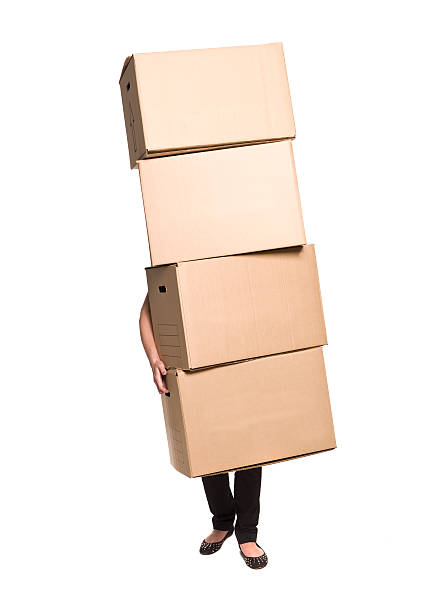
Woman with four boxes isolated on white

Since middle school, my body has been subjected to various types of work. When I was about 11, my parents started their own wholesale distribution company. They would order items from overseas and deliver them to different stores throughout the DMV. They felt that this routine was not enough to support our family so they began to sell their products at local flea markets on the weekends. When I was finally old enough, my parents brought me along with them to help out. The first time that I worked with them was arduous. We left for our local flea market at 3 AM because my parents wanted to get the best spaces. We slept in the car until about 5 AM, when it was time to set up our “shop.” I helped my parents unload the box truck, moving banana boxes that were filled with random items from their company. I was on my feet and talking to customers all day. We started to pack up around 1 PM, where we had to put all of the items back onto the truck one by one. When I got home all I could do was lay down and the next day, everywhere on my body felt sore. I have continued this routine every weekend, whether it is raining, snowing, or 95 degrees outside. This has affected both my mental and physical health. Having to forgo weekend plans that my friends make or talking to rude customers leads this work to be emotional labor for me. As Hochschild describes it, emotional labor is work that involves evoking and suppressing feelings. When I work with my parents, I feel mentally and physically drained. My body has adapted to strenuous activity but I still feel worn out every time I come home from work.

This routine has led me to not only dread the weekends but to wonder what my body would look or feel like if I did not engage in physical labor. When I look at myself, I do not see the “petite” and “small” girl that I am often described as. Instead I see someone able to lift heavy boxes and be on their feet for countless hours, propelled by many years of experience in physical labor. I am still unsure of which one I prefer. Society condemns those who are not stick-thin but part of me wants to overcome the stereotype that girls are weak. As mentioned in Slavishak’s “Made by the Work,” bodies are often symbols. Bodies that are bigger or muscular are seen as tough, strong, and capable of work. Whereas bodies that are small and non-muscular are seen as frail and not meant for physical labor. On first look, anyone would assume that I am the latter but in reality I am capable of doing work.

Your Body is Never Good Enough

Your Body is Never Good Enough

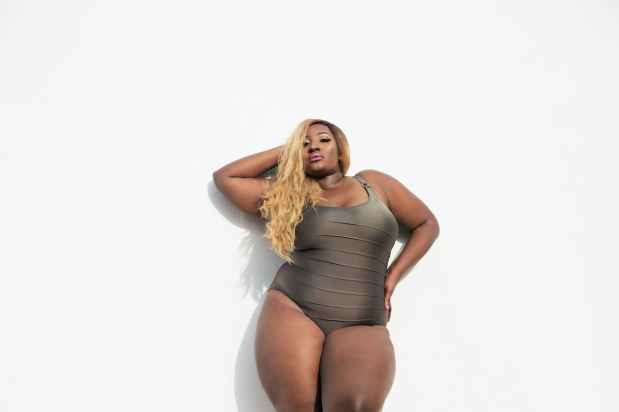
In class, we were talking about how social media creates body standards. However, I kept thinking about how my social media wants you to be big in the right places. I see social media rewards bigger people who collect fat in their thighs, butt, and chest. It simultaneously punishes people who contain fat anywhere else. I, myself, only go to the gym to build the body I want, not for health and definitely not because it makes me happy. I see this in conversations with my friends. Everyone wants a bigger butt and a smaller stomach. I see it in how clothes are made today. Certain clothes that are stretchier in the butt and tighter in the waist to force an hourglass figure. There is so much emphasis placed on having a curvy figure, and it does not look as nice if you don’t have that figure. I see it in models promoting different things and celebrities that people admire. It seems like they all have BBL bodies. BBL stands for Brazilian Butt Lift when a plastic surgeon takes the fat from your midsection and puts it in your butt. All celebrities have plastic surgery, but it shapes the body expectations of those without. Some celebrities, like Lizzo, promote body positivity, but she does not exist in a vacuum. Many try to shame her for who she is, and although it speaks volumes when she ignores them, it continues to be herself; sometimes, other voices are louder.

So just to recap, you must have a big chest, a big butt, and a tiny waist, all while being under 150lbs. If you work out in the gym to build this body, you will be muscular, which isn’t feminine. If you get plastic surgery, you lose because you paid money to change your body. All in all, you can’t win.

My experience with weight loss

Trigger warning: Eating disorders

When I was 10 my doctor at the time yelled at me and made me cry for not losing weight. That’s when I remember starting to look at health as being skinny and losing weight as a need. 

The next doctor I went to also said I needed to lose weight. So, when I was old enough 12 or 13 my doctor recommended I do Weight Watchers with my mom. The idea being I just needed to become more aware of what I was eating and that would help with my weight. We had x amount of points and every food was associated with a point value. My mom was so into it, we would get the cookbooks and the special low point foods, keep track of our weight at home and attend every meeting. 

From the outside it would seem like a good idea, not a diet just looking closely at what you ate and making sure to balance it, and the meeting should be there to hold you accountable. But there was a more insidious side, tracking led to bargaining: “I’ll skip on this so I can indulge later.” And the meetings became commiserating about being overweight and pushing the idea of how much better life is being skinny or how much better it would get if we lost weight. 

From a young age I found my self image turning into self hate and a need to be skinny. By high school I quit WW not because I realized the negative effects, but because it was too hard to maintain. But the ideas stuck with me that my life would be better if I was skinnier (I wasn’t even that overweight), that it didn’t matter when I ate just how much in a day, and that health was just based on the body. I wanted to be like my stickbug friends and classmates. One of the saddest memories I have from high school is how I slowly and secretly started to develop negative eating habits. I would bring just oranges to school for lunch because in the WW version I did they were 0 points so in my mind I could eat as many as I wanted without gaining weight.

I wouldn’t eat breakfast and I would bring 8 of the small oranges or cuties to school and just eat that for lunch, then when I got home I would have an entire TV dinner and for dinner I would eat as much as I possibly could, often going past fullness. All my friends saw were the oranges and they commented “wow you’re so healthy” and those comments made me go further, only eating oranges some days. I was so depressed, I never lost weight and I always felt weak. I was involved in sports and some days I felt like I was going to faint because I wasn’t eating. But I hid all this from my parents. They only ever saw what I ate for dinner so I would lie and say I already ate or that I hadn’t eaten if I ate a concerning amount at once. I wasn’t losing or gaining weight, so no one ever saw how much I was suffering. It began to feel normal: if I don’t eat all day then it doesn’t matter what I have when I do eat. I’m still not fully over it, having a meal plan in college helped because I wanted to get a meal every meal period. It wasn’t until listening to the Weight Watchers episode of the podcast Maintenance Phase that I remembered just how bad Weight Watchers had been for me and I started to remember all of those aspects that hurt me and shaped my young mind. There is no happy ending. I still find myself starving through the day and binge eating at night, but at least I’m aware that it’s something I need to work on.

The Art of Finding Something to Eat

trigger warning // slight mention of disordered eating and beliefs that stem from it

If I walked outside right now to get something to eat, I’m either going to be shelling over 20 dollars just to sit down at a restaurant and tip enough to hopefully make sure that server makes a livable amount by the end of the day, or I’d have to shut off my morals and go to the nearest McDonalds and convince myself that my Oreo McFlurry and fries were worth contributing to the company handing out Happy Meals to Israeli soldiers.

If I went to the grocery store and stood in front of the milk section, I’m going to have to consider whether the stomach ache from the milk you get here in the US that isn’t even ethically obtained or sustainably produced is worth saving the money that I’d have to spend on a plant – based substitute like oat milk.

If I make vegetarian food, people will always ask if what I’m eating really is enough for me and if my protein intake is any good when eating meat is their cultural practice while eating vegetarian is my own. Besides, even if I ate meat here, how could I when the industry engages in so many acts of animal cruelty and processes it to the point of no return?

If I decided that I’m going to cook for the rest of the week, I’m going to have to spend all night meal prepping on Sundays after work, and that’s only if I manage to have the energy to do anything besides eat my free food from my job and collapse into bed, not ready to do it all again another week with less willpower to keep going as the weather gets colder.

If I decide to eat to my hearts content, I’m going to have to work it off in some way so I don’t feel disgusting for eating however much my body needed.

If I walk into my kitchen, I’m hit with so many choices that I have to make my peace with before I can even decide what to put on my plate. When simply eating food has become such a complex issue, one of our basic needs as humans, that’s how you know our society has messed up our perception of what we need to live.

Desirability is Not a Safe Space but Everybody Wants a Spot

This is pretty long. I started this last week but it took forever for me to get out completely so I’m going to try again today. All capitalization is intentional.

The title of this post is inspired by a tweet I read from Dr. Zalika U. Ibaorimi a few years ago which said “Desirability is not a safe space”. This is one of the most memorable statements that I’ve read regarding desirability. It is such a short sentence but one that made question what I had learned regarding the subject before reading that tweet.

Before then, I understood the politics of desire/Desirability to mean that those deemed desirable (thin, light skin or white, loose hair, able bodied, muscular, etc.) were safer from poverty, harassment, violence, abuse, and more. This was also reinforced by my understanding of a related concept: the libidinal economy. In the same way that the political economy is about the exchange of materials and decisions on their worth and value based on how much capital one can accumulate from it, the libidinal (related to libido) economy is about the exchange and valuation of desires, fears, pleasures, and enjoyments. It is also about consumption both violent and enjoyable. One can accumulate more fears than desires compared to another based on their embodiment. And such accumulation of either desire or aversion reflects in how, when or if others choose to act on a person’s behalf or violently against it.

Now, what I knew about desirability is not wrong because if those who are undesirable, or Ugly as Da’Shaun Harrison often writes, have less access to housing, fair employment, “health” and security. They are overrepresented as victims of state violence and in prisons. But it honestly is not so simple and this is something I am still trying to understand. “Desirability is not a safe space” does not just mean that skinny girls can be insecure about their bodies too but that desire does not mean care or love is present. When I named all of the things that undesirable people lack access to, I did not say care or love. Although I believe that people that are fat and or darkskin for example are denied love, care, affection and intimacy from many (maybe most?) because of antifatness and antiBlack colorism, I’m not sure this means that those are what thin, lighter skin people are finding in all relationships because they are desirable. This is seen whenever a Beautiful celebrity woman is publicly cheated on by her male partner an overwhelming response from the general public is “How could you cheat on [enter literally so many women’s names lmao] !????”

But I don’t want to just focus on Desirable people because even people who are Ugly still experience desire from other subjects or people. So often I have seen or heard fat people attempt to use desire as a reason why they are still valuable and worthy as a person. If I had a dollar for every time I’ve heard a fat woman say “I may be fat but I still get fucked” or something along those lines… Desire is nothing more than a strong feeling of want. A strong corporeal want. Ugly people are not devoid of attraction, seduction, lust, or sexiness but none of those things translate to love and care. Love is a manifestation of continuous intentional support and care not just a feeling and not someone wanting to have sex with you. And on the other side there are people believing that Ugly people should be grateful to get fucked or be in relationships because why would anyone want them anyway? All this does is deny the very real and material issues that Ugly people face because of Desirability.

This came to mind when we watched the Aftershock documentary in class last week. That film was so hard to watch because I could only think of the amount of Black women who did not have men like those featured who loved and cared for their partners to fight for and with them despite the violence they experienced through lack of care from medical systems. Seeing a dark skin, Ugly (please don’t take this as me saying she wasn’t beautiful, I mean socio-politically. But maybe it’s not my place to say that so I’m willing to be wrong here) woman have a safe labor surrounded by people who prioritized her wellbeing and the safety of her baby was one of the most beautiful things I have seen because I know how easy it would be for a woman like to her have a completely different experience.

Despite the reality of Desirability not translating to love and care, so many of us still want a piece of the Desirability pie. Not too big of a slice though.

Why do we work so hard to lighten our skin or lose weight or straighten our hair or contour our noses or be sexy when we are still going to experience violence? So much of desirability is performance and we do all we can to put on a great show.

I’m using the song below and these lyrics specifically as a soundtrack to this post because it is true that these women or people who are deemed more Desirable often do get the “soft life” compared to the reality of so many Black women but what are we fighting to have their life for? In this (libidinal) economy??

“Tired of seeing all these
All these (All these)
Spanish and these white bitches
Living they soft life
With they feet kicked up
And they glass in hand
Bills is paid, thanks to the man” —Summer Walker, “Hardlife”