In the Trenches

United in Anger and the AIDS movement taught me important lessons about civil disobedience. One of the most powerful lines in the film was when an individual with AIDS said that they may not be able to fight the disease, but they can fight the system. “As long as I can physically function and physically fight, that’s what I’m going to do” (United in Anger). These words in the film inspire me to become more active in politics. In high school, I was passionate about politics… but COVID-19 slowly sucked the life out of me and I lost my drive. United in Anger reminded me that change can be possible, and also informed me about the ways in which movements can be organized and successful. I found one person’s motto impactful- they said that if you act up, you get impact. This encapsulates how making “the powers at be” uncomfortable, you can “interfere” with “business as usual.” I really appreciate the weight behind these words.  

Read more: In the Trenches

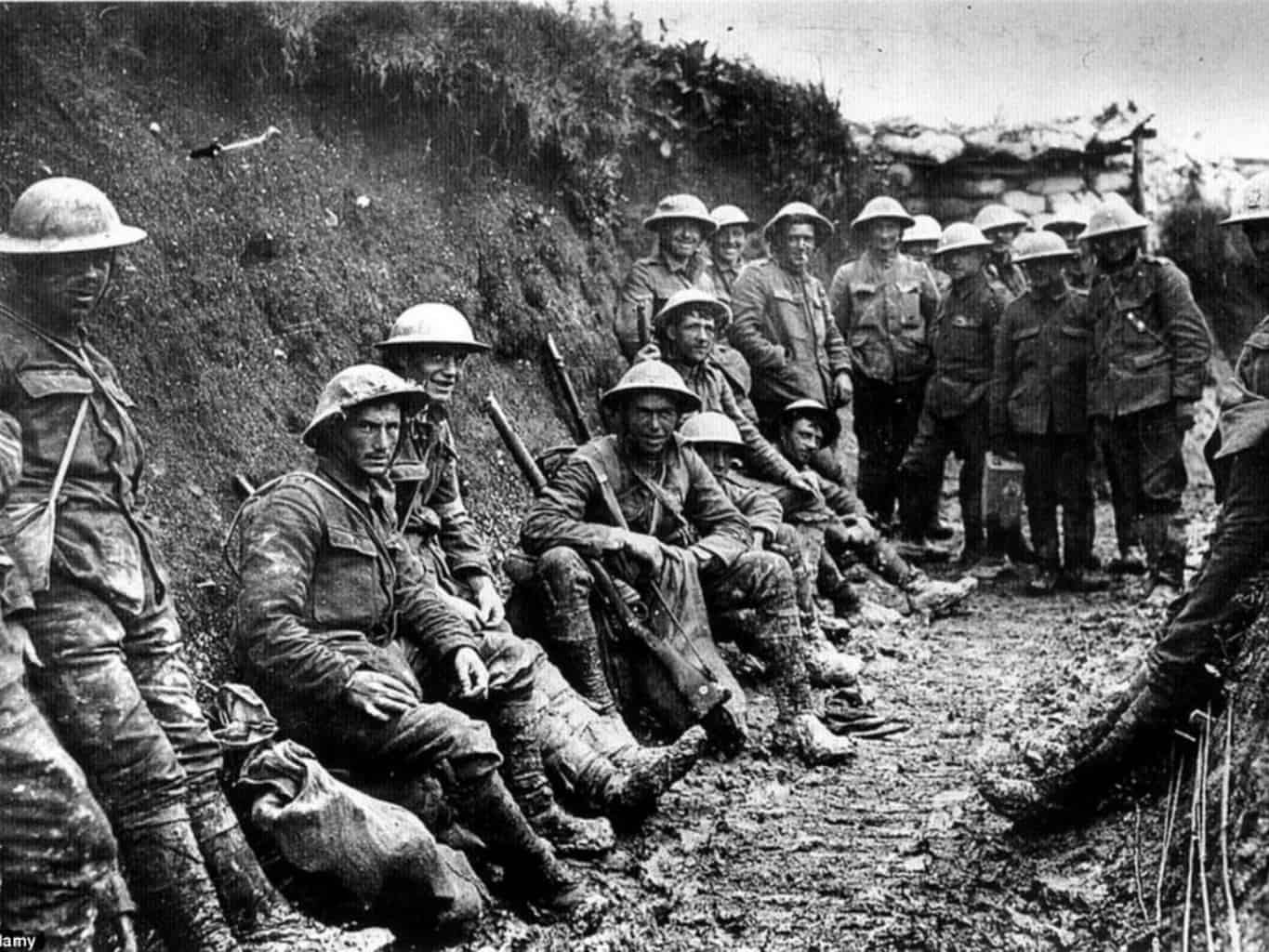
It was also interesting to learn about how ACT UP was “sculpting” the narrative in the media by putting locals in all areas of the country to give their perspective. ACT UP did not want the media to continue using “specific language” to describe people with AIDS, so they represented themselves. There was an individual in the film that compared being impacted by AIDS to being in “the trenches,” because the “war is only happening to those in the trenches” and no one else knows (or is paying attention to) what is happening. ACT UP also used affinity groups to strengthen its community. This reminds me of my peer support group and makes me realize how important it is to gather with like-minded people who have been through similar struggles. 

It was disgusting, disheartening, and shocking (at least to me; I had little prior knowledge of the fight for AIDS care) to learn that there were propositions to have those with AIDS quarantined or get tattoos in order to identify themselves. This is obviously reminiscent of the treatment of individuals who were Jewish, of color, queer, or with disabilities by the Nazis. Unfortunately, there are traces of this bigotry and ideology throughout the United States. 
A Modicum of Power, Respect, and Autonomy

Within the strictly imposed, purposeful, and artificially manufactured hierarchy of our society, the term ‘power’ consists of numerous meanings. The first definition that most think of is how, in many settings, power is about dominance, control, authority, and oppression. It is a matter of commanding people how to act, what to look like, and where to place one’s body. This is presumably the type of power that most incites the oppressor or the privileged to fear any semblance of gain from oppressed groups, as one’s acquisition of power is identified as something that only happens at the detriment of another’s. It is as though some are terrified that they will be unable to impart shame, terror, disdain, or indifference if those they subject to such tools of oppression and control have enough power to refute their efforts. When someone places themselves wherever they choose, exists in a body that defies social norms, or performs actions that are implicitly or explicitly forbidden without politely carrying the emotional or cognitive burdens for others’ comfort, the power dynamic experiences a significant shift.

Perhaps this view of power, as if it is a finite resource, is why our society so carefully enforces arbitrary rules and prioritizes those who can embody them. One can see this when Roxanne Gay is shouted at by a stranger who feels entitled to comment on her body, when civil rights protesters are subjected to horrific violence for challenging atrocious laws and attitudes, when the demands of disabled protestors to attend the activities of everyday life are ignored, and when incarcerated people are forced into appalling conditions. The same message applies: if we cannot control every aspect of your physical being, we will at least attempt to control our view or knowledge of your presence. 

In parallel, power can be regained by the supposedly powerless in many ways, such as when one reclaims one’s autonomy and refuses to accept, either internally or externally, the disrespect one has been bestowed. What is power, if not the presence of respect? What is power, if not autonomy over oneself, and even over others? Power is in the ability to go on with one’s day without being harassed and criticized; it is in the circumstances that allow one to move about the world freely, without social or physical barriers; and it is wholly anchored in the presumedly simple concept of peacefully living one’s life however one chooses. Why should one not have the opportunity and ability to determine one’s own life as much as possible in one’s circumstances, with as few barriers as possible? One should further ask oneself, why is seeking oppressive power over others normative and incentivized, yet the simple request of wanting to be seen and treated as human is consistently dismissed as grossly idealistic?

Video Games, Representation, and Disability: What is Empowerment?

As a person who is considered disabled in mainstream American society, video games have become a way for me to escape feelings of marginalization and feel powerful. More specifically, Western role-playing video games that allow the player to design what their character will look like, as well as the specific attributes they will have, are a very effective escape from the marginalization I often feel as a woman of color who is considered disabled. The player character also becomes very physically and politically powerful over the course of the game and has a significant amount of control over the world around them, contributing to my feelings of empowerment.

Continue reading

I Need You To Survive

16358-oIn this world there are good guys , and there are bad guys. That’s what the movies  and television shows tell us. There is always a hero! Then reality hits. Sometimes there are no happy endings , just fewer villains. When watching these heroic figures on TV , you’ll see them having trouble defeating the biggest “bad guy ” in the world. Then the writers like to throw in a twist. Just when you thought the evil side has been defeated. They come back stronger than ever! Continue reading

Split Second

Change happens very slowly. You can feel it weighing down on you overtime.

It squeezes you until you can’t take deep breaths anymore. It’s a white entity that gets heavier and heavier until you feel suffocated and start seeing flashing lights. It’s a gloomy creature that rests on your neck and crushes your vocal chords, until your voice crackles and then disappears.

When you least expect it, your eyes lose their shimmer and are replaced by glass with no reflection.

Change happens slowly. But I saw someone change before me in a matter of seconds. Continue reading