
My body hates me
This thought… plagues me
Day in, Day out.
pain
What Were You Wearing
“I was seven,
Wearing play clothes,
When he decided,
I was his experiment
I was seven,
Playing in my home,
When he decided to
Claim my innocence”
“I was eight,
Wearing a black shirt,
And pj pants with pink stars
When it all started
I was eight,
In the trusting lap
Of my uncle,
Too young to question,
Too young to debate”
“I was three,
Or possibly five,
When it became,
A monthly encounter,
I think I was three,
Sometimes in a sundress,
Others in pajamas,
When he decided
He had the right to me”
This poem was inspired by an exhibit called What Were You Wearing. The title of the exhibit is a question commonly asked to victims of rape/sexual assault, implying that what happened to them was somehow their own fault. The exhibit proves that clothing is irrelevant when it comes to sexual assault, and that we should stop victim-blaming by asking this question.
Bedroom.
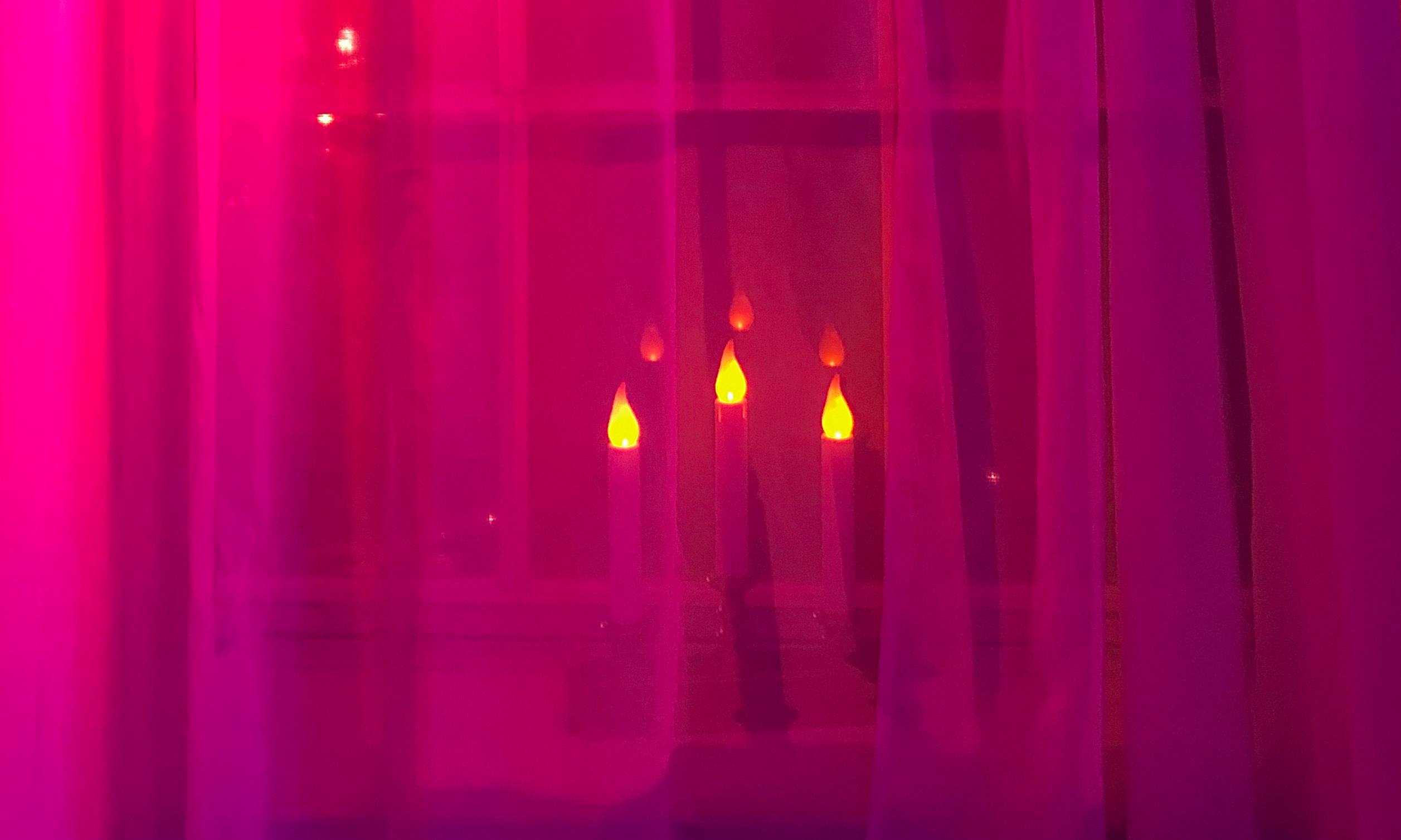
2011 was the year I began distancing. By which I mean, I began a life lived from my twin bed, fueled by goldfish crackers and electrolyte drinks, seldom able to access the outside world. It wasn’t mine to call home anymore.
I was drowning in conditions that these doctors hardly knew about. I had no choice but to become my own doctor, nurse, and historian. More than anything, I became my own community.
The outside world was stolen from me by sickness, uncertainty, and administrative violence – this world was never built for my survival. Such predicaments were met with constant calls to push through – go into the world anyways, risk it all for a “normal” life. They said adapting to it would make me better. It wrecked my body and my mind. Being bedridden was extraordinarily taxing and painful in a way that cannot be understood by those who have not been fully immersed in it in this way, yet. But I am inseparable from my bedroom life, I am made of soft pillows and the world I built among them.
Continue readingI shouldn’t have to suffer in silence
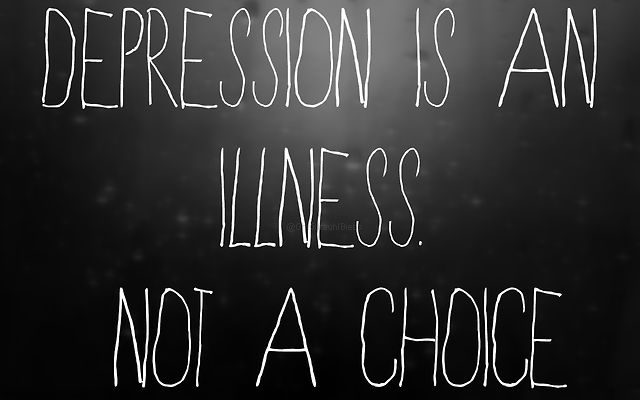
You want to know what growing up with depression taught me?
Continue reading
On Pain Meds and Brain Meds
I get the impression that most people don’t put much thought into over the counter medication. Other than the warnings on the bottle about not taking more than a certain number in a certain amount of time, these drugs are considered “safe”. You take them when you have a symptom to relieve, you stop when it goes away. It wasn’t until I started taking prescription medication for my mental illness that I realized how much I take OTC meds for granted.
When I first started taking medication one of my friends looked up as much information on my meds as he could find. One of the things he looked for is other things I could and could not take at the same time. And one of the things on the no-no list was NSAIDs.
This Sucks
I remember talking to my mom about the book I was reading, “Feminist Queer Crip” by Alison Kafer. When I talked to my mother about disability, she pointed to an experience in her past. She said, she remembered back in her country seeing a man without legs or arms in the streets with a sign that asked others for food. My mom made a point to tell me that the man wasn’t sad, but was singing about the glory of God. Continue reading
The Imagination in my Shoulder
“what? I don’t feel it, are you sure it’s there?” asks my friend who is a massage therapist. “It’s there you have to push deeper” I say. Continue reading
The Burden of Emotional Labor
A red faced woman stands in front of me with her lips pursed and a pink plush pig toy on the counter in several pieces. She reaches into her bag and throws more white stuffing onto the counter. Along with a balled up receipt, she throws at my chest. “I want a refund.”
I hate this part. Continue reading
My Father, The Former Coal Miner
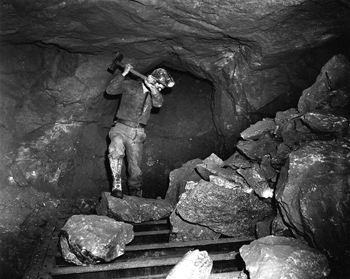
My dad used to work in the coal mines of West Virginia. This was before I was born and right around the time my parents got married. His father and uncles were coal miners as well and my grandfather wished for my dad to work anywhere but the mines. Continue reading
Losing Control
This past August, my friend I were leaving the mall and walking to my car. I unlocked my car door and took a step up into my car. Out of nowhere, a sharp pain shot up back and I fell to the ground, screaming, and in tears. Continue reading

