My Body, Everyone’s Opinion

In “Throwing Like a Girl,” Iris Marion Young defines femininity as “a set of structures and conditions which delimit the typical situation of being a woman in particular society as well as the typcial way in which this situation is lived by the women themselves.”

Read more: My Body, Everyone’s Opinion

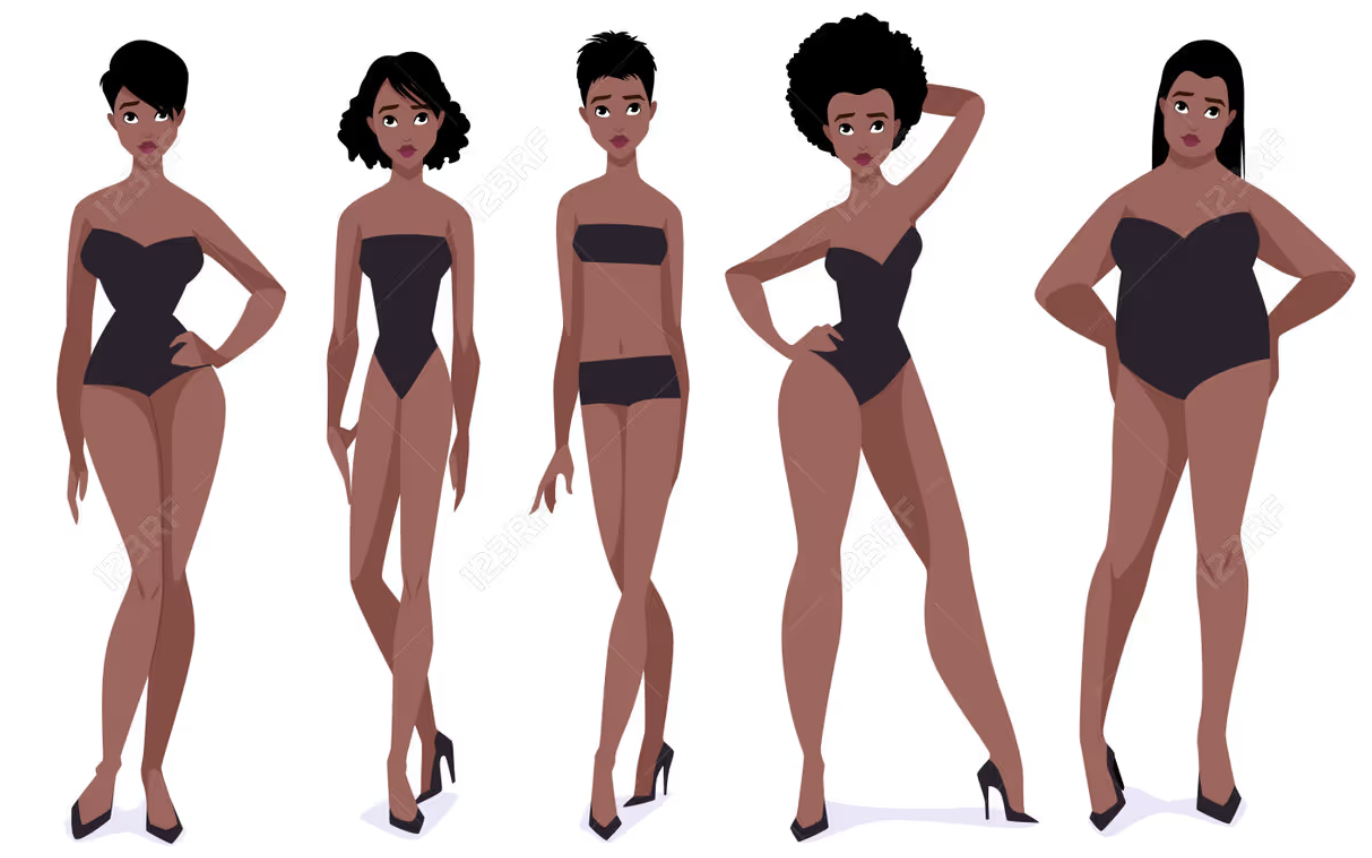
I really began to think about how femininity is shaped by structures and conditions, but also how women in various cultures may experience and utilize these conditions. I also began to think about my experience as a skinny black girl and how my body is viewed and discussed based on the audiences age. I was stuck in between two expectations. My younger peers would make comments about growing my glutes to achieve the “slim thick” figure. At the same time, older women will tell me to enjoy my skinniness (as if there was a timer on my body) because the day was coming when I’d be in their position; Reminiscing of the slimness they once had. Both comments are different, but they both make me think about how my body is being measured against expectation of how a woman’s body should look like. I question the root of where did the expectations come from and at what point did they change? The ideas of what a black woman is supposed to look like has influenced how I see my own body. To the point where I start to ask myself, “well which side of the spectrum should I strive to be on?”

Young’s definition helped me see that these experiences are not just a desire to look a certain way. It is a larger social condition that is shaped by what other think black women’s bodies should look like. The pressure to be “thick,” gain weight, and enjoy my body before it changes all shows how femininity can shape the way women understand and experience their own bodies.

image used from: https://www.123rf.com/photo_88636296_set-of-female-body-shape-types-five-types-african-american-women-vector-cartoon-illustration.html
Reproductive bodies and Disabilities in Different Cultures

https://kerrythompsonblog.files.wordpress.com/2020/08/savingpng.png

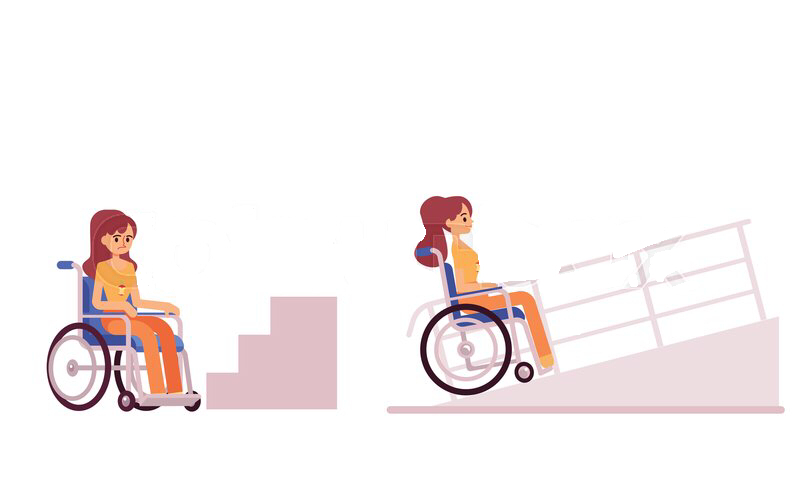
According to many cultures around the world, It is a woman’s “duty” to reproduce. In fact, many people believe that our sole purpose here on earth is to pop out kids and try to populate this planet. This view doesn’t even consider if the woman – who has to carry and deliver the baby – even wants kids in the first place. And If a woman chooses not to be a mother, she is not doing her “duty.” Like duty by said who? God? Not everyone believes in an eternal being with infinite power. It’s even concerning how some people wholly ignore how much work goes into having a child; all the sacrifices and attention to detail that a woman needs to have in order to deliver a healthy baby. I remember having a friend from Dubai who told me that the culture there in Dubai is very patriarchal, and it is the men who do most of the decision-making in the family. The woman is just his “wife.” His job is to look after the woman and her kids, and her job is to do housework and take care of the kids. This kind of thinking is a very traditional way to view gender roles. It is how cavemen view gender roles, where the men are tasked with hunting, and the women are to pick berries and take care of children. However, we can all agree that this view is outdated and it views women as if they are physically disabled, thus an “almighty” man is needed in all families to guide them and fill in the gaps that woman is unable to fill.

Drawing some examples from Baynton’s Disability and the Justification of Inequality in American History and the film Aftershock, women have been viewed as being physically disabled, at least that’s how Baynton wants us to understand them. He argues that a patriarchal society – like the one we have in America – views women as weaker, emotional, irrational, and thus inferior to men. This reasoning can explain why women are paid less than men despite taking on similar positions. This belief that women are irrational is the reason why women in some areas of the middle east are not allowed to drive or in some cases pick their lovers. This is a social disability that needs intervention because it can be crippling to the advancement and well-being of a lot of women in patriarchal societies.

“I Liked Your Hair Better Straight”

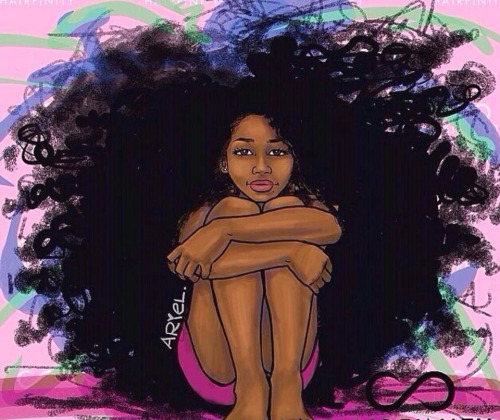
tumblr_n7r6vgKPpR1t6dcj7o1_500.jpgI’m getting tired of hearing that….

Continue reading →

Blue Pills

Blue Pills

I went on estrogen almost four months ago. I don’t really pay attention to it much –I had to check to see if that was even right. As someone who is on HRT I think there is a serious gap in the discussion.

Continue reading →