
Who am I?
I,
I’m my thoughts,
My dreams,
My aspirations.
I’m my name,
My looks,
My imagination.
That’s what I see,
When I stare,
Into my reflection.
My reflection,
Ripples in the river of life,
The shallow,
Shallow river of life.
To the world,
I am my reflection:
I am only what the world sees,
Only what the world decides I am.
My body is but a vessel;
Why must the world ignore me,
But acknowledge the vessel?!
Books, merely objects
Are still judged
By only their covers,
So who am I to demand
They not judge me
By only what they can see.
The inside of a book
Is where the value lies
But most people don’t bother;
It’s easier to judge
From the outside
My body is a part of me,
It embodies my soul
My personality,
But it is not all I am.
I am not my scars,
My disability,
I am me,
A completely separate entity.
I, Me,
Not just what you see
ethnicity
I Need You To Survive
 In this world there are good guys , and there are bad guys. That’s what the movies and television shows tell us. There is always a hero! Then reality hits. Sometimes there are no happy endings , just fewer villains. When watching these heroic figures on TV , you’ll see them having trouble defeating the biggest “bad guy ” in the world. Then the writers like to throw in a twist. Just when you thought the evil side has been defeated. They come back stronger than ever! Continue reading
Majority, yet still the minority
Now and days, I have been thinking about being more political aware and like any curious person I decided reading The Washington Post would be a good place to start (only online, of course). Continue reading
Black and Yellow Black and Yellow
In class I was secretly, desperately hoping we would discuss people of mixed race. I am Korean and African-American. My mom is from South Korea and my dad is from Louisiana. I have identity issues. Continue reading
Hands Up, Don’t Shoot
Yesterday I participated in the Mike Brown protest at UMBC in front of the UC. Not just because I’m black and i felt i HAD to but walking past the people who have been there since 8am and thinking of what they were fighting for, I felt at that moment that was the best way I could show my support. I’ve been following the since August, when we first learned of the shooting. Continue reading
Peace?
(Possible trigger warning for rape subject/sexual assault)
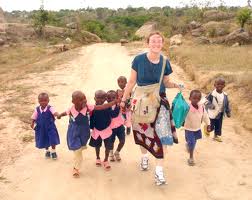
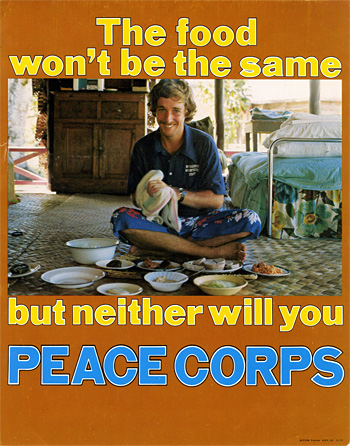
Over the past few years I’ve been toying with the idea of joining the Peace Corps. So far I’ve received mixed reviews on whether or not it’s the right thing to do. Some say it’s a government funded semester abroad-a vacation for privileged white kids to fulfill whatever fascination or desire they have to dig wells and live in poverty for 27 months. Continue reading
Oh Dear god-What have I done?
So I did it!
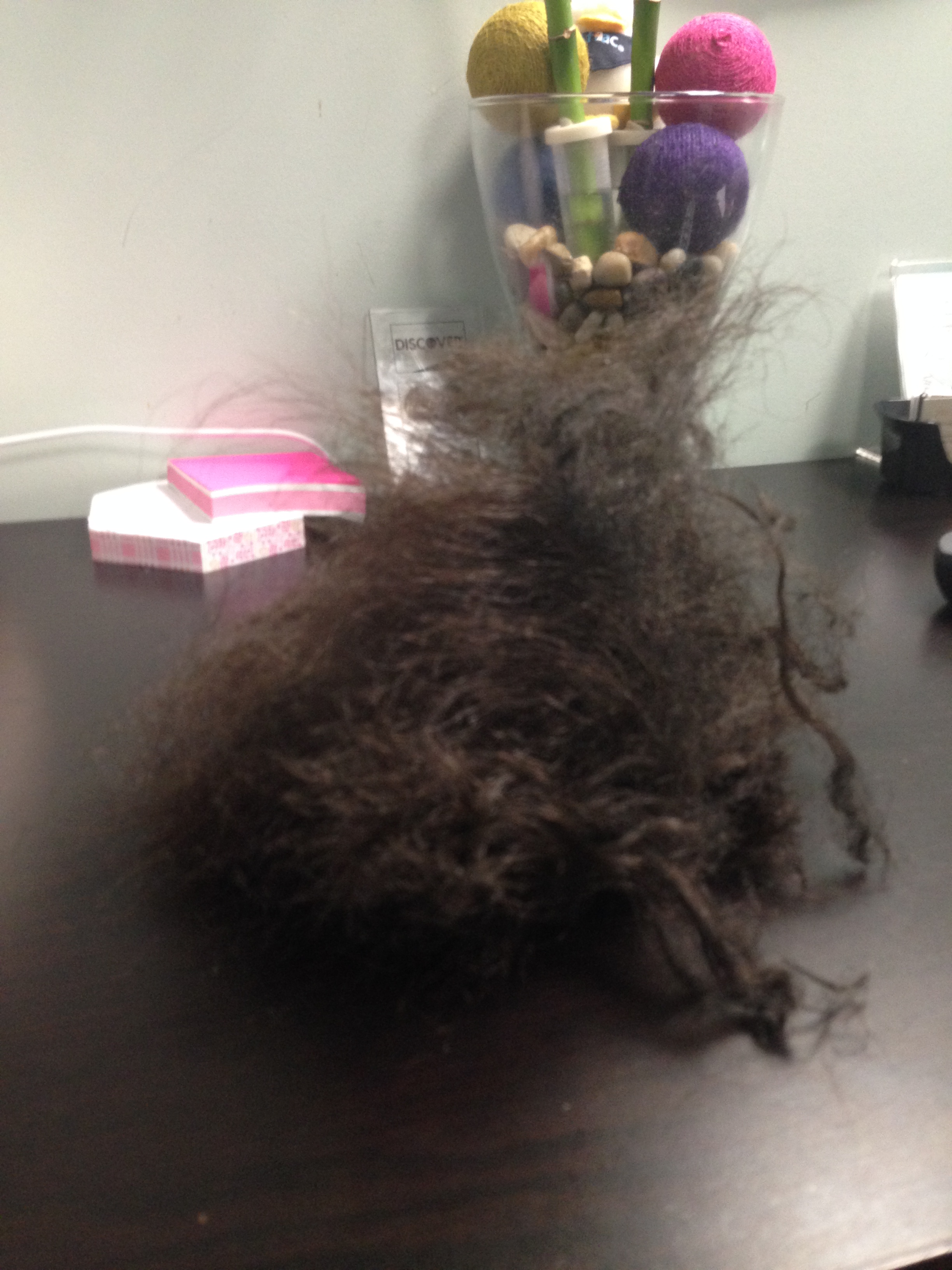
After Months and MONTHS of growing my hair-countless hours sitting in a chair getting braids done, never ending conversations with myself about how great the end result will be and endless hours spent viewing pictures of afros on tumblr– I finally chopped my hair. Continue reading
Bodies that speak
I’ll put my name in this post because it will make more sense.This is Renita.
So I was born in Cleverly, MD and I have lived in Maryland for 21 years I lived in Oklahoma for one year and I am 22 years old. However when I open my mouth and begin to speak something strange comes out – an accent. I have no idea why or how I sound the way I do. My mother who was born in Nigeria doesn’t have the accent and neither do my cousins who I spent a significant amount of with have one. So I have no idea where my voice comes from. Interestingly enough when in America and in other parts of the world (I have traveled a bunch) whenever I speak people accept that I am from Nigerian as opposed to when I say I am from America.
Usually the conversation goes something like this
“where are you from”
me – “Maryland”
“no I mean where are you really from”
me – “my family is from Nigeria”
“oh so where you born there”
me – “nope I was born here”
“oh so you lived there”
me – “nope I have lived here all my life
This conversation has happened many a time. It is very hard for me to explain to people that I am American and they never truly seem convinced. So more often then not I say I am Nigerian it is a lot easier then the long conversation. Or if I really want to make the person that I am talking to upset I say “I was born in America but I am from Nigeria”. My thing is that everyone has an accent to anyone else. There is no unified way that Americans talk. There are different southern accents, there are new England accents, new york accents so on and so forth. So why the obsession which trying to pin point where a ‘body’ is from based on how they sound. I mean if I wanted I could make my self sound American which probably means Caucasian (which by the way a lot of people that come from Nigeria and move here do). But sorry I am not going to make it easy. This is the way I speak.
Viola Davis: Oscar Loss, Natural Hair Win
Viola Davis, an award winning black actress, recently starred in the movie The Help. At the 2012 Oscars, Viola appeared on the Red Carpet glowing and debuting her natural hair. The media, of course, made this a into a huge story. When asked what made her decide to wear her natural hair to the Oscars, she stated that h

er husband encouraged her to do so.
I believe that Viola Davis was radiant and confident that night. She was absolutely beautiful. Many black women and young girls appreciated seeing natural hair on the red carpet. Wendy Williams, radio talk show host turned television host, did not feel the same way. On her self titled talk show, Wendy Williams insinuated that the Davis’ TWA (teeny weeny afro) made her look mannish, like the history teacher in the 70’s sitcom “Room 222”. At another time, Williams stated that Davis’ hair was just not professional. Many black women were appalled at her statements. They felt that Williams was attacking black women. As you can see in the picture on the left, Davis display of natural beauty was inspirational to black women and girls; and, Williams blatantly shot it down on national television to an audience who probably does not understand natural black hair to begin with.
Black hair has so much politics attached to it. In the past, black women have felt restricted by white beauty standards of straight or wavy hair that is often unnatural to them. I, like many others, am appalled that a black woman would scorn another black woman for displaying her natural beauty. “Natural” hair is our hair. Kinky, curly, wavy, coarse, whatever, it is our hair. I am encouraged by the fact that so many black women have decided to transgress white beauty standards and free themselves from chemical relaxers, letting their own unique beauty shine. Viola Davis certainly took a stand at the Oscars and became even more of an inspiration to black women.
Hijabs and Hoodies
After we discussed the horrific and tragic murder of Trayvon Martin in class today, this article in particular caught my attention:
Shaima Alawadi, a resident of San Diego, California, was found beaten unconscious in her home last Wednesday and died of her wounds this past Saturday. A note was found saying, “Go back to your own country. You’re a terrorist”.
Shaima was a stay at home mother with five children.
http://www.reuters.com/article/2012/03/28/us-california-iraqi-memorial-idUSBRE82R01N20120328.
This happened less than a week ago.
There was mention in class of how certain ideas in society become normalized, for better or for worse. In Trayvon and Shaima’s case there is no question these ideas create a poisonous environment.
But in both cases there was a similarity: clothing.
Trayvon was wearing a hoodie; which according to sources across the spectrum, most notably Geraldo Rivera, made him a target for suspicion. Last I checked wearing a hooded sweatshirt left no one with the ability to label someone as “suspicious” and cause cruel loss of life to another.
Shaima also had an article of clothing that marked her; a hijab. For those who are unfamiliar with a hijab, it is a head covering traditionally worn by Muslim women for reasons of modesty. Yet by wearing a hijab Shaima marked herself as “other”.
I find myself wondering if we can draw parallels between Shaima’s and Trayvon’s murders. They were both marginalized members of society, Trayvon was black and Shaima was an Iraqi-American immigrant. Both were wearing articles of clothing that are innocuous (although a hijab may stand out for those unfamiliar with the garb) but these clothes became threatening to those with prejudices and stereotypes.
I think we, as a Western society, are not past our cultural and racial biases when two murders are committed within a month of each other on the basis of race and ethnicity, with the flimsy excuses of clothing as reasoning. (By the way, I’m not ignoring that there are far, far too many of these crimes that go purposely unnoticed or are unreported).
In response to this hate crime there has been an out pour on social media and I found a group on facebook that seemed particularly fitting: http://www.facebook.com/pages/One-Million-Hijabs-for-Shaima-Alawadi/137306256397032.
When women are told, “you were asking for it”, if they are raped and happened to be wearing a miniskirt, when young black men are shot for wearing hoodies, and a woman is beaten to death in California for wearing a hijab because it “makes her a terrorist”, I have to wonder about the emphasis placed on clothing and the body-the cycle of violence around the clothing people wear for religious or personal reasons and why people use these articles of clothing as excuses for committing atrocities.
I find myself sick at heart with the violence, the hate, the prejudice, and the inbred bias. I send loving and peaceful wishes to the members of Trayvon Martin and Shaima Alawadi’s families.

