A Spectrum of Expression

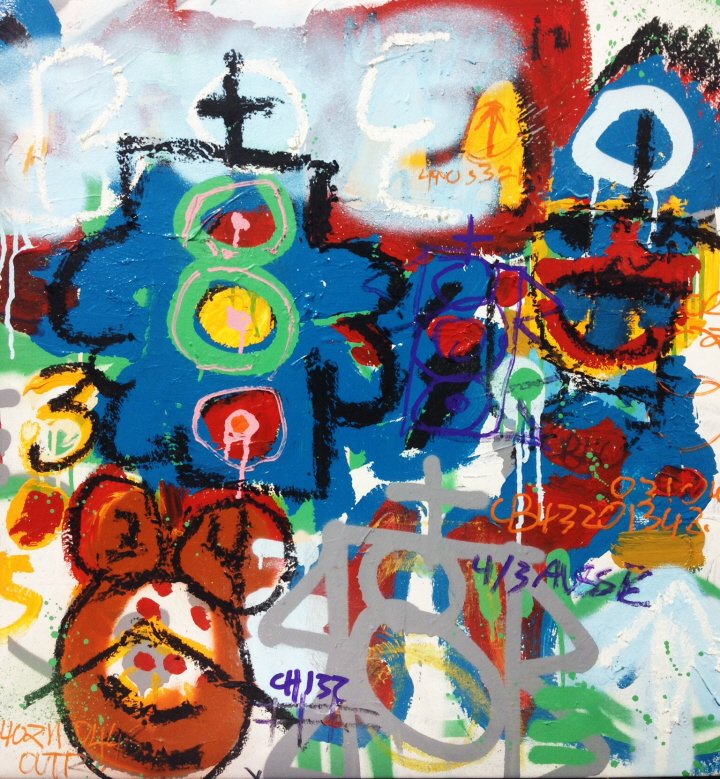
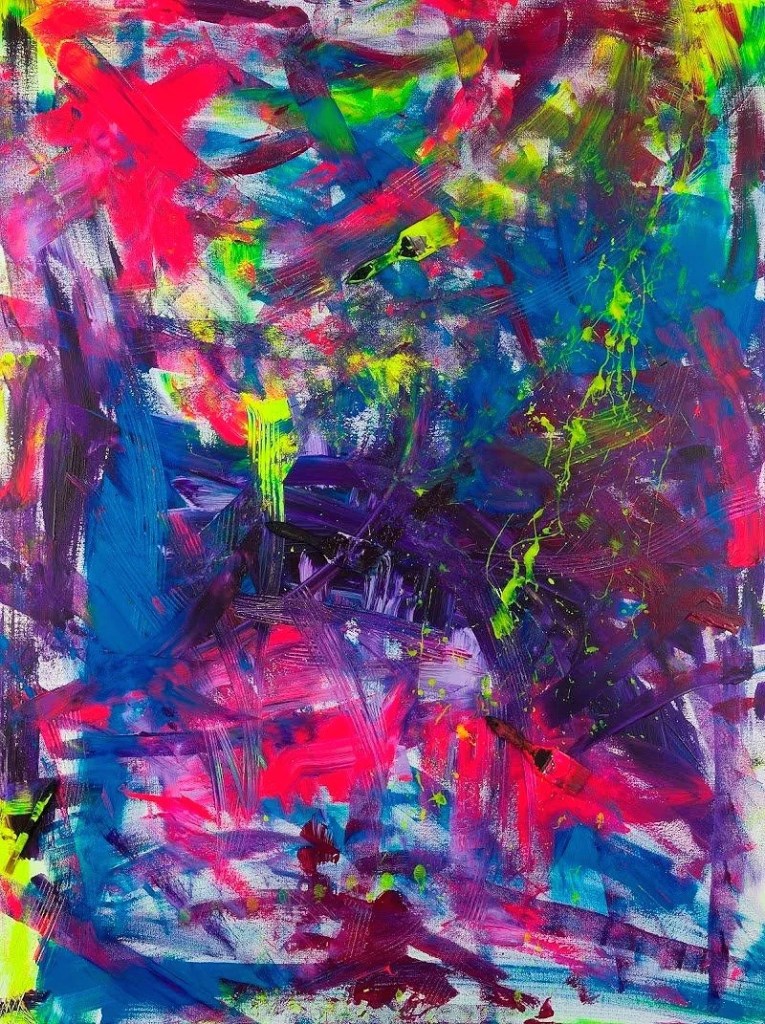
The image above is an untitled UV acrylic painting by Cecile Lobert, an autistic and non-verbal painter. Every autistic person deserves to have their story seen, not just those of us who communicate through traditional methods. Cecile may not use words, but she expresses herself vividly and gives us insight into her life that others cannot do for her. She uses textures, colors, and emotional depth that past and present messaging from neurotypical people leave out.

In 2009, a non-profit advocacy group called Autism Speaks released a nationwide PSA called ‘I Am Autism’, which featured a voiceover from the perspective of their personification of autism. Here are a few lines from the PSA:

“I work faster than pediatric aids, cancer, and diabetes combined
And if you’re happily married, I will make sure that your marriage fails.
Your money will fall into my hands, and I will bankrupt you for my own self-gain.
I don’t sleep, so I make sure you don’t either.
I will make it virtually impossible for your family to easily attend a temple, birthday party, or public park without a struggle, without embarrassment, without pain.
You have no cure for me.
Your scientists don’t have the resources, and I relish their desperation. Your neighbors are happier to pretend that I don’t exist”

Autism Speaks has since apologized for their PSA, but the damage has already been done.  Like Chimamanda Ngozi Adichie explains in “The Danger of a Single Story”, people form lifelong beliefs about others based on the first stories they hear about a demographic outside of their own, especially if they never hear from the demographic being discussed.

16 years after ‘I Am Autism’ aired, the Secretary of Health and Human Services said in a nationwide press conference that autistic people will never be able to pay taxes, hold a job, write a poem, go on a date, or use the bathroom unassisted. If you are autistic and or have been emersed in neurodivergent spaces, you know that depiction is not true and certainly not whole. Even autistic people who experience the struggles described above, they can and do have vibrant, meaningful, happy lives. The Autism Speaks PSA and the HHS secretary’s statements are both centered around arbitrary lists of things they think autistic people cannot do, framing it as if not being able to do those things makes autistic people’s lives miserable and empty. These narratives influence the greater population’s perception of disabled people, which then influences policies and practices that harm disabled people.

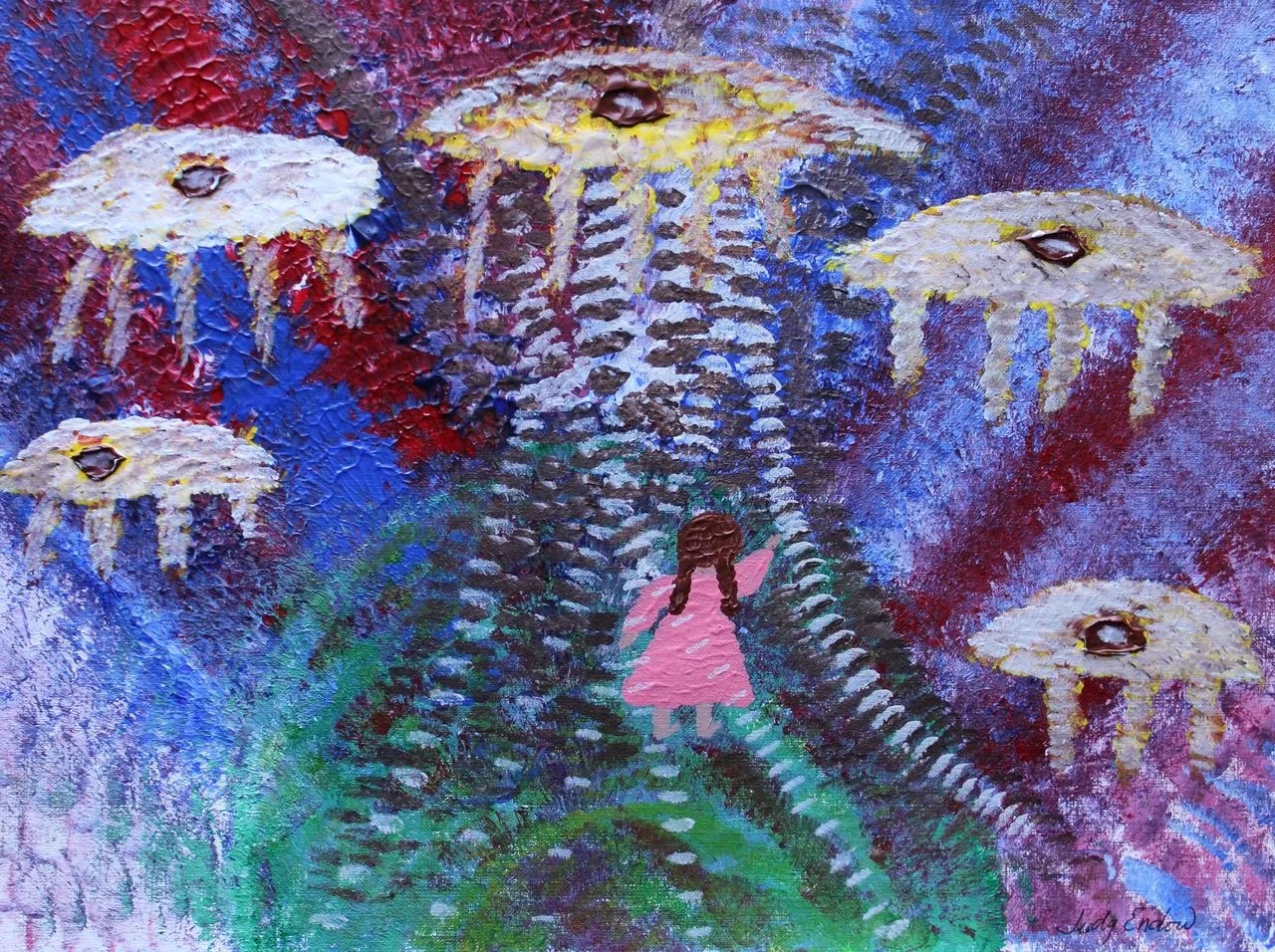
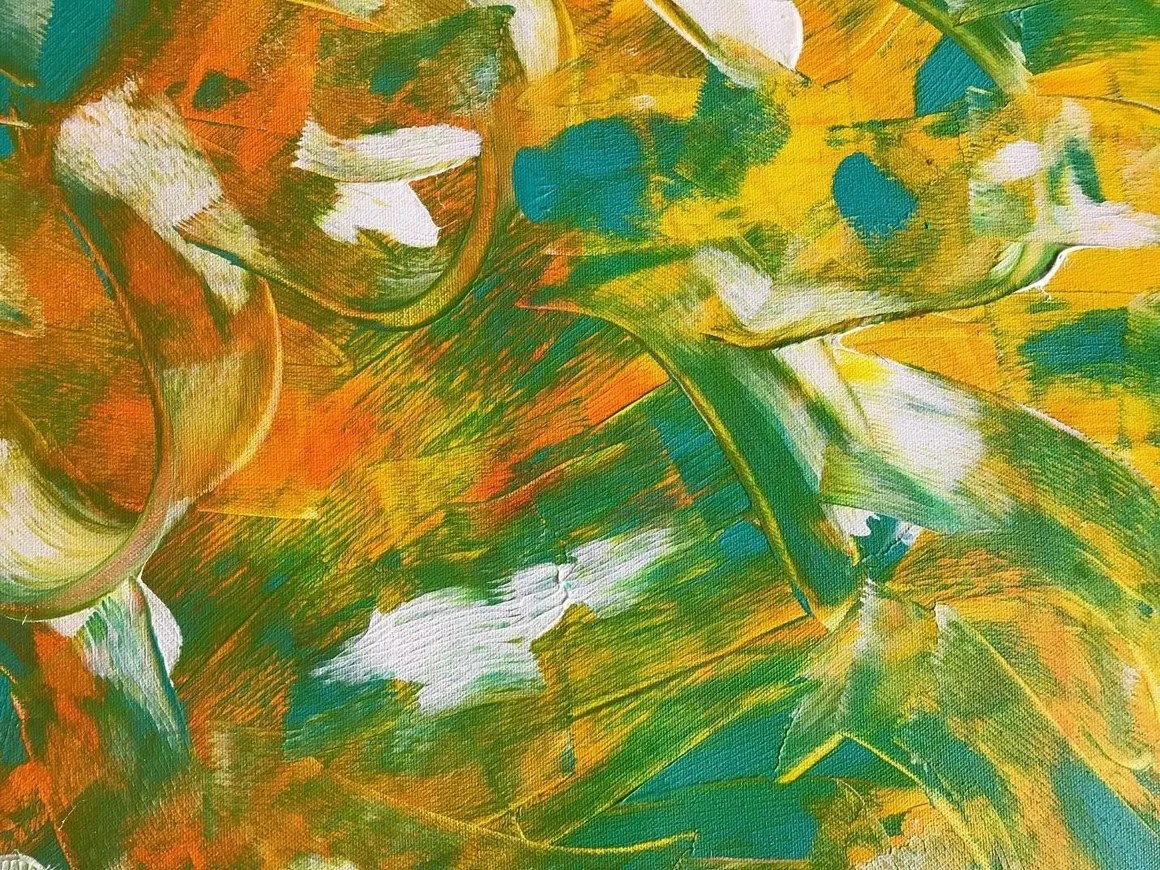
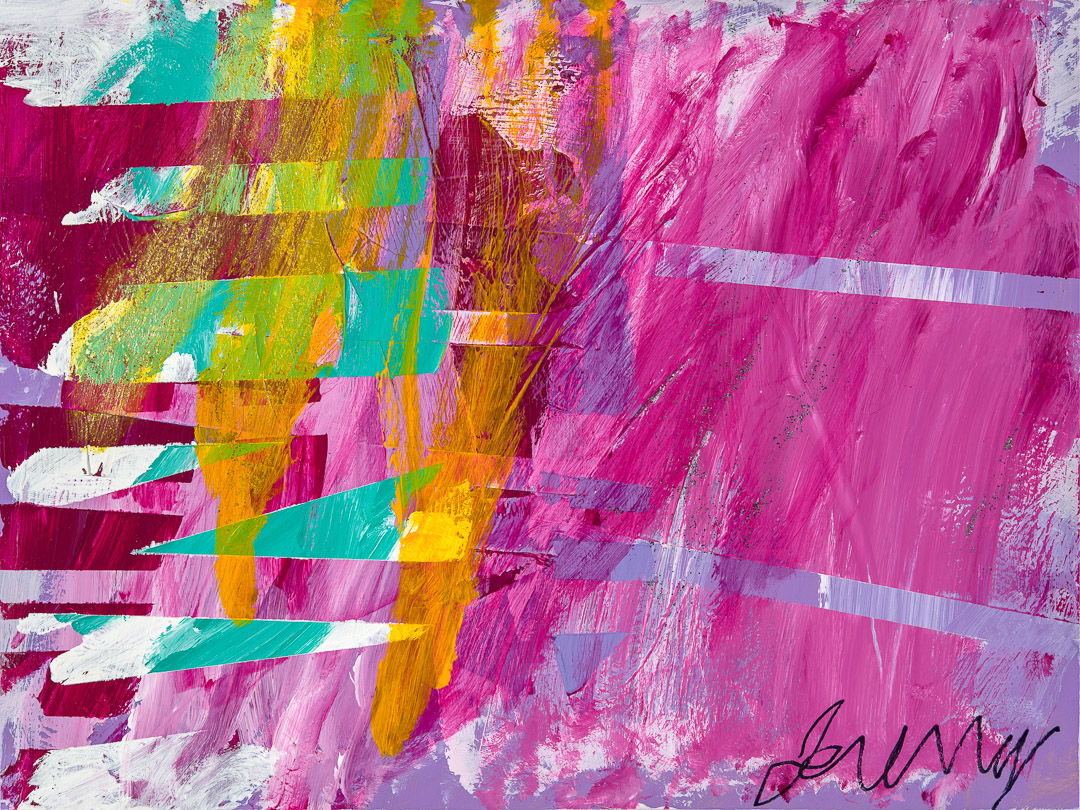
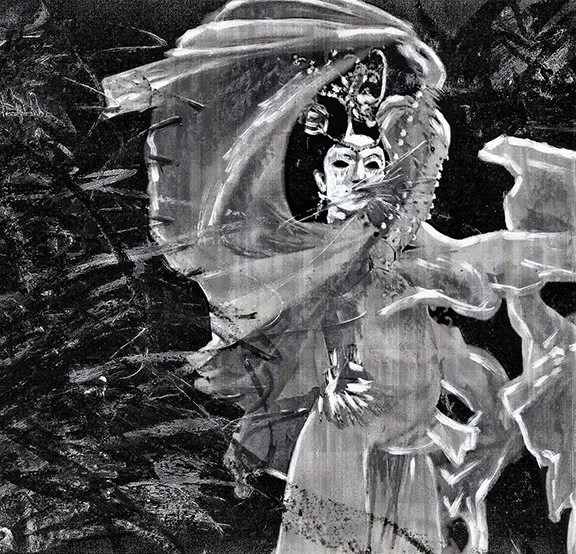
Below you can see more art from autistic artists. Seeing through their eyes rather than the scornful eyes of people who wish to eradicate autism gives them agency and a voice that is being stripped from them. I hope the depth, color, texture, and care put into these pieces allow you to see the depth and range of autistic people’s experiences and abilities which have been downplayed by people with a lot of influence and reach.
Autistic Masking & Trans Passing — The Venn Diagram is a Circle

Autistic people are a lot more likely than the neurotypical population to identify as transgender — something I personally chalk up to us having a keener eye for social norms that make no sense (the gender binary being no exception). As an autistic trans person who has to deal with the social repercussions of both these parts of myself, I have noticed how society is built not only to prioritize cisgender neurotypical people, but to actively shun those who don’t fit in either category in very similar ways.

Continue reading

My Experience with Gendered Autism

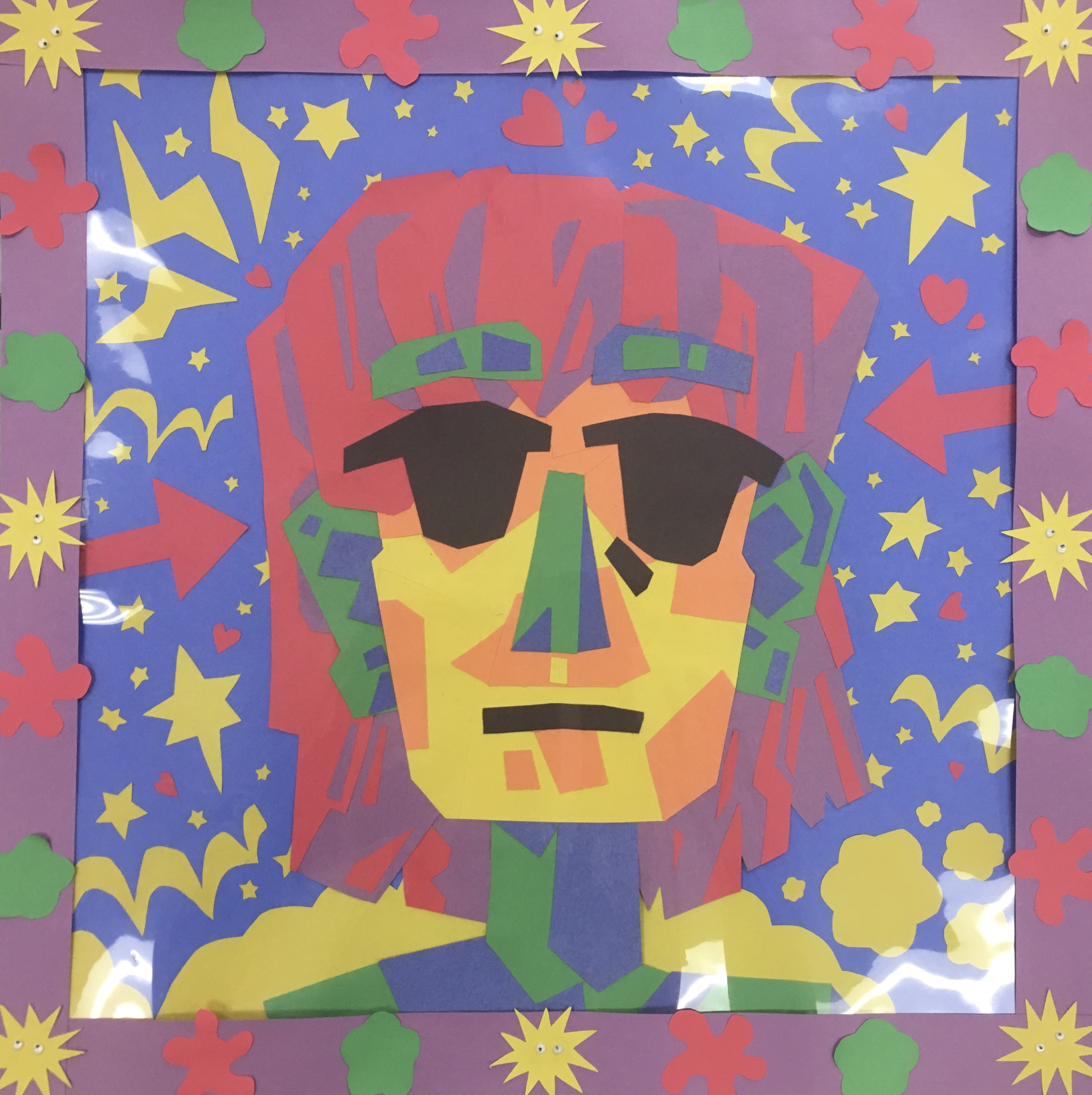
(“SHAPES AND COLORS,” a colorful, self-portrait stylized construction paper collage piece I created centered around masking.)

Growing up it was incredibly obvious I was on the autism spectrum. I was very rule-following and smart at school, getting described as “demonstrative” by preschool teachers (who calls a four year old that word?), but was very sensitive about minor things like the texture of lotion or potatoes or certain fabrics, or toys being organized differently from the way I wanted them, or frustration with not being correctly understood. While no diagnosis is the same, these are signs of being on the spectrum, and at three years old when my mom talked to a friend who was a psychologist she posited that I might be autistic. 

But when I went to get evaluated, four year old me was denied an official autism diagnosis. Then I was denied again at age seven, and instead put under the label of Sensory Processing Disorder. I finally got the Autism Spectrum Disorder diagnosis at age 12 (a year after also getting diagnosed with anxiety and depression). I also found out that in the years before the DSM-5, I was on the part of the spectrum that would have been denoted Asperger’s Syndrome, but luckily I got the diagnosis too late to become attached to that term and was educated of its problematic origins. 

Looking back on my history of diagnoses, I always wondered why despite it being obvious with all my quirks growing up I was over and over again refused a clear answer. But learning about gender and disability studies/justice in the last couple years, it has become apparent why: I grew up a girl. 

I was very lucky to have the privilege of parents that let me express myself whatever way I wanted as a kid, and I did exactly that in my special interest of dinosaurs, which were gendered as a “boy” thing. But I realize that I was still unable to escape the social part of socialization: Specifically, the experience of girlhood (as I have understood from mine and others) that involved making yourself and your problems smaller, while boys around the same age were allowed to be loud and take up space. 

This difference was especially present when looking at the differences between ways that autistic cisgender boys expressed their traits without much dramatic behavioral intervention or judgement from other kids, such as verbal or physical expressions of stimulation. Meanwhile, if a young girl was perceived to be “different” in the way they behaved, they faced more bullying and ostracizing than boys might. So as I grew up into the American school system as a girl, I learned that I would face more unspoken social consequence for expressing my traits, and thus felt more pressured to mask. And as these traits went unexpressed, from classrooms to doctor’s offices, they too went undiagnosed.

Finding out that this experience I had growing up was validated through the study of how disability is embodied differently across genders and social standards (as Shakespeare implies, there is no accurate one-size-fits-all model of disability), I felt quite vindicated honestly. Even after transitioning and finding community with other transgender autistic people, I can still see this difference in how traits are expressed due to assigned-at-birth-gender socialization. I worry that I may seem annoying at times for making this intersection of my identities my “personality,” but with how much I’ve come to terms with how it has affected my entire life I cannot really deny its stake in the person I’ve grown up to be.