Addressing misconceptions of tattoo culture and tattoos as art today

In recent years the tattoo industry has grown significantly; social influence has deconstructed a lot of the stigma around tattoos, and outdated conceptions of tattooing have been dispelled. As an artist, tattoo culture is truly fascinating… It is such a democratic form of art and the commonality and accessibility of tattooing as an art form makes it an interesting subject. 

The permanence of tattooing is integral to its nature, and the permanence of art which is so personal to an individual is a unique phenomenon. There has long been discourse about addressing tattooing as a form of art- this goes along with misconceptions that tattoos are “unprofessional” or “delinquent”. 

However, today, tattooing is much more appropriately addressed as a very impressive and particular form of art. The relationship between art, artist, and customer here is much more complicated than with traditional types of art. Tattoos demand that the consumer accepts this art as a part of them, and there is a unique trust in this process. There is also then the idea of the impermanence of the art for the artist. Their “canvas” per say is coincidentally impermanent to them. It is, conversely, entirely permanent to the consumer. This then leads to the discussion of how tattoos impact or alter one’s individual embodiment. Tattoos to many people are an outward expression of parts of their identity often not visible to the public. To me this is such a beautiful intersection of freedom, identity, and art.

 I think that some stigma that still remains regarding tattoos is their permanence and meaning- there is a general sentiment that now, okay, tattoos are acceptable, but they should be regarded with importance and meaning and hold particular value. I think that this is still a misconception and hinders that freedom of expression previously mentioned. 

To me, tattoos can hold meaning and tell a story, but they also express simple beauty and art. There doesn’t need to be some significant life event or meaning to warrant someone wanting a beautiful piece of art immortalized on their skin. 

To me, my tattoos tell my story, and I will continue building that story as I grow older. I also love collecting tattoos from different artists, and I hope to do this on a larger scale as I go on and travel and have more unique experiences. I love that each of my tattoos holds a memory of a particular artist and a unique interaction and experience. I love collecting other people’s art on my body and using it as a means for my own expression and self confidence. I think it’s a beautiful exchange of expression and identity. 

I love too that this expression then allows me to connect with others around me who are interested by what they see on my body; I think of my tattoos as a sort of outward preface to my personality and identity and that exact idea has led to some truly wonderful interactions and even friendships. 
My Fused Violin, My Musical Body

Music has always been my way of expression, whether it be through an instrument, a song I sing, or even a dance. Music became a part of my body. Music has always been there for me when I needed to be creative, when I needed to think. As I’m writing this I’m listening to music. Since elementary school I have been enveloped in the love of music. I started to learn how to play violin. My teacher was such a passionate person when it came to teaching music. I think that’s why I began to fall in love more with my music. She always motivated us to keep supporting music and to never let it fade from our hearts. My mom loved hearing me play, she was also in love with music. Her hearing me practice made her joyful that her daughter was carrying on the musical tradition. She was in chorus when she lived in her village and she always came back with awards and trophies because of how beautiful her voice is. My mom’s voice is amazing, she always brings me comfort when she sings to me, I think that also fueled my passion for music. Throughout elementary school, to middle school where I became first chair in my orchestra class, to high-school, the violin was my best friend, my safe space.

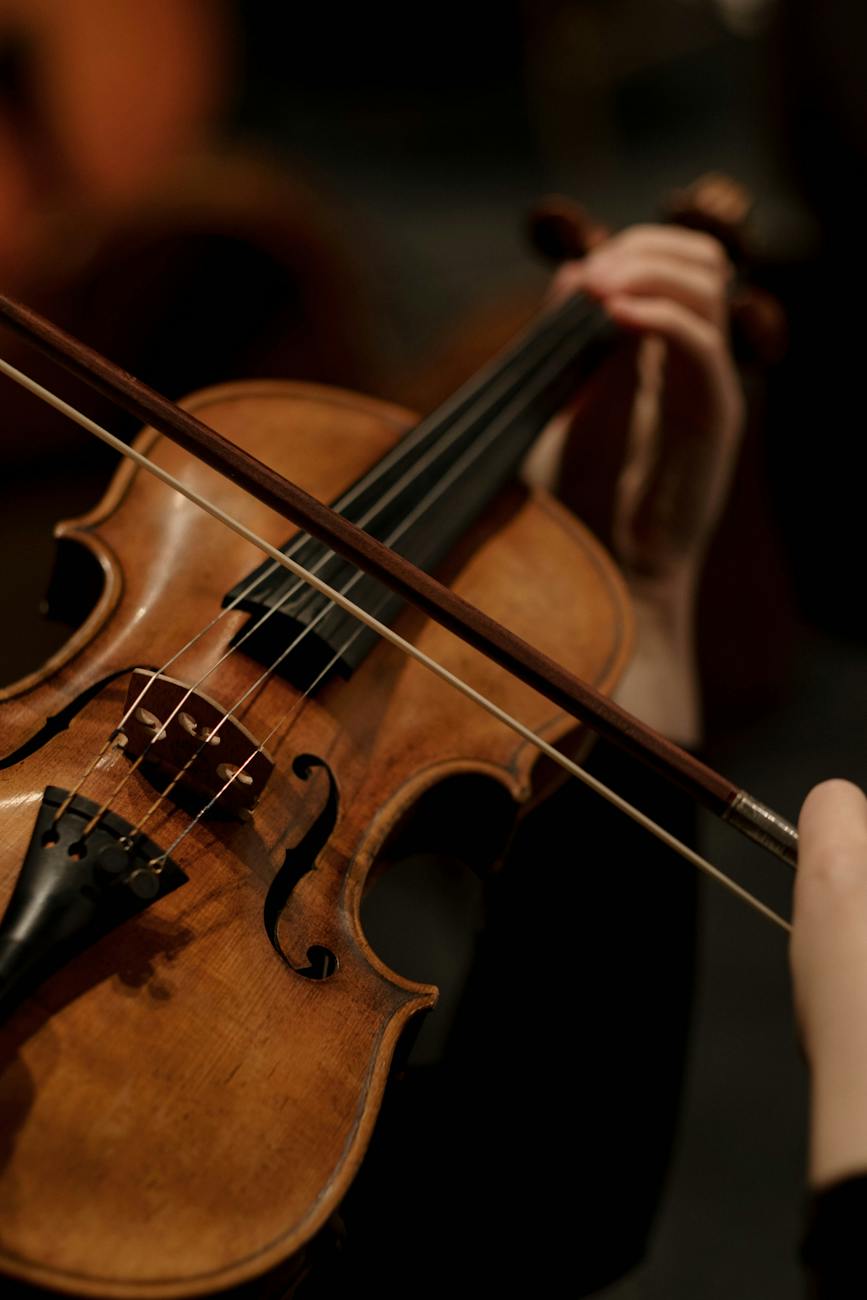
When I played my violin, it blurred out all the noise, the voices, the creaking sounds of that music room. I felt my hands connect with my bow, my chinrest melt into the violin. The bow grazing against the string and my fingers pressed on the fingerboard of the violin, creating such beautiful music. I never really told anyone about how connected I am about my violin until this class. I wouldn’t let anyone touch it unless it was the Lashof violin manager repairing my bridge and my strings. When I was sad, I could play my heart out with such balance and heavy energy. When I was happy I would be so quick with my bowing hand and my finger placement. I had the ability to hear a song and mimic it on my violin after two minutes of hearing the song. I would catch every vibrato, every rest, every pitch change. Music was in me, music became me.

When we spoke about music embodiment, the first thing I could think of was my connection to my instruments that I have learned to play over the years. Violin, guitar, bass, cello, and etc. I feel like my parents gave me that musical gene. My dad played trumpet and trombone when he was younger, my mom was so good with her vocal skills, and because of them I became the connection to them for music to live on. I miss playing sometimes since I have not much time to play or take a course in music. But I still play my violin when I am home on break. I still play for myself, my parents here and there. I played for my grandma who also played when she was younger, and she passed, but that’s how I connect to her.

Music is so freeing. I can’t explain how much music saved my life. It saved my body. Music has the power to do so much to a person. Music can move people, it can cause so many different emotions. It can bring different people together. It can help you think. It can help you breathe. It can help you remember your loved ones who aren’t there anymore. It can even create so many memories. Even those who are unable to hear, are able to find music vibrations so powerful. I love music, with all my heart I do. I don’t know where I would be without it in my life. I probably wouldn’t have been able to write this blog post right now without it. As a musician, music is something so powerful, for those who play instruments as well I know you would understand how indescribable music can be. I feel like those who even listen to music understand it too. Music, whether it is being played, being created, being heard, it will always have some sort of embodiment to that person. I would never regret my choice in trying to play the violin, because it wouldn’t have brought me here, where I am able to share my story of how music embodies me.

Photo by cottonbro studio on Pexels.com

Cambodian Classical Dance: Storytelling through Body Modification

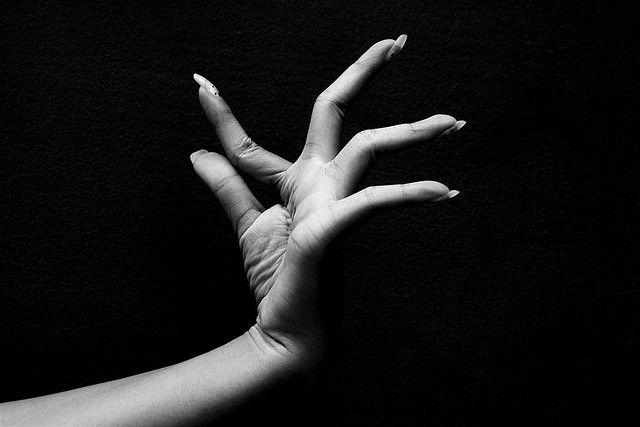
gesture

When you think of body modification, what do you think of? Maybe you’re visualizing a person with many tattoos all throughout their body. Perhaps you’re thinking of someone with multiple body piercings in non-traditional places. Or are you imagining someone with different additions to their bodies? Well for me, when I think of body modification I think of dance, specifically Cambodian classical dance. Continue reading

Representation in Photography

I love the internet, of course. It lets me access a whole wealth of content, my favorite being photographs. I’m very interested to see what everyone else is seeing through their perspective. I look at a lot of photo blogs, flickr accounts, so on, to get to see peoples photos. However, I am often disappointed and a bit confused. When I look at photographic work done by my generation, most of it looks the same. Most of what I see is white people,specifically ‘pretty,’ thin girls, doing whimsical things like running through a field or laughing while their hair blows in the wind or something. If you have a Tumblr I know you know what I’m talking about. Let me find an example…

I don’t want to discount anyones photographs. I’m not saying these photos are bad or should not be taken. This isn’t an issue of quality or validity of work. Its an issue of representation in youth photography. Where are the fat photographers/ photo subjects? The photographers of color? Trans photographers? I could even venture to ask where the financially lower class photographers are, as the people in these photos often appear to be well off (taken with high quality equipment, or color film which is pricey, but this is an assumption). I would love so much to see the perspectives of a broader range of people. I’m wondering, is it there and just hiding in an unfound corner of the internet, or are the only people my age using photography as an outlet white skinny people? Of course there are layers of nuances here relating to socioeconomic issues, the narrative visual media maintains, and so on. But I hope that a wider demographic of people will being to be represented in photography.

To Insinuate or to Transform

To Insinuate or to Transform

Whether I’m wearing lots of makeup or no makeup, I am always the same person inside.

-Lady Gaga

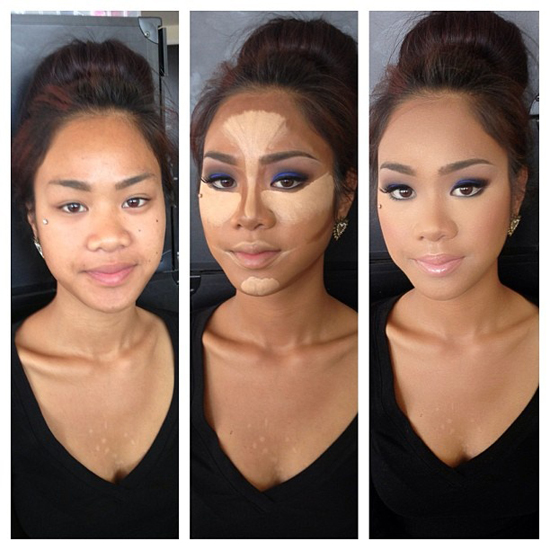
As a child up until about 7th grade I would consider myself to had been a tomboy with girly qualities. I never wanted to put on a dress, wear dressy shoes, heels, get my hair done, and not even thinking about makeup. As I got older from high school on out, I believe I fell more into wanting to get dolled up. So makeup was a big part of that right. I soon became interested in buying foundation, and eyeliners, mascara etc. I liked doing my makeup to an extent and now, I almost wear it everyday. I personally don’t feel bound by makeup because I still go out without it. Another part of me wants to always wear it for the extra confidence boost because its insinuating. But here is where the real problem is; when is it overboard and no longer only insinuating but more trans-formative.

Society now gets on women for wearing too much makeup or making themselves look different from their natural look. When I am around my dad, boyfriend, or brother its always the “ohh she is wearing too much makeup” judgement. Many are now concerned they won’t know how someone really looks. But should that be the main concern and why is it this way. I feel society puts pressure on women to look a certain way. People now go out their way to have a certain look and to still be judged.

Bodies in Photography

When you take a lot of photos of other people its important to have your own picture taken regularly as well.Not in order to even things out or something, but so you can observes your feelings on the matter. As someone who uses photography as a diary, an outlet to making sense of things, and a profession, I take a lot of pictures. The subjects of those pictures are always people, mostly friends or family, but sometimes strangers. I’m so thankful these people allow me to photograph them incessantly, through private moments, through unflattering faces, probably through not feeling like having their photo taken. I’m so thankful for them, in part,because I’m a bit of a hypocrite. Or sometimes I feel like one. I hate having my picture taken. It pains me. Maybe it pains me a little bit more then the ‘average’ person who doesn’t like getting their picture taken because I spend so much time thinking about the intricacies of the power of photography. It reveals too much for comfort. Photographs turns your body into an expression rather than a familiar possession. The subtext of a moment can be amplified in the bend of an arm or the tilt of a head. Even if you try to calculate a picture and how you’ll be perceived in it, sometimes, in a good photograph, something will slip through. The power of photography amplifies the power that our bodies have to express themselves. It’s a nearly unhinging experience to see yourself reflected in a single still moment, just your body existing in the physical world. If you look too long, that is. Which I do. Which is important to me. I encourage everyone, particularly people who don’t like to have their picture taken, to think critically about why and experiment with it.

The Great Wall of Penis

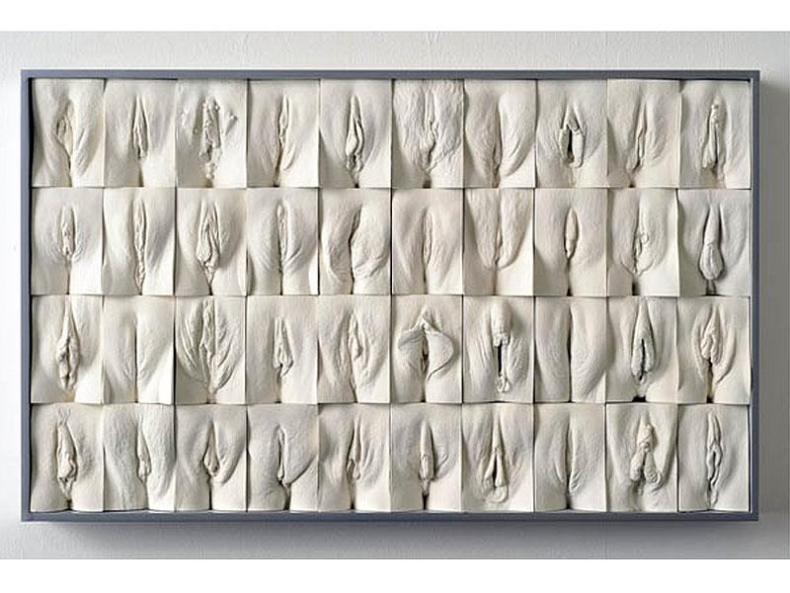
Last year Kelly Martin Broderick wrote a blog post about The Great Wall of Vagina. As an artist myself I was able to appreciate the wall as art. I cannot imagine the time and effort the artist put into every cast. The fact that so many women took time to participate is amazing!

great-wall-of-vagina-panel-1-of-10-w

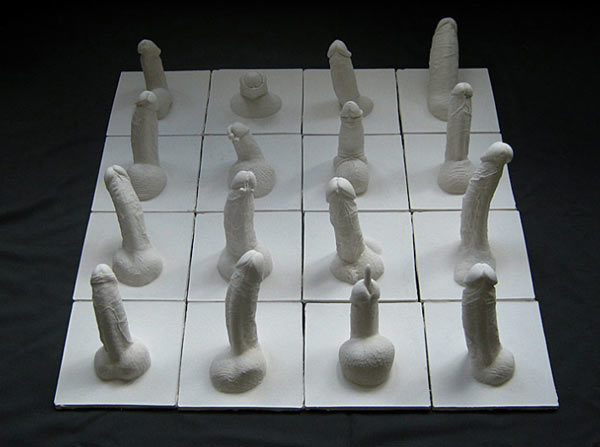
I decided to do a bit of research and came across PENIS. Big ones, short ones, fat ones, long one and the list goes on. Joseph Tailor’s project entitled ‘Art Work “100” ‘ is a casting project of many penis. This made me extremely uncomfortable. I didn’t understand why. I don’t mind looking at my boyfriend’s penis. His is pretty cool. I also didn’t mind looking at the wall of vaginas.

Wall-of-Erections_8DSC05408a

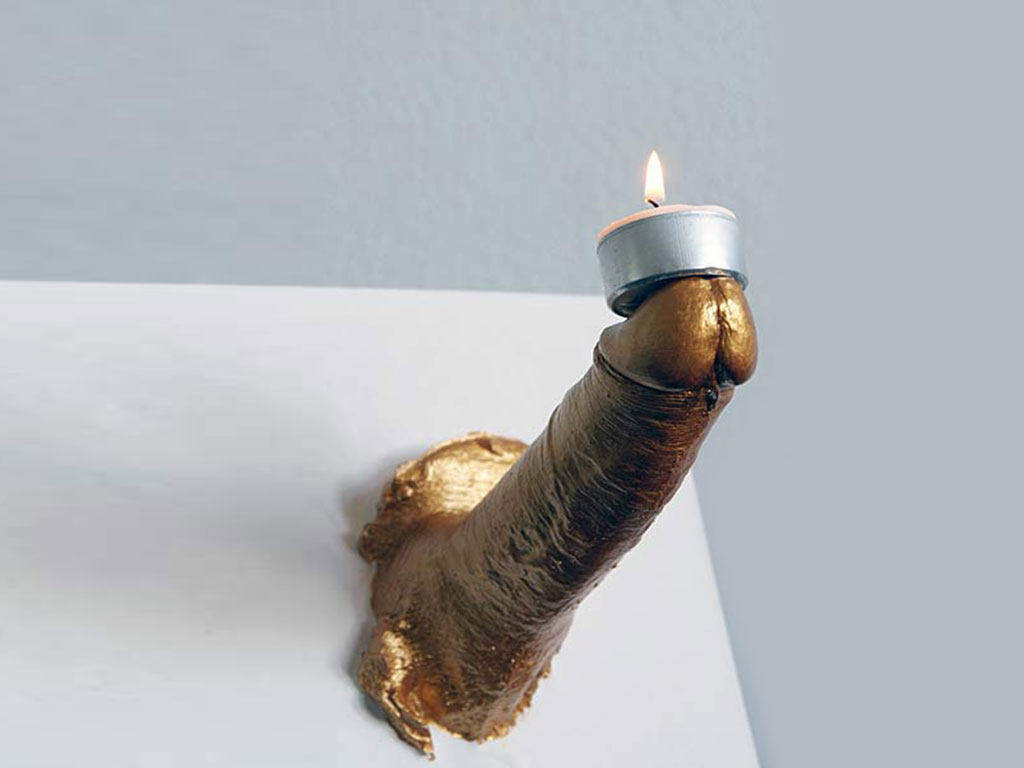
(Yes that is a Golden Penis. Not to be confused with the Golden Snitch)

Thinking hard -no pun intended- about my feelings I came to the conclusion that it was because of the form of the penis. Let me explain:

The vaginas on the great wall are all carefully placed and appear to be that of relief sculptures. They are delicate and unique. This is truly how a vagina looks.

While each penis is also unique I felt almost as if they were looking at me. I realize it was easiest to capture the mold of a penis while it was hard but this is not realistic. A man’s penis can only achieve maximum size when it is erect. Does that mean you’re “less of a man” when it’s not?

Project Clothesline

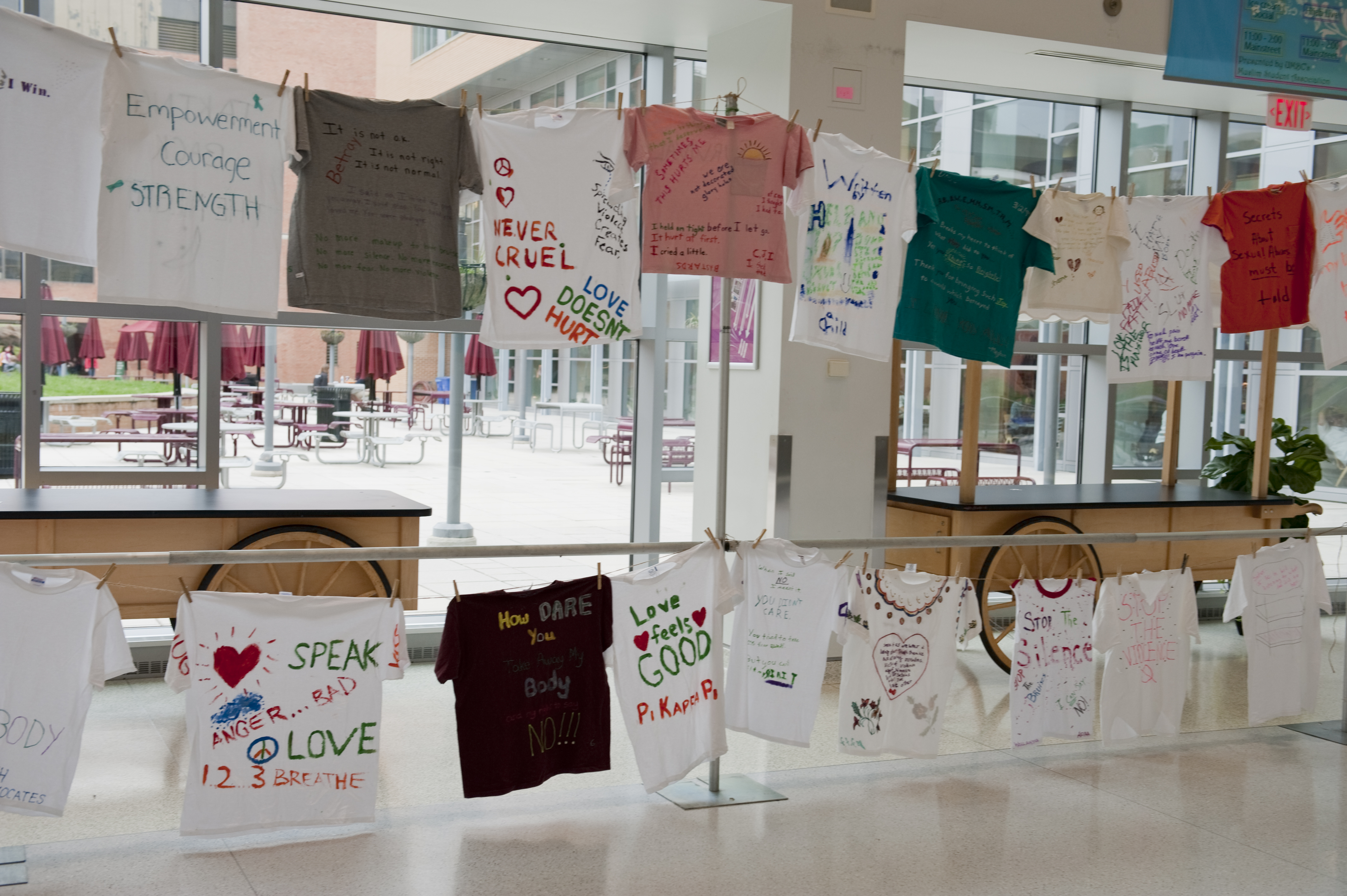
Project Clothesline is a nationwide project that documents the experiences of survivors of sexual abuse and assault. Survivors and people who knew victims make T-shirts about their experiences. These shirts are then displayed publicly to highlight the issue of violence against women.

Project Clothesline at UMBC

Project Clothesline at UMBC

The Women’s Center at UMBC takes part in this project. The shirts are displayed twice a year. During relationship violence awareness month in October, and again for sexual violence awareness month in April. I saw the clothesline last year, and it really hit me.

Continue reading