I’m so terrified of drugs and alcohol to the point that I don’t do any of them.

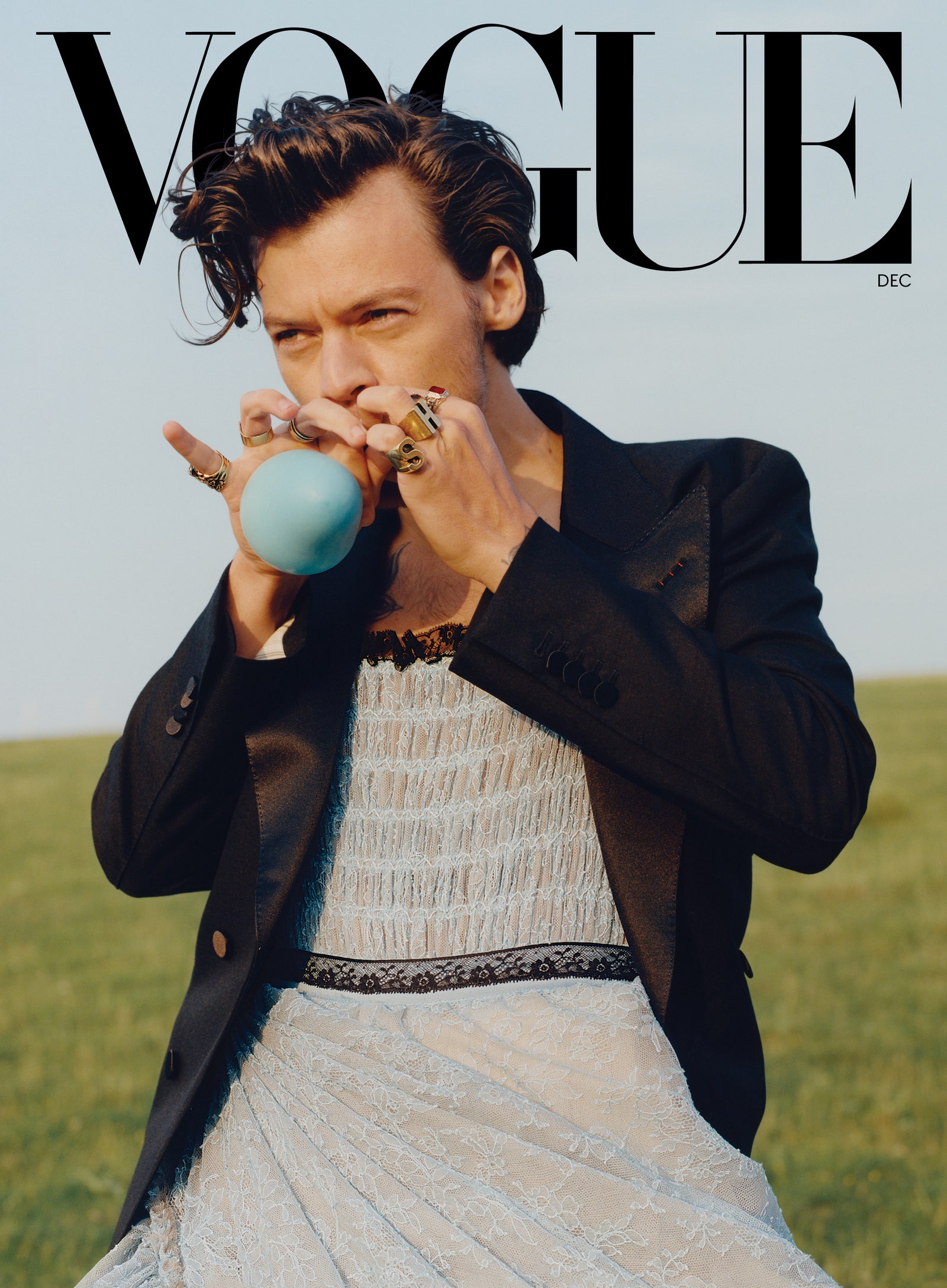
I can’t decide what to write about. This is my struggle with every blog post because I have so many ideas but I always want to make sure I make a post that is appealing, relates to class, and has a clear purpose. This time around I was debating between tracking my period symptoms, Harry Styles and masculinity, an annoyance with getting birth control, or WAP. However, I have chosen to just write about my indecisiveness because 1) I could not decide on what to write, 2) this seemed easy to write about, and 3) I just want to get this assignment done because I have about 20 other assignments between me and the end of the semester.
Content warnings: I use humor as my method of expression in this piece and I actively make fun of my body image.
Trigger Warnings: sexual assault/rape, body hatred, gender dysphoria, body dysmorphia, abuse
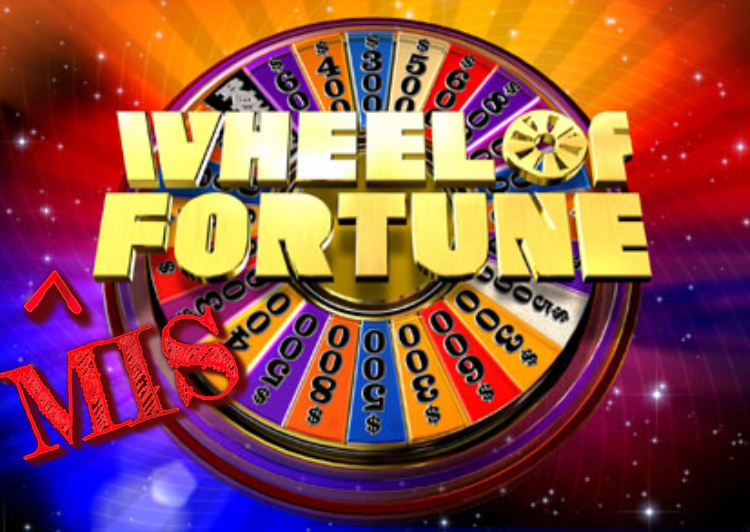
Have you ever felt complete and utter shame in your body but for the life of you, you couldn’t put your finger on what was causing it? Do you have too many conflicting thoughts telling you different ways about why you should hate your body? Well maybe you’re experiencing what I am! I like to call it the Wheel of Misfortune™! A totally fun yet confusing game of dysphoria!
Continue readingDriving is more than a form of transportation; to me, it is often a time to become fully enveloped in my thoughts and feelings. Being alone, in control of where I’m going, and with no outside distractions is extremely freeing.
Continue reading
From a young age when children start pre-school, teachers enforced upon us a timeline in which we are supposed to go to grade school, attend college, and then either continue professional school or get a job. We are taught that school is very important and that it is all about getting good grades and being the best.
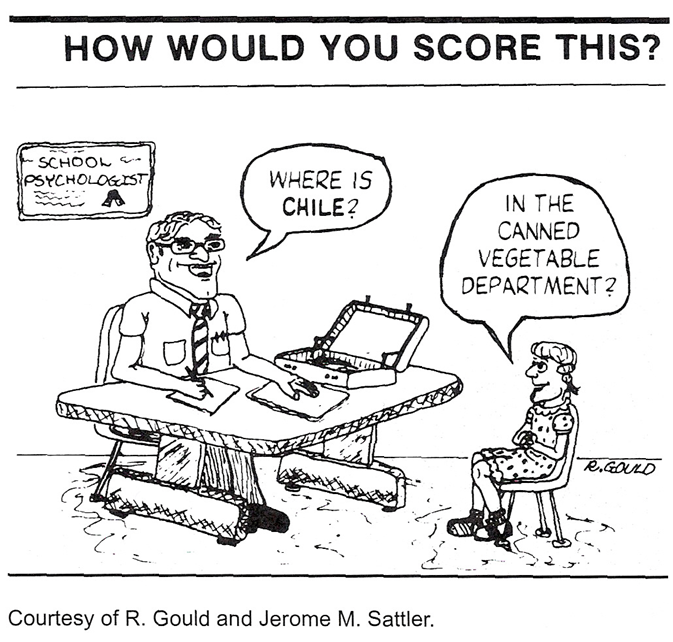
Being a South Asian student, I do know about and have experienced the stereotype that “Indians are very smart especially in math and science”. Ironically, I was really good at math. Not because I was Indian, but because I worked hard for it. Growing up I was always at the top of my class in elementary and middle school. I got straight A’s, had perfect attendance, and was on the principle’s list. This all changed from the moment I stepped foot in High School. I went to an all magnet school and quickly realized that I was surrounded by smart people. I started to feel the pressure of being South Asian, also of being a legacy, and constantly felt like I was being compared to the other Indians and their smartness. For some reason students just looked at me and believed I was super smart.
But what does being “smart” even mean? What determines if one is “smart” or not?
High school teachers and councilors emphasized that your GPA and SAT scores were the most important thing in order to get into college. “They also look at your involvement but your numbers are the most important”. After hearing that I thought, so basically my stats are going to determine if I go to college or not? If a student got straight A’s and had a 4.0 GPA as well as above average SAT scores they were considered “smart”. Unfortunately those who had a 3.0 and around average SAT scores were not considered “smart”.
I like to consider myself a figure that proves this ideology wrong
I have personally experienced and seen many cases where a student truly is smart but is not seen that way because of the way their stats (GPA, exam scores, etc) determine them. There are many factors that play a role in a student not receiving the grades or scores they deserve, such as test anxiety, not able to work well with others, or simply just not liking school.
I came to college as a Pre-Pharmacy and Biology major, but little did I know that was not for me. All the stem classes were based on exam grades. Having major test anxiety those classes did not go so well for me. I found myself studying super hard and thinking I knew the information but not getting the results that I wanted. At a point in time I considered myself stupid because I would score so low compared to the other students in my class. I switched majors and finally found what I was interested in. I suddenly started to due well not only on the exams but in the class overall. I thought to myself, how did I let poor exam scores and a bad grade determine I was stupid?
This brings up another topic that seems to be controversial when it comes to getting an education.
Kids from a young age are taught to go to college and THEN get their dream job. But why?
Does college even prep you for the outside world and your dream job (unless you’re a pre-health student)?
Why can’t you simply just find a job and follow their trainings in order to learn the techniques?
Students are paying thousands of dollars, taking out loans, and making sacrifices to get an education and a degree that sometimes does not necessarily benefit them in the long run. Colleges do not teach students about stocks, how to manage their taxes, how to efficiently save for retirement, when to buy a house or car, or how to manage their bills and pay for insurance. Students never have to apply the quadratic formula, know the cell theory or the chemical component of a protein to live a normal life.
So are we, students, attending college and getting these scores and grades that are supposed to determine how smart we are, just to step into this scary world unprepared?
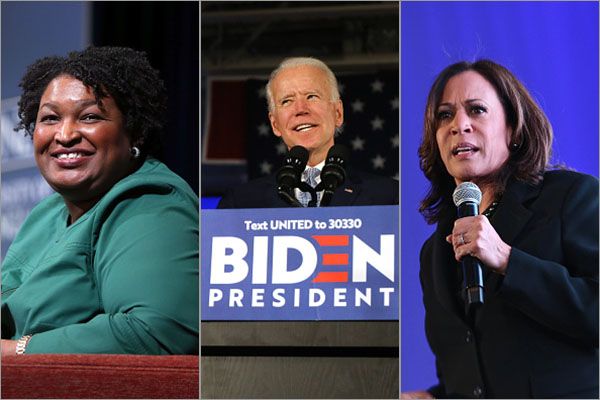
Last week we witnessed the race for the election of the 46th President of the United States between Donald Trump and Joe Biden. Ultimately, and despite what Trump and his supporters are still denying, Joe Biden and his running mate Kamala Harris were announced the projected winners. For this blog post, I wanted to focus on Kamala Harris whose Vice Presidential win has been celebrated as a historic victory given she is the first woman, first Black person, first Asian person, and first Jamaican person to serve as the Vice President of the United States. She is also being celebrated as an HBCU grad, specifically from Howard University which is considered the mecca of higher education in the Black community. At the end of the race we also saw a historic moment in Georgia which flipped from red to blue as they began counting mail-in ballots. This flip has been accredited to the dedicated work of Stacey Abrams, a Black woman politician and voting rights activist in Georgia who helped over 800,000 Georgia residents register to vote in the last two years in preparation for this election.
At the beginning of Biden’s campaign, there were discussions about who he would pick as his VP, especially since he stated it would be a woman. The possibility of Stacey Abrams being selected was discussed, but as we saw, Joe Biden decided to go with Kamala Harris. What is interesting to me is the juxtaposition of Harris’ and Abrams’ bodies/appearance and how they may have impacted Biden’s choice to go with Harris. In a class where we talk about phenomenology and unruly bodies, we can’t ignore the ways in which Kamala Harris’ “look” contributed to her win as Vice President alongside Joe Biden, especially when compared to who I would consider a much more worthy running mate, Stacey Abrams. Kamala is mixed race, light skinned, and thin with straight hair and racially ambiguous facial features. Stacey Abrams is dark skinned and plus sized with short kinky hair and clearly Black facial features. What do these different body types communicate to Democratic voters? Kamala is the physical embodiment of what many white liberals and democrats perceive as racial progress in America. The racially ambiguous person is almost always cast as the diversity character in TV and film. They check the inclusivity box of non-white without making white viewers uncomfortable. Kamala Harris makes white people feel like they are progressive supporters of Black women, while also avoiding making them feel too uncomfortable about having a Black woman leading alongside the President of the United States. It was very interesting to see white liberals put #BlackLivesMatter and #ACAB in their social media bios and then turn around and post cute pictures and videos of Kamala Harris who has a long career of jailing poor Black and brown people. If Stacey Abrams had that record, would she have even been considered for VP at all? Kamala’s win and the reaction to her win makes me wonder how desirability functions in a way that makes democrats completely disregard her violent anti-Black past in favor of being able to say they helped put a very conventionally attractive, light skin, Jamaican/Asian woman in office. Stacey Abrams dedicated her career to grassroots organizing, fighting against voter suppression, and even running for governor of Georgia, yet she’s not good enough to be Vice President and Kamala, who supports giving more money to the police that antagonize Black and Brown communities, is? Is it Stacey’s skin color, body shape, hair type that make her unfit to be Vice President? Because it can’t possibly be a flaw in her politics or her commitment to serving marginalized communities? My mind immediately sets up the situation like an audition for the role of Vice President alongside Joe Biden in the movie that is the American presidential election. In the casting call, they state that they are looking for a woman of color democrat. After several auditions, Joe Biden and his team narrow it down to Stacey and Kamala. Stacey’s resume is great. She’s talented, maybe even over-qualified and would do amazing in the role, but they question whether their target audience (young progressives) would like her. Is she hip enough for the role? Can they market the gap in her teeth and her kinky fro in a way that will make her everyone’s favorite character? Maybe not. Then there’s Kamala who has the education and formal training, but not much relevant experience. But she’s cool. She has swag. She’s a nice mix of Black and Asian, but you can’t really tell by looking at her. She’s can rock a pants suit but also hops of the plane in her timbs because she’s hip and will look good standing next to Joe in his shades. Fans will love her. So they choose Kamala…
We clearly see over and over again in entertainment, in politics, in interpersonal interactions, etc. how aesthetic proximity to whiteness can give one access to the privilege of being mediocre at the expense of those who are far from the white standard’s lives. Not only is Kamala undeserving of her position in my opinion, along with Joe Biden, but her being there contributes to the continuation of anti-Black violence and oppression. But we’re supposed to celebrate because she’s the first woman of color who gets that power to do so. Another point I’ve seen discussed since Kamala’s win is the fact that she is not a descendent of people enslaved in North America. While her Jamaican ancestors may have likely been subject to colonialism and violent white supremacy, her history does not include the specific trauma of being an enslaved Black person in America. It’s interesting to consider that fact when she is being upheld as the symbol of Black American progress. To sum up, Kamala Harris is a perfect example of just how powerful colorism, fatphobia, featurism, and desirability are even in a decision to choose who is the best vice presidential candidate of the United States. Maybe we just can’t expect truly radical change to happen within the systems we are trying to eradicate.
cw: an image featuring trumps face
Existing as a queer and trans Pakistani immigrant under the Trump administration has been one of the most exhausting things I’ve gone through. I came to the US when I was only 10. Now, as a 27 year old, I still do not have citizenship and the rights and privileges that come with it. This has been directly due to the immigration policies made by USCIS under the command of the Trump Administration.
Continue readingTW: transphobia, homophobia, biphobia, dysphoria
“I fell in love with a woman,” I distinctly remember my (then) fiancé saying. That was back in early 2019 when I told him I was beginning to question my gender identity. I mentioned that I might consider taking testosterone someday in the distant future, and that’s when he blew up. If I wasn’t going to be a woman, then he didn’t want to be with me, he said. Soon after having that unpleasant interaction, I received a package I had ordered, which sounded like they could be pills. “Is this testosterone?!” he accused angerly. The exceptional fury took me by surprise. I told him that, no, it was not in fact testosterone pills (do such things even exist?), and opened the package to show him.
Continue reading
Sex. In media it is a common theme, in movies and in tv shows. It is not only sex but also sexualized images that we see on a daily basis, these are things that we accept as normal. However, speaking of one’s own sex life feels awkward or in some cases wrong.
Continue reading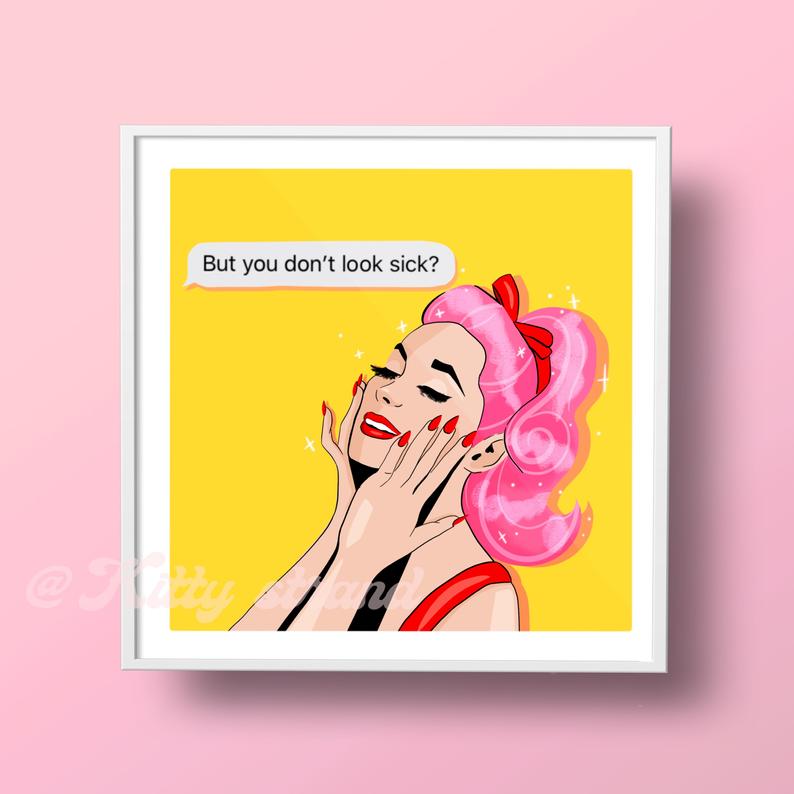
My younger Sister suffers from a chronic illness, and has been for most of her life. There wasn’t a day within the last 10 years, at least, where it didn’t affect me, as her older sister–her protector, or my Mom–her caretaker, and her advocate and most importantly her. It has been debilitating for our family–in terms of our relationships with one another, her success and wellbeing, overall stress, and her future. I want her to be happy, I want her to live her life to the fullest, I want to see her grow, I want to see her laugh without masking herself… I wish she didn’t have this extra obstacle–I want my Sister.
Continue reading
