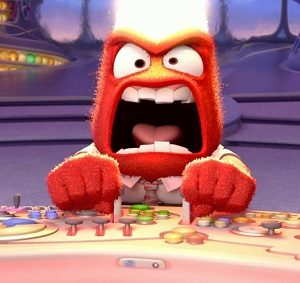
Depicted is the character of “Anger” from the Pixar animated film Inside Out (2015). A short, red, square-shaped character with flams bursting from his head as he screams in rage.
Continue reading
Depicted is the character of “Anger” from the Pixar animated film Inside Out (2015). A short, red, square-shaped character with flams bursting from his head as he screams in rage.
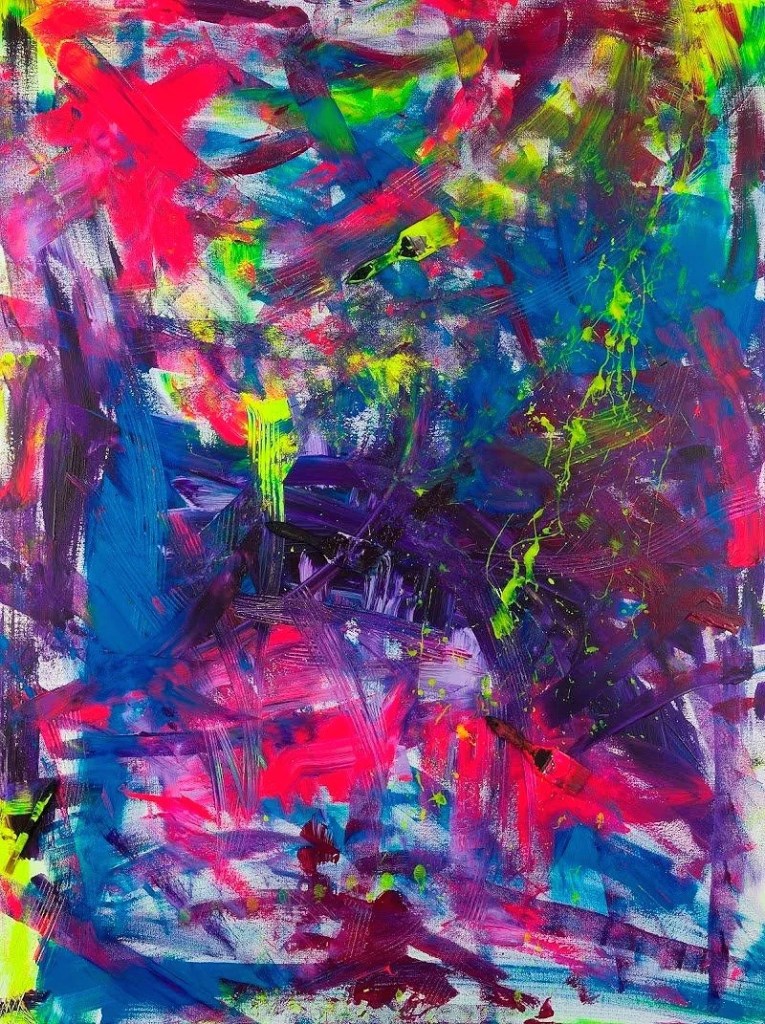
Continue readingThe image above is an untitled UV acrylic painting by Cecile Lobert, an autistic and non-verbal painter. Every autistic person deserves to have their story seen, not just those of us who communicate through traditional methods. Cecile may not use words, but she expresses herself vividly and gives us insight into her life that others cannot do for her. She uses textures, colors, and emotional depth that past and present messaging from neurotypical people leave out.
In 2009, a non-profit advocacy group called Autism Speaks released a nationwide PSA called ‘I Am Autism’, which featured a voiceover from the perspective of their personification of autism. Here are a few lines from the PSA:
“I work faster than pediatric aids, cancer, and diabetes combined
And if you’re happily married, I will make sure that your marriage fails.
Your money will fall into my hands, and I will bankrupt you for my own self-gain.
I don’t sleep, so I make sure you don’t either.
I will make it virtually impossible for your family to easily attend a temple, birthday party, or public park without a struggle, without embarrassment, without pain.
You have no cure for me.
Your scientists don’t have the resources, and I relish their desperation. Your neighbors are happier to pretend that I don’t exist”
Autism Speaks has since apologized for their PSA, but the damage has already been done. Like Chimamanda Ngozi Adichie explains in “The Danger of a Single Story”, people form lifelong beliefs about others based on the first stories they hear about a demographic outside of their own, especially if they never hear from the demographic being discussed.
16 years after ‘I Am Autism’ aired, the Secretary of Health and Human Services said in a nationwide press conference that autistic people will never be able to pay taxes, hold a job, write a poem, go on a date, or use the bathroom unassisted. If you are autistic and or have been emersed in neurodivergent spaces, you know that depiction is not true and certainly not whole. Even autistic people who experience the struggles described above, they can and do have vibrant, meaningful, happy lives. The Autism Speaks PSA and the HHS secretary’s statements are both centered around arbitrary lists of things they think autistic people cannot do, framing it as if not being able to do those things makes autistic people’s lives miserable and empty. These narratives influence the greater population’s perception of disabled people, which then influences policies and practices that harm disabled people.
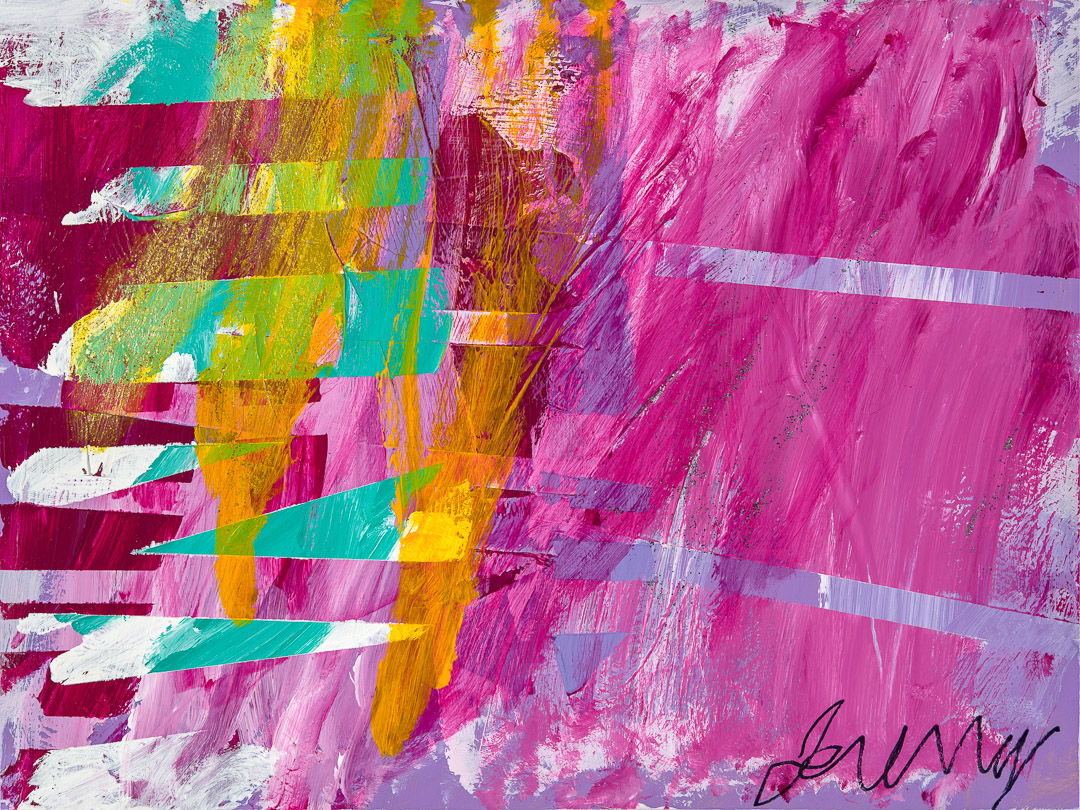
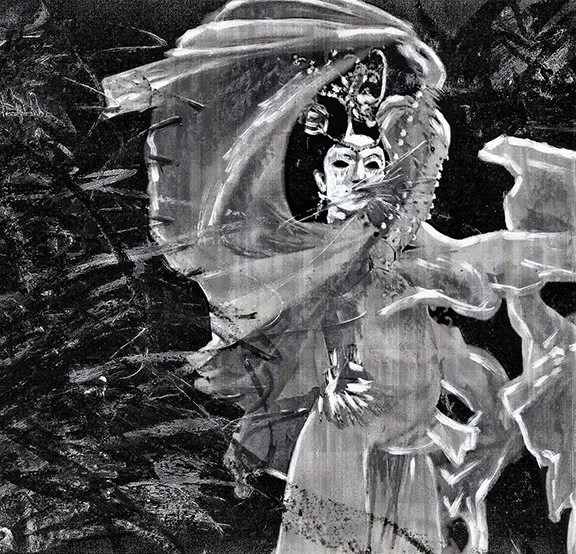
Below you can see more art from autistic artists. Seeing through their eyes rather than the scornful eyes of people who wish to eradicate autism gives them agency and a voice that is being stripped from them. I hope the depth, color, texture, and care put into these pieces allow you to see the depth and range of autistic people’s experiences and abilities which have been downplayed by people with a lot of influence and reach.
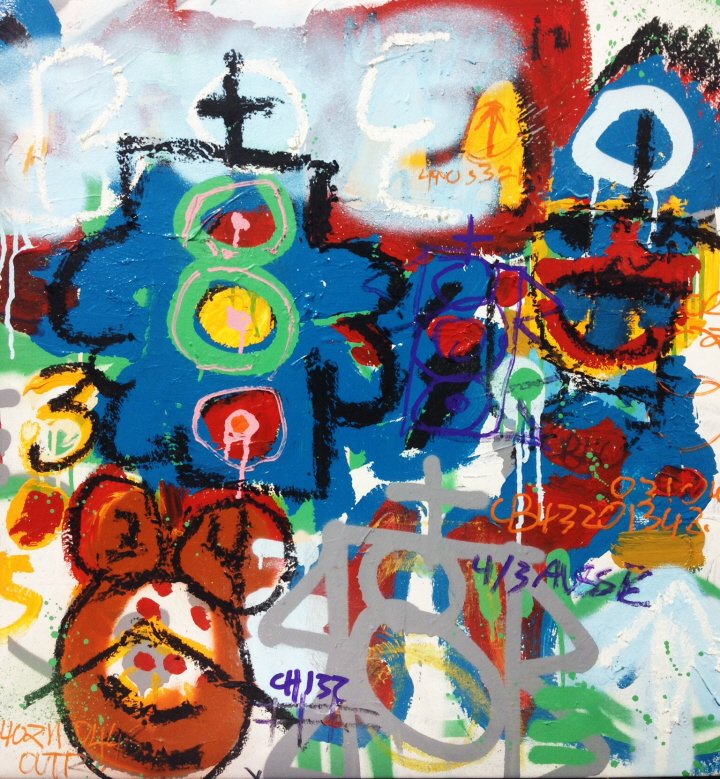
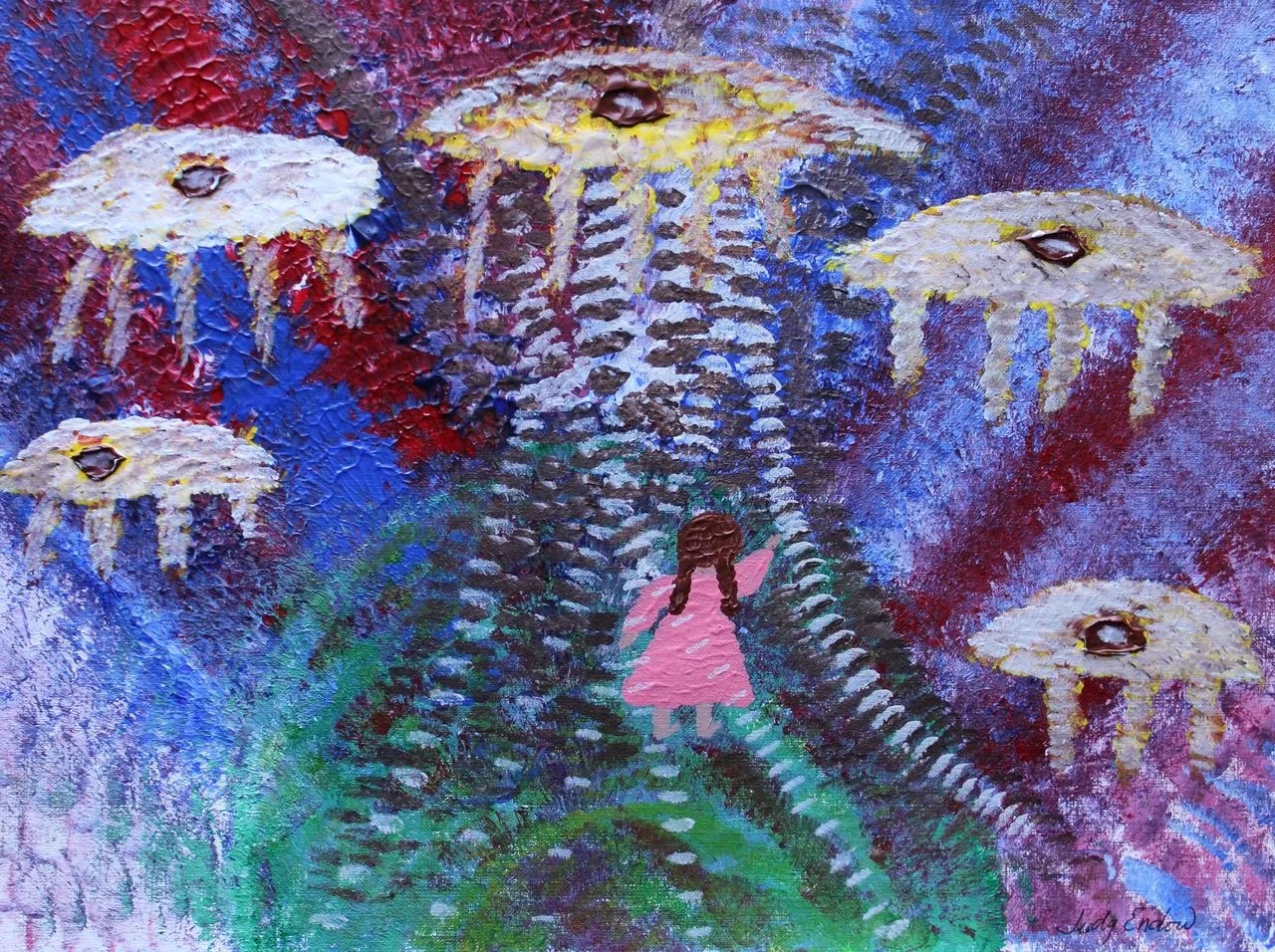
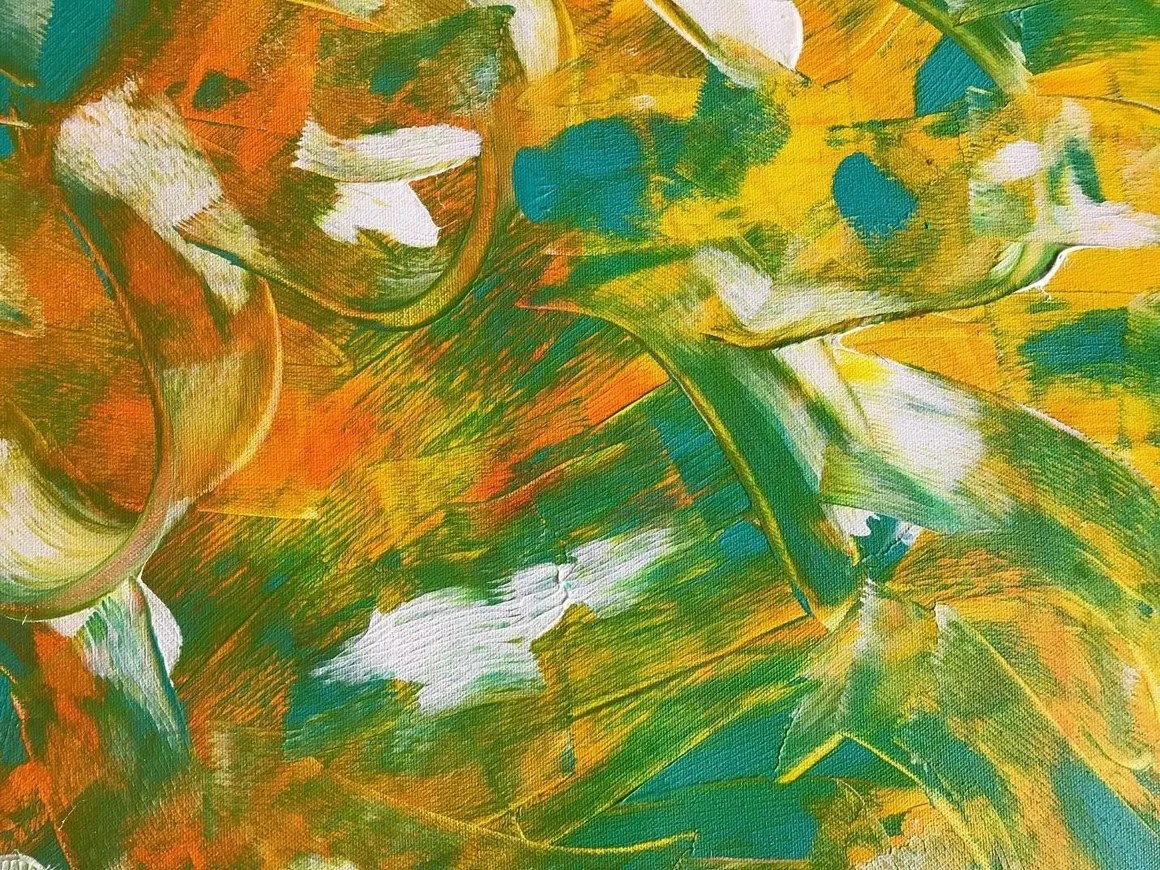
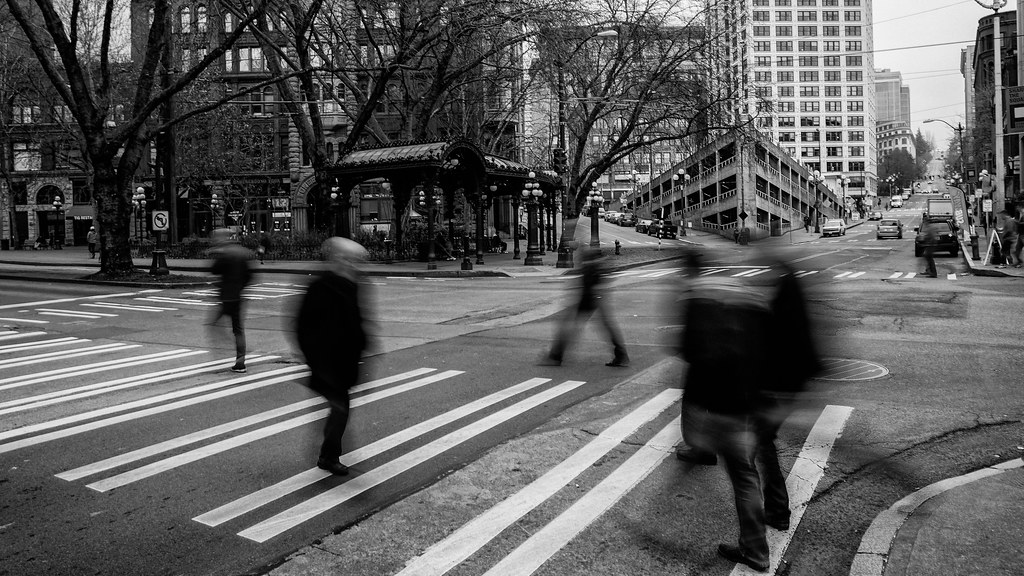
Bent, Bashed, Broken… I am nursing my own wounds.
I am stretched out wide but still I am shrunken & overlooked.
Sitting on a throne above the heads of many yet I look each of them in the eye.
I wipe their tears & I hear their cries.
They all want to know the secret of my dances.
Why choose to survive when oppression’s vice grip breaks my bones?
Why does my heart continue its dances?
How do I keep up when the earth never stops spinning while dancing rewinds the clock on my face?
The dances that define my divinity burn within a soul that sings the songs & rule the time.
In that time, wherever I stand that space is mine.
It’s there where the dances are done, & in that space my soul’s songs are sung.
Spinning and Swirling I reach high with hopes of experiencing a new feel & don’t worry, I will.
A remarkable existence if I must say.
An adaptive sway for the intimate encounters that pass by my way.
These are the same dances done by the fire’s flames.
I waltz the same waltz that puddles waltz when it rains.
My tears are called resilience & my beads of sweat are named endurance.
You can master the secret of my dances. Watch me give you reassurance.
The messages might escape you but it’s not of your choosing.
The secret to my dance, is to just keep moving.
 In this world there are good guys , and there are bad guys. That’s what the movies and television shows tell us. There is always a hero! Then reality hits. Sometimes there are no happy endings , just fewer villains. When watching these heroic figures on TV , you’ll see them having trouble defeating the biggest “bad guy ” in the world. Then the writers like to throw in a twist. Just when you thought the evil side has been defeated. They come back stronger than ever! Continue reading
I had never heard of the term, “Intersex” or never really knew that people could be born with both male and female genitalia. It wasn’t until when I took a human sexuality course that I got to learn about the intersex bodies. Intersex bodies seems to be this secret that people are too afraid to talk about, due to the gender identity gap that is associated with it. A lot of people who are intersex find it very difficult to speak about their body, because from an early age they were told not to talk about their body. Continue reading
In modern day America tattooing isn’t much of a taboo thing to do anymore nor is piercings but there seems to be a favor for taboo actions being more excepted on the white body. This also includes white bodied asians, latinos, and any white passing body. When race plays a part in our everyday actions it can create conflicts when whiteness is favored. Tattooing on the black body tends to have more negative remarks then it being on a white body (and when i mean white body i don’t mean only white people). Tattooing on the black body completing washes away what could be the artistic value, freedom of expression, and any other means of having the choice to do what you want.
So what does that mean for the way people of color (brown, black people, actual colored people) express themselves? It means that this fixed lens that we are living, this white lens only allows us to favor artistic expression of the self on the white body because of conditioned thinking like “white is right”. We may not do it in a conscience state but sub consciencely we are still perceiving what the black body in an undermining way, in a way that prevents black bodied people to feel unconformable expressing themselves fully. Being in a black body and in a world that views life through a white lens does fog up what people of color have to offer to this world. We are living in an under world that tries to seek for constant freedoms and liberation, having control over ones body is a huge sign of control of the self but then thats being disturbed by other beings that are conflicted with fear they don’t know how to oversee.