
Depicted is the character of “Anger” from the Pixar animated film Inside Out (2015). A short, red, square-shaped character with flams bursting from his head as he screams in rage.
Continue reading
Depicted is the character of “Anger” from the Pixar animated film Inside Out (2015). A short, red, square-shaped character with flams bursting from his head as he screams in rage.
Continue reading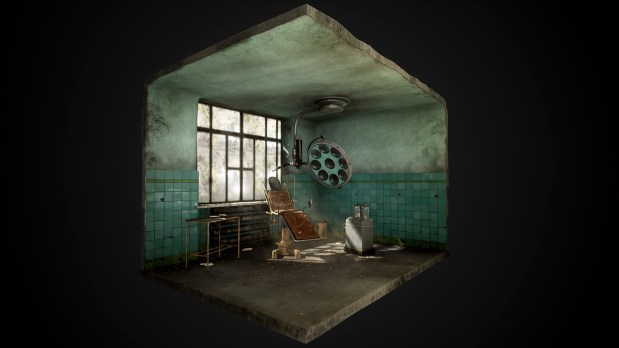
Why me? I ask myself this question everyday why was I born so sick? Why was a born with these mental and physical struggles? Why do I feel so different like I don’t belong here? Why did I not die a birth? Why did I live instead?
These are things that I ask myself when my depression/ anxiety speak for themselves. I fight them back every day each day goes by it get a bit easier since starting therapy and getting medicine. Even so it still a fight, I for so long was afraid to seek help due to being suicidal I was afraid they would lock me away and throw away the key, like they do to so many others. I had personal connection to this fear my mom had an aunt who was sent away to the mental hospital back in the late 60s, to this day no one has any idea what happen to her once she was sent away no one heard from her or saw her again. This is something that is not just history it still happens to people today, but no one know or speaks about it. This why many people fear asking for help they don’t want to be taken away thrown in a hospital and have all their basic human rights stripped from them.
Solitary confinement is a cruel/inhumane punishment they put not just prisoners through but also those with mental struggles. They say to protect them, but it is to control them this does not help a prisoner reform nor help someone with mental health recover it only make these issues worse. Although has been some improvement but nowhere enough and it only improved for those of certain class and race.
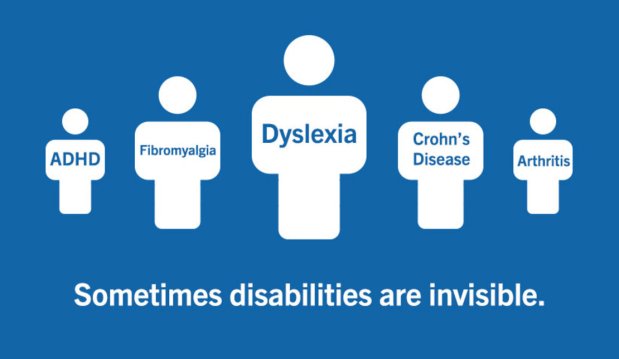
ng disabled in any contact in a non disability friendly society is hard. I would be classified as having a disability that is not visual. I have learning issues and was born with medical issues to the point of needing a liver transplant at the age of 2 and needing my spleen removed in 11th grade in 2013. This is not visible but due to these health issues I have always been behind my grade level. As for many if not all people who have any type of disability, people tend to give you “pity” or praise for doing the simplistic things. Although most times it is people trying to be nice it is dehumanizing and hurts/irritates me and many others. The documentary we watched is nice being able to have somewhere to go where you can be yourself since when you are disabled you are often not allowed to have the same things or experiences the same thing as a “normal” person. As for myself not having a visible disability I was not shield from these opportunities but at same time this is complicated because it was not as noticeable I was not offered the help I needed when I was young would never really get much help until I was in my late 20s when I had advocated for myself it even still I feel I am not completely diagnosed therefore do not get all the help I need but i have unfortunately accepted I will never be able to truly know what it like not to struggle so much intellectually, mentally or physically.
Even with my accepts of my situation I think it is important to unite together to change things for the better for the next generation, like how they did in the video the civil right activist and black panthers helped those in the disability rights movement because they both had a goal in common of wanting to be treated equal and treated like human bringing and not monsters who are less then.
The use of imaginative language, metaphors and similes in writing, particularly for minority communities, is one of the most prevalent forms. But, why? Why do the experiences of a queer person have to be compared a fictitious creature or an inanimate object at an attempt to be heard? And more importantly, why are the only people allowed to speak directly in the first person and still be understood white men?
Continue readingAs a college student, I’m constantly juggling classes, assignments, and part-time jobs, and I often feel like I’m being pulled in a million directions. It’s exhausting, and I sometimes find it hard to keep up with everything. Beyond my studies, I want to be there for my friends and family, but it often feels like I’m barely keeping my head above water. Lately, I’ve been thinking a lot about how work and health are connected, especially as I prepare to step into the workforce. The transition to independence is daunting, and one of the biggest challenges I face is figuring out how to take care of myself amid all the chaos. Unfortunately, essential topics like nutrition, stress management, and work-life balance are rarely taught, leaving me to navigate them on my own.Reflecting on the history of labor in the United States, I realize that the fight for workers rights has been long and difficult. Over the years, labor movements have battled for fair wages, reasonable hours, and safer working conditions, paving the way for healthier workplaces today. But after reading “Made by the Work: A Century of Laboring Bodies in the United States” by Ed Slavishak, my perspective on the human cost of labor has shifted profoundly. Slavishak dives deep into the harrowing experiences of early 20th-century workers. It’s hard to fathom that laborers in steel mills and coal mines faced daily dangers and grueling conditions, with their bodies treated like mere tools for productivity. One statistic that struck me was that over 25,000 workers died every year from workplace accidents. That number is staggering and heartbreaking. It hits close to home for me because it makes me think about how easy it is to overlook the sacrifices of those who came before us, who were seen as expendable and pushed to their physical limits until they broke.
Sitting in my cozy dorm room, surrounded by textbooks and my laptop, I feel a mix of privilege and guilt. I belong to a generation that, for the most part, doesn’t have to face such dire conditions. It’s easy to take that for granted, especially when I’m so consumed with my own struggles. While my working environment is much safer, I can’t help but feel frustrated by how companies historically handled safety or neglected it entirely. They placed the burden of safety on workers, insisting that “the best safety device was a careful worker” (p. 152). That mindset is infuriating because it shifts the blame onto the very people who had little control over their situations.As Slavishak points out, corporate safety campaigns “shifted responsibility to avoid the costs of updating machinery or improving ventilation” (p. 152). This is maddening. It reminds me of the pressures I face in college. I often feel that I’m expected to power through exhaustion or even illness just to meet deadlines. I think about how many workers today might still feel that same pressure to sacrifice their well-being for the sake of productivity.Learning about unions and workers’ compensation laws has given me a profound respect for those who fought for workers’ rights. They understood that workers deserved to be valued for more than just their output, advocating for crucial things like life insurance and compensation for injuries. Slavishak notes how the insurance department of the Amalgamated Association of Iron, Steel, and Tin Workers directly asked its members, “What are your chances of living twenty more years? Can you afford to tempt fate?” (p. 153). That question resonates with me. It makes me think about the importance of community and looking out for one another in college. We’re not just isolated individuals scrambling to succeed; we’re part of a network that can uplift and advocate for one another. As I navigate my college journey and prepare for the future, I’m reminded that the fight for dignity in the workplace is far from over. It’s not just about securing a job; it’s about creating a work culture that values us as whole people, not just for our productivity. Reflecting on the struggles of past workers fills me with a sense of responsibility to carry their lessons into my own life. Balancing everything can feel overwhelming at times, but I know that by supporting each other, we can work toward a future where every worker is treated with respect not just for their labor, but for their humanity.

