
Something that I deal with on a fairly frequent basis from my family are expectations that are not privy to my knowledge. I have the habit of doing the same to them and feeling justified in doing so without even thinking. This is a habit that many people have towards those who are close to them but it’s fair to say that we all hold it for each other as well. We have an idea of what the “right thing” is and oftentimes judge others and treat them differently for it. But what about when that “right way” only exists in your head.
Continue readingenvironmental justice
When Will the Ouroboros Run Out of Body-Length to Eat?
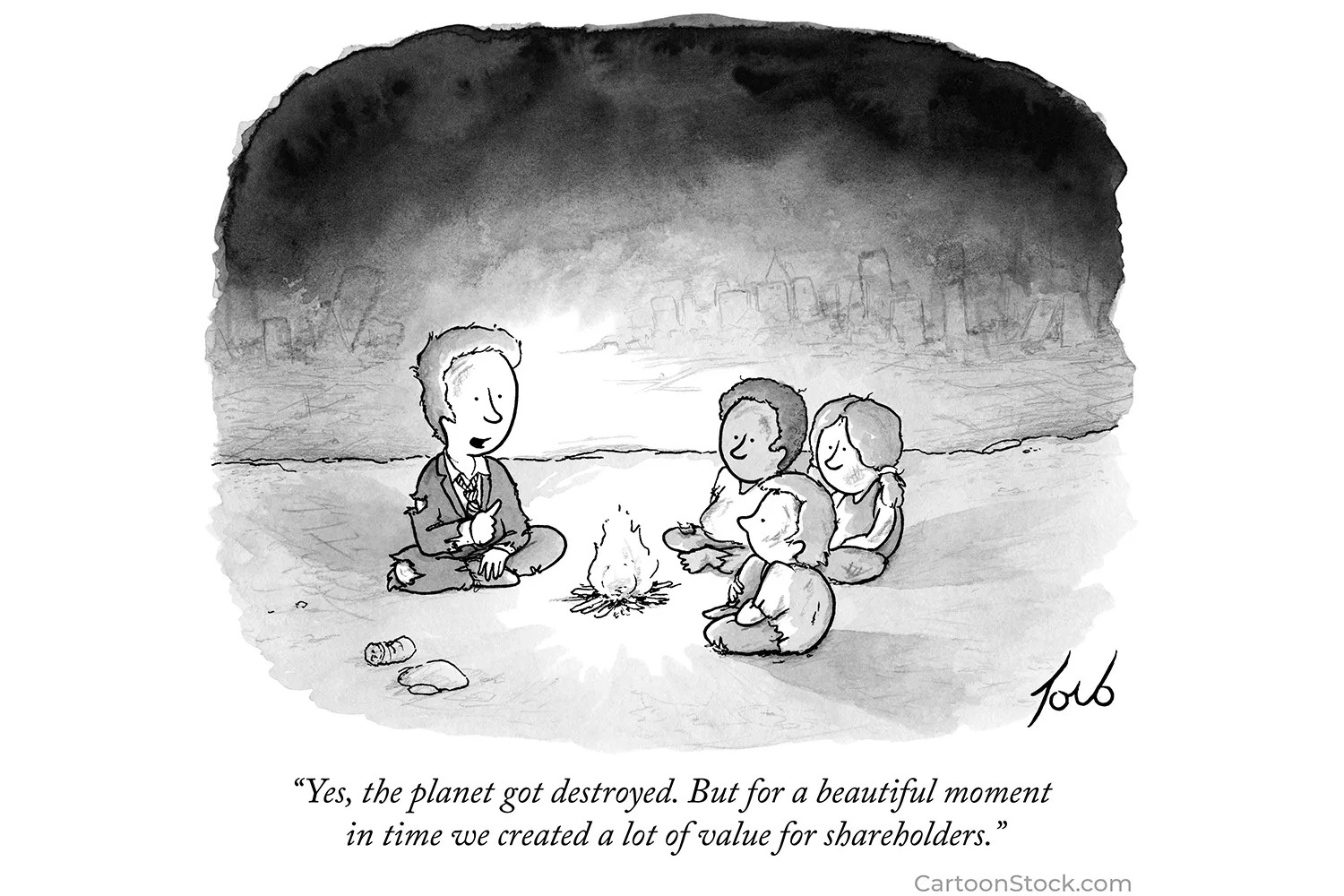
Our system postures itself as a beneficial ouroboros; one is led to believe in the presence of infinite resources fit for infinite consumption, yet one can look beyond this façade and see that individuals who rank power and profit above all else have been devouring those deemed unimportant or undesirable. Within the false notion of never-ending resources, one can see a paradox in which abundant resources suddenly become scarce when those outside of a particular group request them. It has been declared that our society cannot have free healthcare, clean air, timely cures for devastating conditions, affordable housing, public health measures, food for hungry children, or the absence of war because it is too expensive or difficult.
Beyond this excuse, one can see that the most likely reason for withholding and denying is that many of these protestors’ demands would not generate sufficient profit for the right companies, nor would the outcomes conform to the prejudiced worldview that has kept the systemic divide alive and well for centuries. As such, numerous causes do not receive attention until a problem becomes so impossible to ignore, so popular, that one may wring profit and control out of it. We produce reusable straws at the detriment of many disabled people, greenwash products made by grossly underpaid workers, and tout ‘personal carbon footprints’ in an unwalkable society, yet the majority of polluters are allowed to continue.
How loud must one be in order to be heard by those in a nearly soundproof box? How visible to be seen through the frosted glass wall that surrounds us? There is a highway barrier between the suffering and the indifferent, built by those who seek profit and power. Even in the places where this barrier crumbles, one is conditioned, either through excess exposure that rots one’s ability to fully see the magnitude of it all or dismissive falsities meant to cloud one’s perception, to see one’s suffering and look away. Those in the figuratively often-less-dangerous slow lane are told that those stuck in the fast lane are to blame for the highway, for its traffic and danger, forgetting that we are all trying to safely reach the same destination while those who built this system fly overhead.
Foucault and Environmental Justice
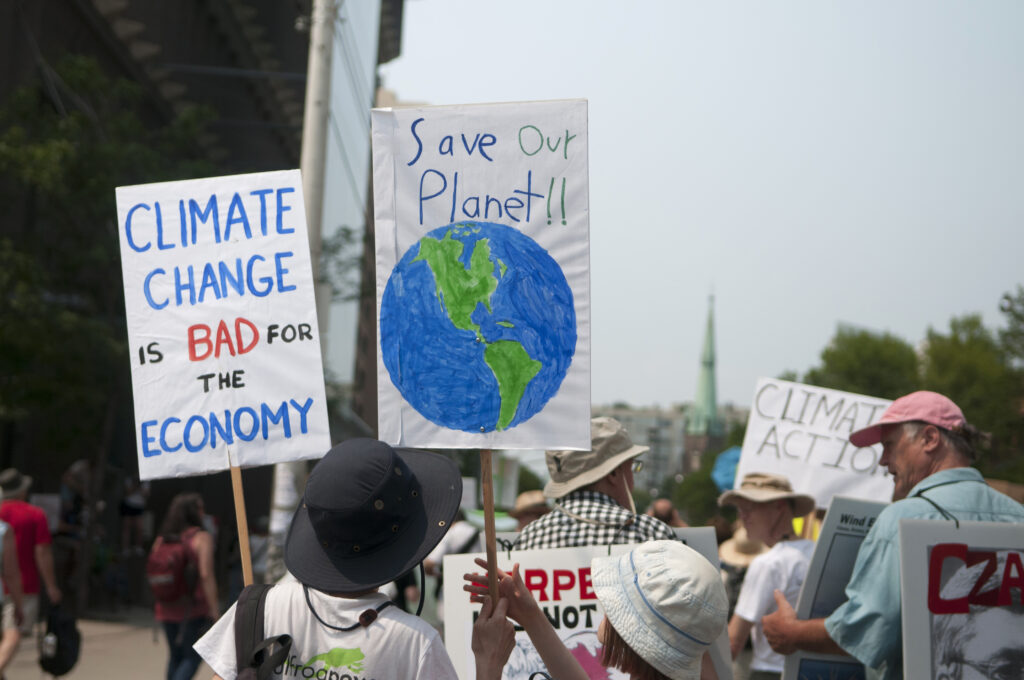
This semester, I’m taking the course Environmental Justice. Although I wasn’t quite prepared for the amount of reading I’d be doing this fall, I was pleasantly surprised at what we read for Week 4 – Nadia Kim’s Fighting for Breath in the Other LA, an introduction to the book Refusing Death. Kim’s work analyzes the intersectionality of environmental injustices through a framework explicitly including gender. Something that stood out to me, however, was her discussion of Foucault.
Read more: Foucault and Environmental JusticeIn Week 2 of Unruly Bodies, we discussed Foucault’s idea of biopower; the power of life and how it is controlled. Kim is critical of this concept, however. She argues that Foucault focused too heavily on biopower’s dimension of making life, and not enough on the ability to “let die”. She states, “[Foucault] does not tell us about a state that circulates deadly air.” (p27). Here, she proposes the term bioneglect, not to replace biopower, but to instead add to it. Essentially, the term bioneglect stands to emphasize the “…process of ‘letting die’ waged by neoliberal racial capitalism and the racial state.” (p27). What this means is, where biopower represents the power of life, bioneglect represents the power of discriminating against and neglecting life. Kim discusses how communities made up of low income individuals and people of color are targeted by bioneglect, leading to problems such as health disparities caused by higher rates of pollution, among other issues. This is perpetuated by the (in)actions of the government as well as large corporations.
I think Kim’s addendum to Foucault’s concept of biopower is important when discussing environmental injustices such as these in particular. The struggles faced through environmental injustices are inherently tied to our bodies and how we experience them, as the forces that control our bodies – whether they be large corporations and governments or on smaller community scales – also have the power to control the environment around us; they control everything from the policies we keep to the norms we follow, for better or for worse. The work we are expected and forced to do under capitalism is also directly intertwined with environmental injustices, as it is inherently unsustainable, though not through our own fault. All in all, I believe Kim’s concept of bioneglect is a useful addition to the conversation of biopower proposed by Foucault, one that is necessary to consider when trying to understand the full scope of the effect of larger powers on life.
Image source: https://www.sustainableprinceton.org/explainer-series-2-environmental-justice/

