
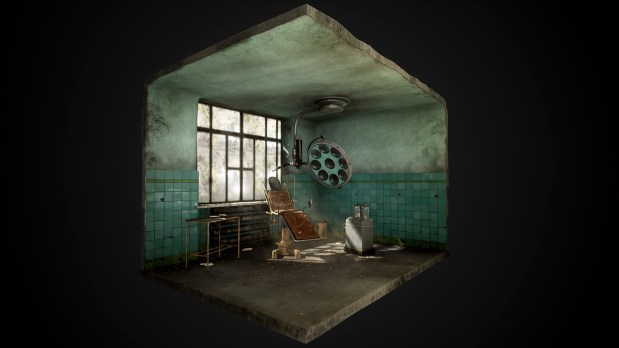
Why me?

Why me?

Why me? I ask myself this question everyday why was I born so sick? Why was a born with these mental and physical struggles? Why do I feel so different like I don’t belong here? Why did I not die a birth? Why did I live instead?

These are things that I ask myself when my depression/ anxiety speak for themselves. I fight them back every day each day goes by it get a bit easier since starting therapy and getting medicine. Even so it still a fight, I for so long was afraid to seek help due to being suicidal I was afraid they would lock me away and throw away the key, like they do to so many others. I had personal connection to this fear my mom had an aunt who was sent away to the mental hospital back in the late 60s, to this day no one has any idea what happen to her once she was sent away no one heard from her or saw her again. This is something that is not just history it still happens to people today, but no one know or speaks about it. This why many people fear asking for help they don’t want to be taken away thrown in a hospital and have all their basic human rights stripped from them.

Solitary confinement is a cruel/inhumane punishment they put not just prisoners through but also those with mental struggles. They say to protect them, but it is to control them this does not help a prisoner reform nor help someone with mental health recover it only make these issues worse. Although has been some improvement but nowhere enough and it only improved for those of certain class and race.
Solitary Confinement & Anti-Suicide Rooms

TW: sh, suicide

The Strike examines how solitary confinement in California prisons strips people of basic humanity by removing stimulation, color, sound, and, most importantly, meaningful connection. The documentary shows how incarcerated men organized a hunger strike after years, and sometimes decades, of being trapped in small, bare cells where even a moment of conversation became a form of survival. Many describe how isolation pushed them deeper into despair rather than keeping them “safe,” and how the lack of basic human rights made their mental state deteriorate.

Read more: Solitary Confinement & Anti-Suicide Rooms

While watching The Strike, I was struck by how closely some of those experiences mirrored something I went through this past September. I was placed in an anti-suicide room for six hours completely empty, colorless, and silent. There was no stimulation, no clock, no comfort item, nothing grounding at all. I remember crying and begging the nurses just to talk to me for even a few seconds, and no one responded. I had to use a makeshift toilet, and the combination of isolation and humiliation ended up making me feel worse, not safer. Similar to what people in the documentary describe, my thoughts spiraled in that environment, and I began thinking of ways I could harm myself using the room around me.

The documentary helped me understand that what I felt was not “overreacting”. It was a human reaction to a dehumanizing environment. No one should have to die in order to have basic human rights, and it’s appalling that someone did in order for the government to take the incarcerated people seriously.

Queer Brokenness: Intersection with Mental Illness

feature-470x260

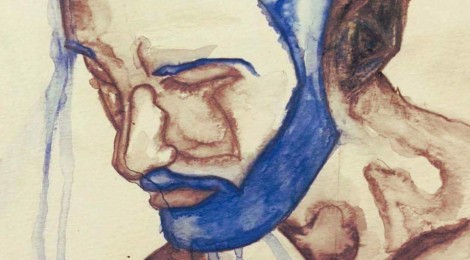
Image Source: http://trauma.blog.yorku.ca/2015/12/south-asian-queer-community-lacks-visibility/  (Artist – Jinesh Patel)

(Content and Trigger Warning: Self Harm, Suicide, Substance Abuse, Emotional Abuse, Intimate Partner Violence, Bullying)

.

.

I often find that mental illness and queerness aren’t addressed properly or constructively when talked about together. So often the public at large would have us believe that queerness is a result of mental illness or that mental illness is the result of queerness exclusively. With this in mind, the queer community will often push back on society’s behavior by talking about the two exclusively from each other, frequently ignoring all the ways mental illness intersect. That’s does not go to say that queerness is the result of mental illness or vice versa at all, but rather it shouldn’t be ignored that many people in the queer community go through both because of the way society has constructed and reacted towards queerness. For example, queerness has often been perceived as a deviant thing, it has historically been punished and worked against in a variety of ways. Continue reading