Are Men “Visual Creatures”?: A Discussion on Porn & Bioessentialism

TW//mentions of SA, porn addiction, objectification

One thing that really stood out to me in Throwing Like a Girl is how Iris Marion Young criticizes bioessentialism, which is the idea that men and women behave a certain way because it’s just “biology”. She shows how people explain things like throwing differences as natural, when they’re really learned through social expectations. It is similar to how people perform worse due to the stereotype threat, which is when minority groups tend to underperform on tests because they believe that they are not capable of performing well, leading to a self-fulfilling prophecy. 

I think that same logic of “inherent” or “biological” behaviors can be applied to how men justify watching porn by saying “men are visual creatures”, which is not based in fact at all. That phrase is so harmful because it makes it seem like objectifying women is unavoidable, instead of something that men are choosing to participate in. 

Read more: Are Men “Visual Creatures”?: A Discussion on Porn & Bioessentialism

Porn is extremely dehumanizing because it turns people, often women, into objects meant to be looked at, not individuals with complex life experiences who have their own agency. Young talks about how women are taught to experience their bodies as something to be watched and judged, rather than as something they fully control. Porn takes that even further by reducing women to their body parts and presenting sex as something women exist to provide. It trains people to see women’s bodies as products rather than as a part of an intimate and sacred human interaction.

The idea that porn allows people to “buy” consent is disturbing on its own as well. Consent in porn is always available and detached from real emotional or physical consequences. Sometimes consent can even be depicted as NOT freely given, and disrespected, as part of r*pe fetishes. Humans were never meant to have instant and unlimited access to sex like this, and pretending that it’s just “natural male sexuality” ignores how artificial and extreme this level of access actually is. The harm doesn’t just affect the person consuming porn, it impacts the women in it, who are often exploted, and women in the modern dating world that have to deal with unrealistic expectations and porn-driven violence and entitlement.

Just like Young argues, bioessentialism isn’t harmless. It is used to excuse behavior that causes real harm by making it seem inevitable, and vanishing accountability for those who are engaging in them. Saying “men are visual creatures” works the same way as saying “girls throw like that”. It hides socialization behind biology.
What Lies Behind a RBF

Little did I know when coming into college how many opinions were really out there regarding my resting face. Who knew that there’d be so many comments and concerns about me when I thought I was simply going about my day-to-day life?

I never thought much about the way that I looked while walking around, minding my own business in public spaces, but apparently, I don’t look as content as I may feel. I remember walking to Potomac Hall, where I lived during my freshman year at UMBC, when an employee from True Grits said, “Having a bad day?” I can’t exactly recall what I said or how the situation occurred, but I believe he followed with “You look mad.” This, of course, caught me completely off guard, and I’ve been aware ever since of how I come off in public spaces.

Truthfully, it bothers me most when my friends mention times that they’ve seen me out and about, unsure of whether I was doing alright or not. I also have a tendency to be ‘in the zone’ when walking about, so not only do I accidentally ignore my friends, but I do so with a certified ‘RBF.’ I always feel terrible and apologize, but times like these can’t help but make me laugh, as I know that my friends can see right through the RBF.

This ties into concepts from Iris Marion Young’s “Throwing Like a Girl: A Phenomenology of Feminine Body Comportment, Motility, and Spatiality,” and how women’s lives are often associated with confinement and enclosure. To those in public spaces who don’t know me personally, it’s probably easy for them to assume that I’m the closed-off, keep-to-myself type. Men may be quicker to assume from looking at my face that I’m not as happy as I actually am. So much is assumed about women based solely on their looks. While women certainly have a whole lot to be angry about, we don’t necessarily aim to visualize our feelings as we go about life on a daily basis.

Put a Finger Down…

Put a finger down if you got out of a five year toxic relationship that ruined your self confidence and body image so you spend a whole year rebuilding yourself and loving who you are just to find out your role model “loving” parents who were married for 30 years are getting a divorce because you learn that your father is actually verbally and physically abusive towards your mother and has assaulted your brother on multiple occasions. So you become the rock in your family and keep everyone grounded while the worst case scenario is going on around you. During this time period your mentally ill father tries to take the house from everyone threatening that everyone will be homeless so you and your brother brainstorm ideas on what you can do to keep the house, and come up with this brilliant idea that if you both buy the home together and buy out your father you will have somewhere to live with the small cost of being in debt for a long time. 

Additionally you are working a full time job and balancing a full time college student schedule during your parents divorce mess because your college loans never cover a full semester so it is your responsibility to come up with the remaining balance which is typically thousands of dollars and you don’t qualify for any kind of financial grants since you “make too much.” (aka 35k a year) So then you add on a paid internship which counts as a second job but this second job is located in DC so it is a farther commute then your commute to school which means you have to pay more in gas and tolls but bite the bullet because it is what you want to do for your future job so you try your hardest to not complain and to just be grateful for the opportunity. 

Continue reading

An Ode to Yonder City

Or; What is ‘here’ and ‘yonder’ in the home?

This week, one of the works that resonated with me was Young’s Throwing Like A Girl, and I looked back on my childhood. The part about ‘yonder’, the space outside of a girl, hit something different than we touched on in class.

Continue reading

The Safe Space

In class, we were learning about experience, about phenomenology. I understood that with our experiences we add in our senses (taste, touch, sight, hearing). I was honestly stumped on what I could talk about. I know that I have many different experience as a woman. But then I started to think about a specific place that made me feel safe…

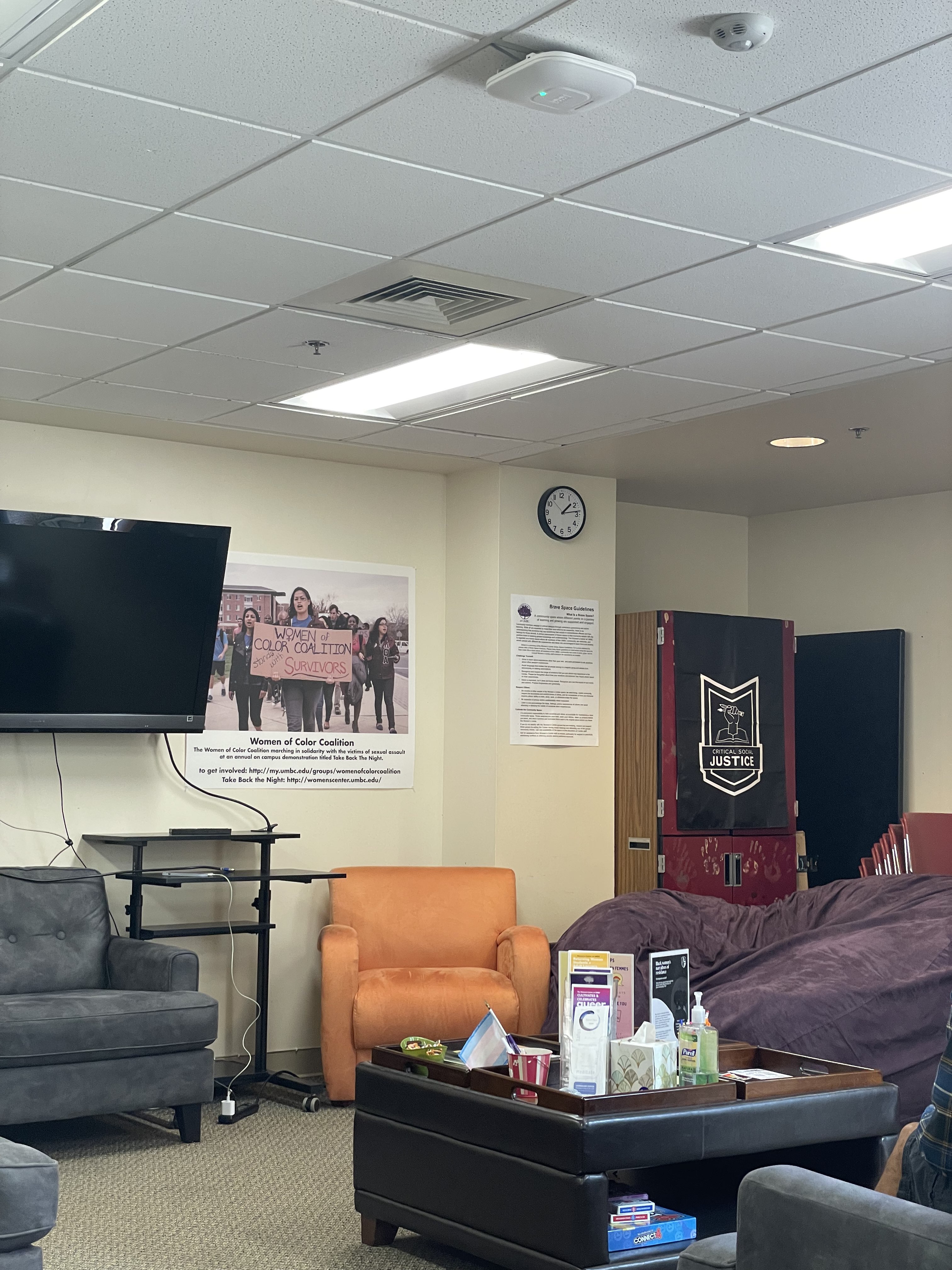
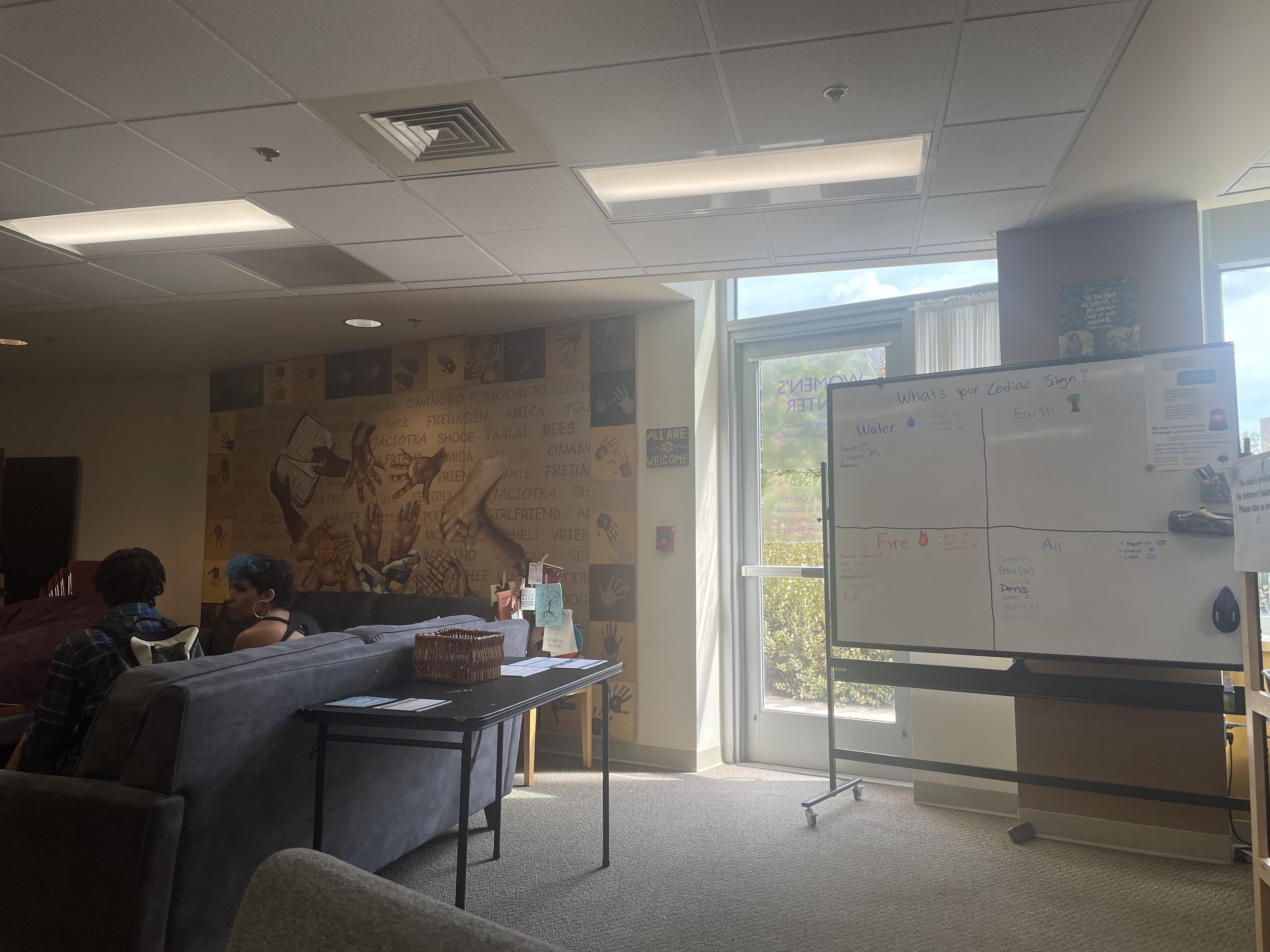
As a woman, I feel the constant stress of my body. But I’m not just any woman, I am a brown woman. The pressures of having to keep my grades up or being the perfect brown daughter who lives up to her parent’s expectations. Where would I go to decompress my feelings of doubt and anxiety? Where could I go to make the world go slow for a moment of peace and quiet? The Women’s Center. A home away from home. I can imagine the structure of the room as my safe space. You enter a room filled with posters of colorful affirmations, handouts of mental health awareness. Seeing the names and faces of those who work in the center makes it all that encompassing. I am always greeted with a welcoming smile by the wonderful staff who are ready to care for you. I see a prayer room for those who have no place to go, another for mothers to feed their children. I look to my right and see the many forms of aid. Did you get your period? Take a tampon or pad. As many as you need because your body, your UTERUS, is cared for in this center. Are you sexually active? Go ahead and take some condoms for protection because no one wants any STDs. Coziness is an understatement as you walk further into their center. The round table, to sit and do work or to relax while playing with a fidget toy from the fidget bowl. The hugging of many bookshelves enriched with stories of colored women, LGBTQ+ personas finding themselves, and in those books, a voice that comforts you. A “You are not alone” “You are accepted for who you are” here and there is what you’ll find. Towards the back of the room, soft couches for you to sit down and relax your aching womanly body. My curvy body type just melting away into the cushion, holding me and letting me rest. Are you hungry? Take a bag of chips from the food shelves. No one’s going to judge how you eat or how much. You won’t be judged for being a skinny to thick body type. Every woman is welcome here at the center. I was always scared to enter this environment not knowing that it was so peaceful.

 Why didn’t I take the risk of pushing that door open my freshman year? Maybe it was the fear of other women judging me because they felt it was their own space. Was it was the unknown territory that frightened me to my core? Or my shyness because of the people who worked there could see me grabbing feminine products. But now, it has become my home, my safe place for the rest of my college experience. Of course there are other places I consider my home, sometimes it’s not even places. It’s people. My boyfriend is my home, my comfort. He makes me feel imperfectly perfect. But then I begin to wonder, What about men? Where are their safe places? Do they not have a safe space because it’s uncommon? I wonder these things when I walk into the center. Of course men are welcome inside the center, but maybe men are intimidated by the space. I feel like they are intimated by those bold lettered words above the entrance of the door. Maybe they feel like they would be judged for walking in and taking their own time to decompress. I started to think about the people I met in the center, the conversations I’ve had. There was one girl, I’ll call her M, she had Nigerian parents, we had a 20 minute conversation about the freedoms being a woman in college. We talked about relationships, how her parents wanted her to date her own ethnicity. She wished her parents allowed her to do anything. But just because she was a girl, she wasn’t able to go out, even past her driveway. I honestly am happy that I had parents who trusted me even though I was young developing woman in a very dangerous world. She too had came to the center to clear her head. That was the first time in a while that I had been confident enough to start a conversation with a stranger. But being in that environment helped me bring out my extroverted side. I also think it was just the fact that I am able to talk so comfortably to women. I would encourage any woman to go there for any needs they desire. Whether it be to get a tampon or pad, or a place to relax. I hope that anyone who reads this knows that there are places to go when you are feeling down to no energy. So don’t be shy, don’t be afraid to step into that center, you won’t regret it 🙂

Reproductive bodies and Disabilities in Different Cultures

https://kerrythompsonblog.files.wordpress.com/2020/08/savingpng.png

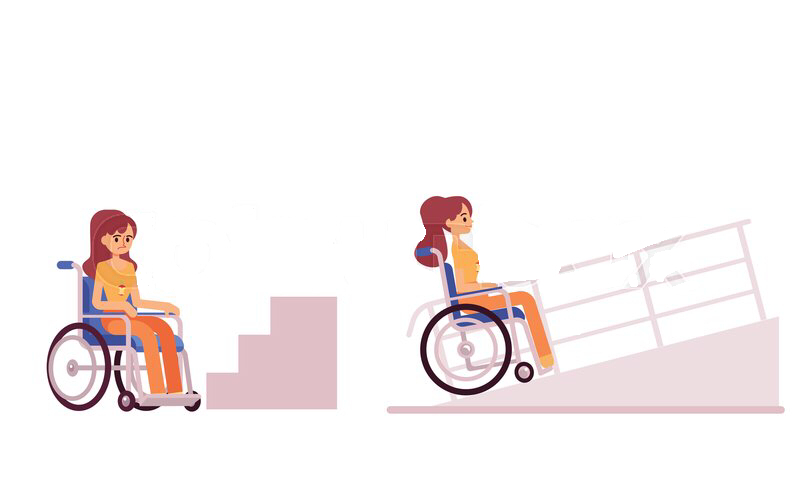
According to many cultures around the world, It is a woman’s “duty” to reproduce. In fact, many people believe that our sole purpose here on earth is to pop out kids and try to populate this planet. This view doesn’t even consider if the woman – who has to carry and deliver the baby – even wants kids in the first place. And If a woman chooses not to be a mother, she is not doing her “duty.” Like duty by said who? God? Not everyone believes in an eternal being with infinite power. It’s even concerning how some people wholly ignore how much work goes into having a child; all the sacrifices and attention to detail that a woman needs to have in order to deliver a healthy baby. I remember having a friend from Dubai who told me that the culture there in Dubai is very patriarchal, and it is the men who do most of the decision-making in the family. The woman is just his “wife.” His job is to look after the woman and her kids, and her job is to do housework and take care of the kids. This kind of thinking is a very traditional way to view gender roles. It is how cavemen view gender roles, where the men are tasked with hunting, and the women are to pick berries and take care of children. However, we can all agree that this view is outdated and it views women as if they are physically disabled, thus an “almighty” man is needed in all families to guide them and fill in the gaps that woman is unable to fill.

Drawing some examples from Baynton’s Disability and the Justification of Inequality in American History and the film Aftershock, women have been viewed as being physically disabled, at least that’s how Baynton wants us to understand them. He argues that a patriarchal society – like the one we have in America – views women as weaker, emotional, irrational, and thus inferior to men. This reasoning can explain why women are paid less than men despite taking on similar positions. This belief that women are irrational is the reason why women in some areas of the middle east are not allowed to drive or in some cases pick their lovers. This is a social disability that needs intervention because it can be crippling to the advancement and well-being of a lot of women in patriarchal societies.

Upward Spiraling Out of My Body Dysmorphia

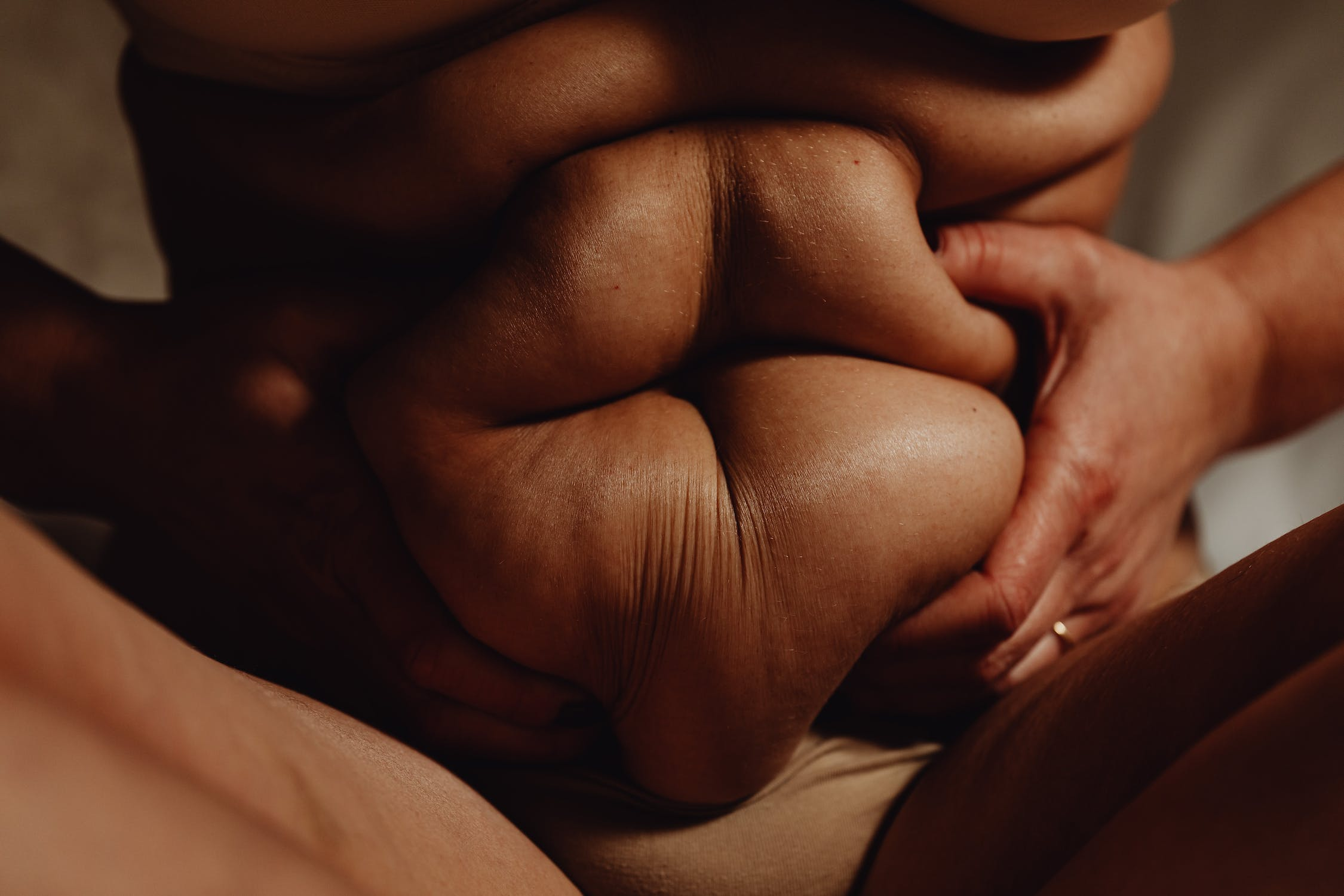
Image by Karolina Grabowska on Pexels.com

trigger warnings: body dysmorphia, suicide, mentions of disordered eating, illness

If you remember what your body looks like, I think you’re one of the lucky ones. If you don’t, then I’m not so glad this is what we have in common. Coming from an older West Indian family, my body was always a discussion. No matter how many soccer practices I showed up to, salads I ate, nor how well I did in P.E. class, whenever an aunt approached me it was always “You’ve gotten bigger!” Even throughout my adulthood my body has gotten bigger. I know I’m big, but I wish they knew that I didn’t need to be reminded every second of my life.  

I think it’s important to note that I wasn’t always fat, but I still struggled with food and dieting at a young age. Having to deal with cholesterol issues during elementary school was the start of my long, relentless relationship with food. I remember sitting in the doctor’s office with my uncle, his eyes glazed over, listening to every word my pediatrician said. My relationship with food not only originates in this moment, but also with my family’s history of heart disease, diabetes, and many other debilitating diseases. By the time I reached high school, my uncle had a coronary angioplasty, stent insertion, triple bypass heart surgery, and several other surgeries for various kinds of cancer. He never wanted me to suffer like he did.  

For as long as I can remember, my uncle micro-managed everything that graced my plate. There were even times we fought at the dinner table so he could see whatever takeout I’d brought home. The stress of bringing home any form of food that he would scrutinize started to transfer into other aspects of my life. In middle school I discovered how uncomfortable it made me feel to eat in public spaces. In high school I even went as far as to become the library aide so I could escape the daunting task of consuming food in the adolescent-filled cafeteria and tried my best to retreat back to the library every lunch break. The library was my safe haven, a place of structure for the moments where I felt the most vulnerable. This is still a habit I have today, I always look for security.

It wasn’t until my senior year of high school that I started my first romantic relationship. He was beautiful, smart, and even had a piercing on one ear that was the jackpot of my teenage girl fantasies. Being with him was the first time someone told me I was pretty. For someone that had only dreamed of having a boyfriend, that meant the world to me. I naively thought that feeling would last forever. As the pandemic raged on, and quarantine forced us into our isolated nests, there became an evident strain on our relationship. Still, we continued to stay with each other. I never noticed when his demeanor changed or that I couldn’t fit into half of my jeans anymore, or even that I was getting bigger than him. I made a huge mistake. You know that horrible mistake people make when they get lost in a relationship because they already have constant bodily validation? Yeah, that one. I gained the “happy weight”, I let myself go. People hate happy weight because being fat makes you feel empty and alone after a relationship. Nobody thinks that you’re attractive anymore and it feels like now there’s this huge responsibility that you have to get back to when you were skinnier. I fucked up.

Coming out of that relationship I became extremely depressed. I moved back in with my family, back to a space I never felt secure in. Endless nights spent scrolling through Tinder, a space where your body is always being perceived, felt completely invalidating. I was a completely different person. And I didn’t feel that way because I had loved and learned valuable lessons about navigating relationships, but it was because I was fat. Everytime I looked into the mirror, a devil appeared on my shoulder pointing out every flaw on my now monstrous body. It’s like my ego had turned against me. 

I didn’t want to live in my body anymore. I thought I was nothing without the comfort of another person telling me I was good enough. I can’t say that I never feel that way today, but I’ve worked on it. I’m not about to go on a spiel about how much it matters to love yourself, nor about how self-love is a journey and not a destination… but would love really be worth it if it meant that I had to be skinny, athletic, or fit any of the aesthetic qualities guys on dating apps wanted? Probably not. But I want to be better, because I know that the moments in between these feelings of doubt and despair are much more important than these superficial views of my body. Though, how I never saw myself changing is still a phenomena to me.

In the end, I’m still trying to upward spiral out of this feeling called body dysmorphia.

The Unspoken Truth about Working Out

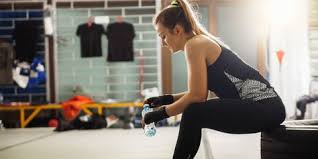
Girl feeling defeated at the gym.

Image from: https://www.netdoctor.co.uk/healthy-living/fitness/a26637/unhealthy-relationship-with-exercise/

Growing up as an Asian American, I always had a fast metabolism and never weighed above 100 pounds. No matter how much I tried to eat, I could never gain the weight. If I lost any weight for any reason, it was hard to gain it back. Medical professionals would tell me that I needed to “eat a cheeseburger” because my weight was not considered ‘healthy.’ I was not allowed to donate blood because I did not reach the weight minimum. I was tired of being told how ‘weak and small’ I looked, envying anyone with more noticeable curves or physical strength. I refused to take pictures for months, archiving my entire feed on Instagram and hiding my body as much as I could. I was sick of the body I was in. So in 2019, I began to research ways I can transform the way I look as quickly as possible. 

Continue reading

Why Does No One Hear The Screams Of Black Women ? (Patricia Hill Collins v.s R.Kelly )

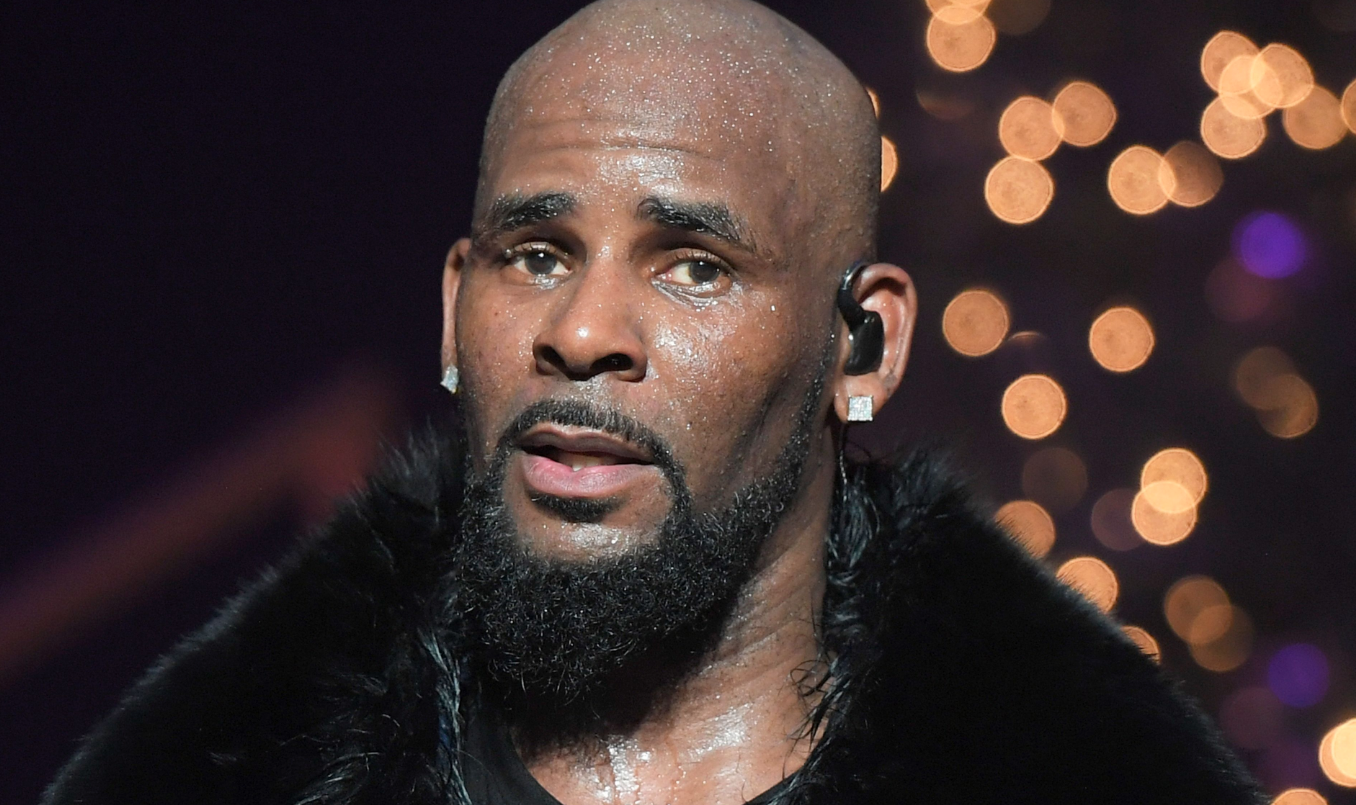
r-kelly-cellphone-video-sweat   Understanding the complexity of African American politics in today’s conversation of sexual violence is vital as the politics of this community shapes how the group responds to African American public figures (mostly males) committing these acts of violence. Recently the docuseries on the singer/songwriter Robert Kelly known as R.Kelly has revealed information about his past and present that shows he has sexually abused past partners and acted violently towards multiple women. This information is not necessarily new as articles from the 1990’s to the early 2000’s noted that R.Kelly had been  depicted Kelly as a sexual predator. In 2008 he had a criminal trial has he was being charged for child pornography but once again slipped through the public’s dismay and remained a loved public figure. This acceptance of people such as Kelly leaves me with deep worry as the women who he assaulted still live in fear and live without justice. Acts of sexual violence such as rape are looked over when the victims are African American women, we see this as the most high profile cases of rape have involved White women though “…approximately 60% of Black girls experience sexual abuse by age 18. According to a 2014 study, about 22% of Black women reported being raped and 41% experienced other forms of sexual violence.” ( EndRapeOnCampus.org). Continue reading