I am my own label

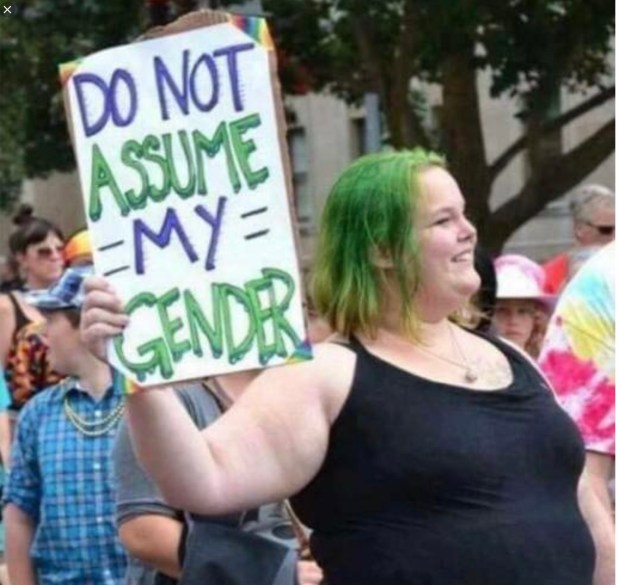
I am me. I own no label but my name. for a major portion of my life, I identified as a lesbian; it was a truth to me, made a fact to anyone who asked. while it was something I obviously resided with, my friends at the time made it out to be my whole personality; not a day went by without being reminded of my orientation by my friends, it was all I was. what made matters worse is that I was hyper femme too. pink was in every outfit, even my all black outfit was paired with a pink sparkly belt, so to the world I was seen as the typical heterosexual ditsy pink girl. my friends constantly probed me to change, I couldn’t be a lesbian and dress the way I did; I needed to constantly be wearing markers. I was a label, only one label, nothing more. it didn’t matter that I loved drag, wrestling, building, coding, and makeup; none of my interests, which made up who I was, actually mattered to them. I was the butt of every gay joke and the first person looked at when the topic came about. As time persisted, I came to explore that women were not the only people I felt a gravitation towards, I confided in my friends about it, and the first thing they said was “Well, what are you then?”. It was like I was letting them down. within that moment, I felt something shift within me. I no longer wish to be a label, just a label. I like who I like, and that is a part of me, just a part. I know now that that friend group was not the best for me, and I do not blame them for their actions, as during this time, chronic online-ness became a pressing issue. they learned to gatekeep the community because the people they adored online were also gatekeeping, but I lost interest in being let in; I just wanted to be myself with no bounds. with this being said, I am still a very active participant in queer rallies and events. I strive to make sure that everyone I meet has a safe space within myself. not a day goes by where I’m not reminding people they are allowed to be who they are, open and free without constraints on being “enough” (whatever enough may be). No one will be made to feel the way I felt within those years, as if who I was was not enough to be let in. I now have a much better support group in friends, and I am forever grateful for them. They allow and help me explore who I am as a person, and remind me that I am complex and composed of a remarkable number of elements. in all, I am more than what anyone will ever make of me. I am queer; it’s just another part of me.
Beyond Labels

Label the foundation of modern society. Why is labeling yourself or someone so important? Why does it matter so much to someone what my gender or sexuality is? I never really thought about this until recently and the more I think about it the more I question everything. When I was young, I always assumed I was a girl and straight but as I got older and learned more about myself, I learned that no I am not. I learned more about myself. I would describe myself as gender fluid, pansexual and asexual. At the same time labels are not that important to me when come to gender personally but as for sexuality it matter more because I have been with a man for a few years and because of this many people assume I am straight when I tell them I’m pan they seemed confused why I be with a man this irritates me internally because it make me feel like I am not a part of the LGBTQ+ community this way of thinking I have faced more by those in the community then thoughts outside of the community.

Until I started back at college in fall of 2023 when I met the amazing group of people I love dearly I always felt like an outsider I did not feel wanted in the LGBTQ+ community nor the straight people community I felt like I was just drifting in space in a way, this not feeling like I belong the more I go to therapy and work on myself the ,ore I realized this sense of not belonging truly affected me. In the book nonbinary I relate with many of the stories although myself am not nonbinary the questioning of faith and the not feeling like I belong and the questioning of why labeling matters so much. No matter if you feel labels are important to you personally or not, I think things like this should be spoken about more in society, so people like me and many others know they are not alone and feel like they belong somewhere in this strange world we live in.

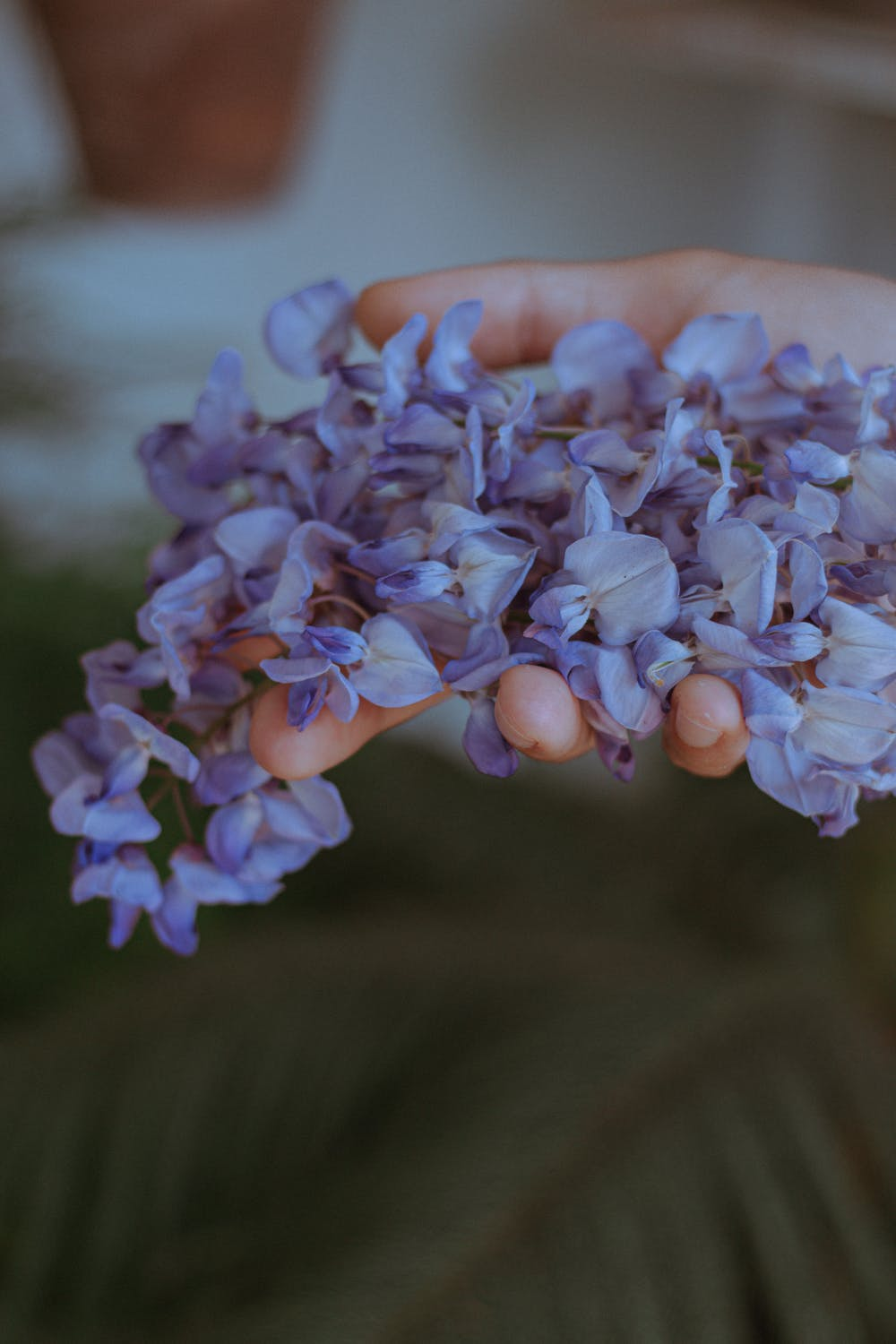
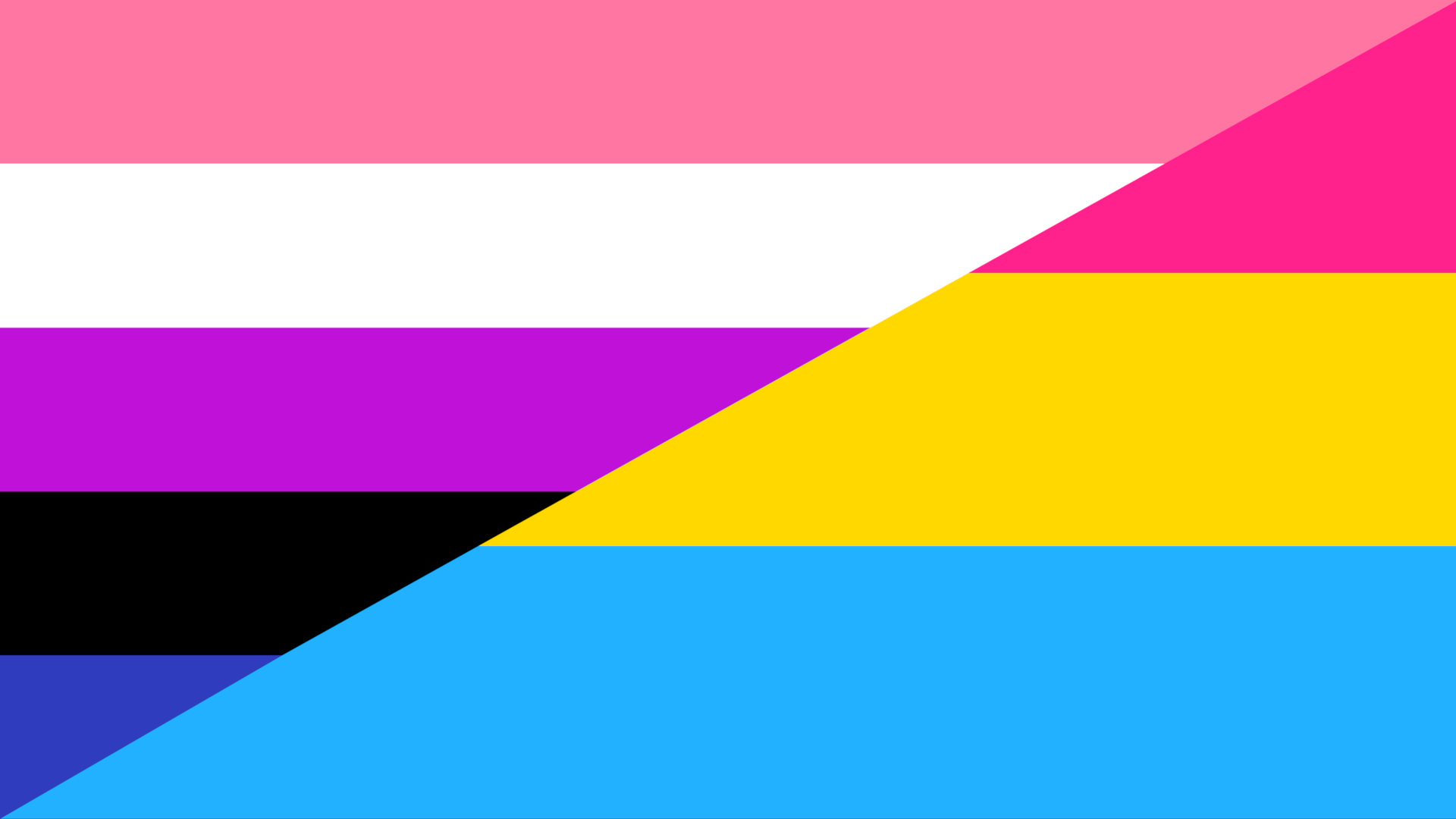
Pansexual and Genderfluid flag.

Pleasure and Correspondence

Image by TIVASEE on Pexels.com

content warning: sex and masturbation

Oddly enough, I remember my first orgasm. And that’s simply because it wasn’t too long ago, about over a year to be exact. It’s aggravating how the shame I felt towards my body kept me from exploring it. The repressed Christian girl is no foreign stereotype to us, but we never seem to focus enough on the shame hoisted upon young girls that makes them conceal any and every part of their sexual nature. Why was “acting your own age” or “not looking too grown” a priority for my middle school self when I had just barely started to develop tweenage crushes on my classmates? The only people who were in touch with these notions I had no idea existed were the adults around me. My body as a child shouldn’t have been a battleground where I had to prioritize mannerisms over my black girl joy.

Looking back now, coming into my body has been a long and tiring journey. My family’s obsession with purity stems from the dominating Christian culture we came from. The ideals instilled into me as a young girl weren’t just the opinions of my aunt who raised me, but that of her mother and her mother’s mother. For generations, no, eras, we were told to protect young girls through forcing them to adhere to paltry rules about how we use the space we take up. But who am I to break the sanctity of these rules? They seemed to do enough for my female ancestors who succeeded in having families of their own.

Don’t think for a second, I didn’t rebel. I wore what I wanted, listened to punk rock music, and tried my best to escape my family’s expectations. I even came out as pansexual in middle school, which my family brushed off as a phase but was still mildly appalled by it, to say the least. Back then, I thought knowing my sexuality meant being comfortable within it. I was pretty far off.

The sin of masturbation was never discussed by my family, but the weight of it was still there. In my late teenage years I explored my body in the few hours I had the house to myself. All I remember was the constant rush of shame every time I attempted to get myself off. I could only ever think of the judging stare of God from above or that my ancestors or guardian angels were disgusted with me. Despite this shame, I never even reached a climax. Maybe it was what I deserved.

Eventually, I entered my first relationship and there went my virginity. Many people were actually surprised I stayed a virgin for so long as I always tried to make myself come off as the raunchy, sex-positive funny girl. Despite wanting to be known as a “sexpert” in my youth, I never took my chances to engage in any sexual acts until I was a legal adult. I convinced myself this was the safest option to avoid being grounded into oblivion. It wasn’t until I bought my first sex toy that I actually learned the extent of my own pleasure. Like a great number of people with vulvas, clitoral stimulation led to my first success.

It was a moment of cathartic relief like no other. Any feeling of my body being broken immediately left me. Is this what my shame kept me from my whole life? Feelings of purity and shame no longer mattered, because I had finally come into my individual pleasure. Shame only held me back, which is why I refuse to give into it any longer. Those moments of fear now correspond to a time long ago where I was afraid of my body.

I’m Really Not Gay Tho

I’m Really Not Gay Tho

The connections between race and sexuality that Patricia Collins mentions, for me, are really relatable. Even though she and many other feminist studies writers have focused on African American men and prison power dynamics, as an Asian man, I can see exactly what they might be talking about in my own history.

When I was growing up, I had a really high voice; it was really really high. Some people might have said things such as, “You sound like a girl”. It really was that high pitched. And ultimately, many people at my school assumed that “He must be gay”. It’s true. People even asked me about it.

When I told them “No”, many of my peers were confounded. “That can’t be!”, they said. They assumed I must be lying and this was big issue for them for a long while. But then, many people suddenly turned around and said that I wasn’t lying after all. And I was confused.

It turns out, according to some individuals, that my voice was so “feminine” because I was Asian. “Asian men are just much less masculine and we should just accept you because you can’t help but be that way”.

Now, I realize that this was an example of the connectedness between race and sexuality. Like African American women or the less masculine African American men that were called “bitch” or “dicksucker”, my say on who I was was ignored by my surroundings but instead got replaced by peoples assumptions. And conversely to African Americans who were threatened because of their race, I was “validated” as acceptable because of mine.

No one paused to think that my sexuality, a private issue, was being violated. And then no one stopped to think that “blaming” a whole race of people for my “situation” was sort of racist. Reading such passage has enlightened me that, in this scenario, there were interlocking systems of power at play. Race and gender, in my case and many others, were used as intersectional societal methods of control at the expense of those affected by such assumptions.

Queer Identity Discovery: The Domino Effect and Queer Time

9601

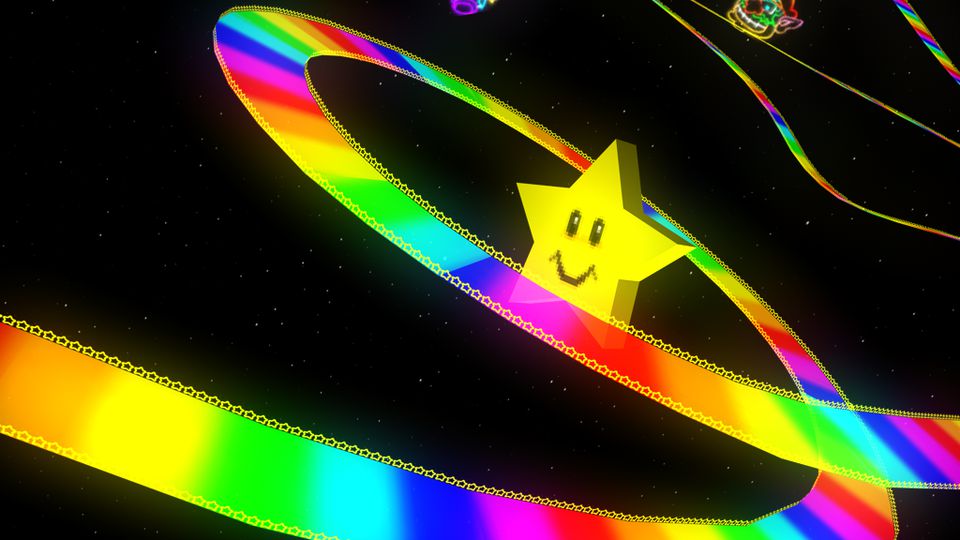
Image Source: http://www.avclub.com/article/theres-mash-rainbow-road-themes-all-8-mario-karts-206528

I’ll focus on my own experience here but I know there are going to be things about my experience that many other queer people can relate to in this regard.

My experience with queerness has never been linear, it has indeed been very queered. It has consistently involved not knowing about a way of being queer and then being introduced to the concept, a moment of reflection and then realizing “oh shit that’s me.” But I’ve also consistently struggled with coming to terms with these new labels and seeing how they fit me.

From the age of 12 to about a month away from turning 21 I had been on a journey of denial, internalization, grief over myself changing and growing, complete secrecy, exploration, etc. etc. about me being bi. I had come out after years of being afraid of myself, but in that time I also developed a yearning for community. When I came back to UMBC after two years of community college I knew that I’d want to seek out my community. Since then my reality as a queer person has shifted so greatly. I feel so liberated. Yet I grieve. I grieve for the ways I have been, not knowing if they are different than who I am now. My sense of self has been questioned. I don’t know if my new state of existing is just blurrier, or if things have just been just out of my sight this entire time and it constantly feels like both. I don’t know how consistent this person who is me is. Continue reading

Disabled people and pleasure

I had a conversation with people I was close with about nurses who help disabled people find sexual pleasure. Someone brought up a documentary about the nurses who do this and I offered that I heard a little about it in my Unruly Bodies class. I told them briefly about our section on disabled bodies and the things we’ve discussed in class. Continue reading

Bodies, Self-Esteem, and Sex in “My Mad Fat Diary”

trigger warning: weight, body image, self-hate, suicide mention

Recently, actress Sharon Rooney who plays Rae Earl on the UK TV show My Mad Fat Diary announced that the show is returning for a third season. MMFD is allll about bodies. Rae Earl is the protagonist of the show, a fat sixteen-year-old girl dealing with not only her weight and low self-esteem but also with mental illness. She has a tough push-and-pull relationship with her mother, and a father that is out of the picture.

Continue reading

No more ignoring fat bodies [warning: rape]

It seems to me that no one ever thinks about this, or they never want to talk about it. I want to talk about it. I think it needs to be written down, passed around, and heard over and over again until we replace our present beliefs with the truth.

Continue reading