“I am an unfortunate and deserted creature, I look around and I have no relation or friend upon earth. These amiable people to whom I go have never seen me and know little of me. I am full of fears, for if I fail there, I am an outcast in the world for ever” (Shelley). The monster does not look at his new acquaintance when he speaks; his eyes remain on the looming glaciers around them, glowing in the moonlight. His words, which linger heavily in the chilled air like their warm breath, are met with silence. The traveller peers at the figure next to them: “flesh torn apart and sewn together again in a shape other than that in which (he) was born” (Stryker). Each carefully selected piece of skin and bone fits together to form a uniquely beautiful, abstract puzzle. They had only just met, and yet, each stitch woven into the bodies of the traveller and the creature was spooled from the same thread- a rope of pain caused from society’s purposeful ostracism.
Finally, the traveller interrupts the comfortable, contemplative stillness.
“Like (you), I am too often perceived as less than fully human due to the means of my embodiment; …my exclusion from human community fuels a deep and abiding rage that I, like (you), direct against the conditions in which I must struggle to exist” (Stryker).
The monster did not have the chance to respond, and the traveller would never hear his response, both robbed of the conversation and solace.
Victor Frankenstein shot his creation- once in the head and once in the heart- leaving the traveller alone again.
Throughout various abhorrent efforts to dehumanize any given particular group, the question of what is deemed ‘natural’ has often been present. The concept of ‘naturalness’ is made to be synonymous with ‘goodness,’ ‘correctness,’ and any term that denotes a certain level of social acceptability or praise. Yet, the definition of ‘natural’ does not indicate some infallible or permanently held state of being. Rather, it is an ever-changing term, constantly adjusting to new norms and technologies as our society changes.
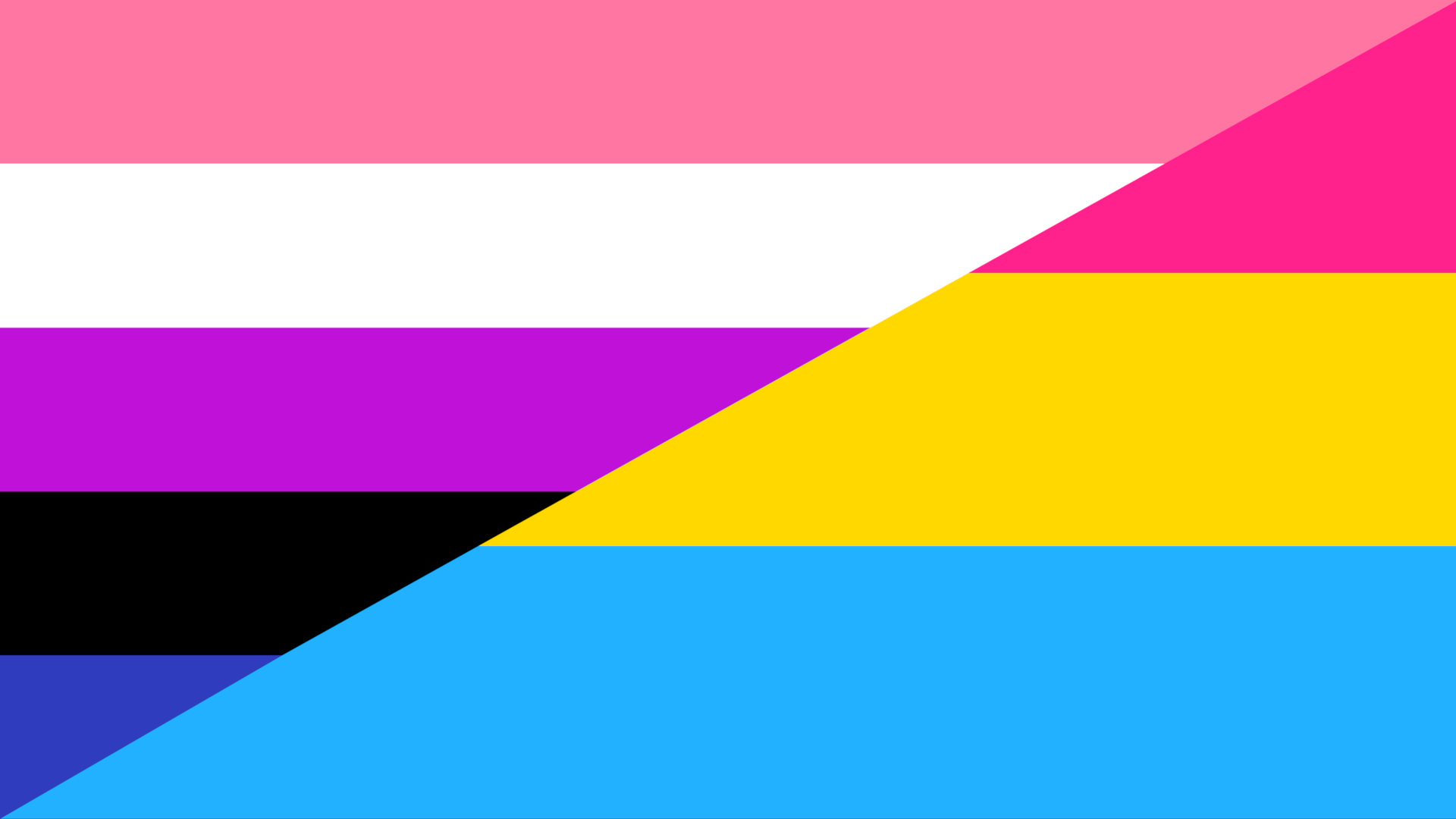
Label the foundation of modern society. Why is labeling yourself or someone so important? Why does it matter so much to someone what my gender or sexuality is? I never really thought about this until recently and the more I think about it the more I question everything. When I was young, I always assumed I was a girl and straight but as I got older and learned more about myself, I learned that no I am not. I learned more about myself. I would describe myself as gender fluid, pansexual and asexual. At the same time labels are not that important to me when come to gender personally but as for sexuality it matter more because I have been with a man for a few years and because of this many people assume I am straight when I tell them I’m pan they seemed confused why I be with a man this irritates me internally because it make me feel like I am not a part of the LGBTQ+ community this way of thinking I have faced more by those in the community then thoughts outside of the community.
Until I started back at college in fall of 2023 when I met the amazing group of people I love dearly I always felt like an outsider I did not feel wanted in the LGBTQ+ community nor the straight people community I felt like I was just drifting in space in a way, this not feeling like I belong the more I go to therapy and work on myself the ,ore I realized this sense of not belonging truly affected me. In the book nonbinary I relate with many of the stories although myself am not nonbinary the questioning of faith and the not feeling like I belong and the questioning of why labeling matters so much. No matter if you feel labels are important to you personally or not, I think things like this should be spoken about more in society, so people like me and many others know they are not alone and feel like they belong somewhere in this strange world we live in.
Have you ever scrolled online and see people confidently declaring their gender and sexuality like they’ve had it figured out since birth? “I’m nonbinary.” “I’m a lesbian.” “I’m pan.” Meanwhile, I’m sitting here wondering, why do I feel like nothing? This question has been bouncing around my head for a while now. But after reading Nonbinary: Memoirs of Gender and Identity, specifically Christopher Soto’s “What Growing Up Punk Taught Me About Being Gender Nonconforming” and Aubri Drake’s “Clothes make the Gender/Queer,” made me realize that maybe this feeling of nothingness isn’t emptiness, but simply uncertainty in a world that demands certainty from everyone.
Soto writes, “I tell my friend who still presents outside the binary that I want to be alive. I want to live. And so this is my gender: a desire to live.” That line hit me like a ton of bricks. For me, identifying as a woman has always been about survival. It’s safer, easier, less questioned. I don’t have to explain myself or fear someone reacting violently because I don’t fit their idea of what a woman “should” be. Soto ties their fear to capitalism and violence because the way safety, livelihood, and even love feel like privileges granted to those who conform. Sometimes I wonder if I’d feel freer to explore my gender if the world wasn’t punishing those who step outside the binary.
Growing up, everyone labeled me a “lesbian” before I could even figure it out on my own. I was the tomboy wearing my dad’s clothes, obsessed with comic books instead of makeup. My mom used to tell me to “act like a lady,” for simply sitting in my own home with my legs open. Then puberty hit, and suddenly I had curves I didn’t ask for. Aubri Drake’s words that “clothes started clinging to my body in all the wrong places… they stopped being a form of expression and instead became material to hide in”described exactly how I felt. I started hiding under oversized clothes because my body no longer felt like mine, but a spectacle for others.
For years, I bounced between labels from bi, lesbian, pan, and now to queer. Each one feeling right for a second and wrong the next. I even dated men exclusively at one point just to prove something, though my attraction to women has always been stronger. Every time I picked a label, I felt like a fraud and that everyone knew I was out of place.
When it comes to gender, being called “masculine” or “feminine” makes me physically recoil. I don’t feel like either. I identify as a woman because it’s practical since it’s what fits easiest in the world’s boxes, but that’s never been the only reason. I’ve briefly thought about identifying as nonbinary, but fear always stops me: fear of losing cis privilege, fear of not being taken seriously, fear of violence. Like Soto, I get what it means to feel “illegitimate” just for wanting to live safely.
That’s why the label queer has been a relief. It’s flexible. It’s fluid. It lets me breathe. I don’t have to get a headache by searching for answers I don’t have yet. My gender and sexuality are personal, evolving, and maybe a little messy, but at the end of the day, that’s ok.
A few months ago, before reading these essays, I went down a rabbit hole on Reddit trying to understand why I felt “genderless.” I remember scrolling for hours through different threads from queer and neurodivergent people describing the same sense of in-betweenness I couldn’t name. One that stood out to me was called “Does anybody else feel genuinely genderless?” on r/NonBinary, more specifically this one quote:
“When I lean more towards masc or femme with my presentation that’s all I feel it is — a presentation. Or really what it actually is is society interpreting my presentation as gendered. Ultimately it’s still just me. I don’t feel more feminine when I wear skirts — but it’s perceived that way.”
When I lean more towards masc or femme with my presentation that’s all I feel it is — a presentation. Or really what it actually is is society interpreting my presentation as gendered. Ultimately it’s still just me. I don’t feel more feminine when I wear skirts — but it’s perceived that way.”
That line felt like someone cracked my brain open and wrote down my thoughts. It echoed everything Soto and Drake described; that gender can feel more like a performance that others interpret than a truth you embody. Re-reading that thread and other ones I mindlessly scrolled actually helped me realize I wasn’t broken for feeling detached from gender. I was just tired of performing one.
I still feel like “nothing,” but I don’t see that as a bad thing anymore. That nothingness feels like freedom; free to move, question, and change without being boxed in. Reading these essays made me realize I’m not alone in that uncertainty. There’s comfort in knowing gender and sexuality don’t have to be solved; they can just evolve. Maybe “nothing” is true freedom. Maybe my gender isn’t nothing — maybe it’s just mine.
Growing up in a conservative household, I was constantly told to cover up because of men’s “wandering eyes”. I was taught that if I were to be sexually assaulted, it would have been my fault, instead of the person who sexually assaulted me. Out of fear, I obliged, wearing modest clothes throughout my childhood, convinced that I could never be safe. My mother also told me to speak properly, to never talk back to elders or men, and to hold my tounge if I was uncomfortable. In Throwing Like a Girl, Iris Marion Young describes how women move with “inhibited intentionality”, we know we can act, but we feel like we shouldn’t. That was my childhood: constantly silencing and covering myself to make myself more palatable for men. These habits became ingrained in me, because for so long, they were all I knew to do.
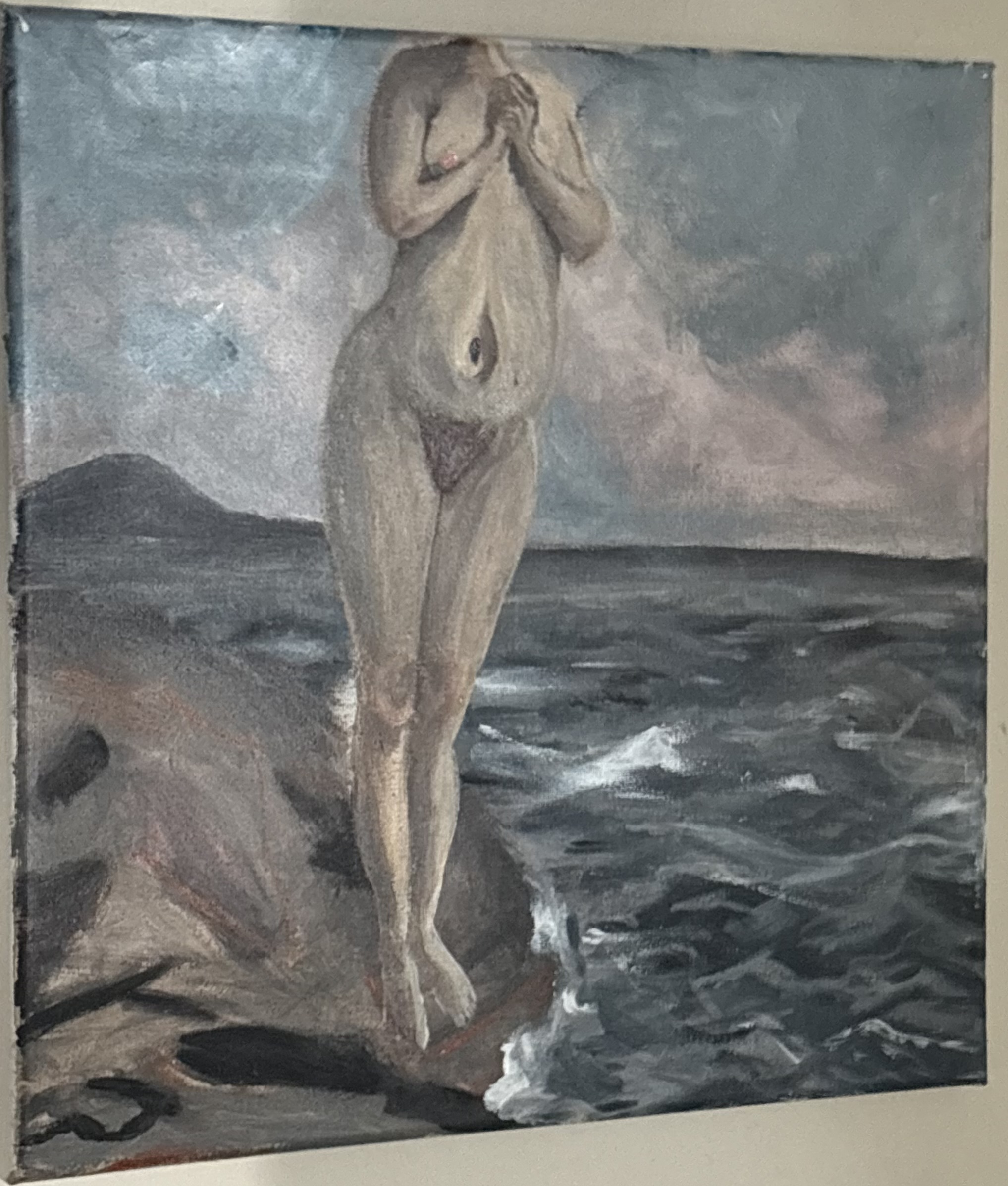
To be a muse is to be worthy. To be a muse is to be beautiful and talented, chosen and seen. To be a muse is to be exhilarated and exhausted, honored and objectified, proud and pornified. There cannot be one state of being without the other, so long as there is one being to perceive and one being to be perceived.
In some societies, perhaps, it is possible for a muse to exist without the constant fear and awareness of their own and another’s presence. In patriarchal and sexist cultures, however, the muse faces an internal and external threat of surveillance, and therefore sexualization. “(Patriarchal and sexist) society defines woman as object, as a mere body, and… are in fact frequently regarded by others as objects and mere bodies” (Young, I. “Throwing Like a Girl: A Phenomenology of Feminine Body Comportment Motility and Spatiality,” p. 153-154). For feminine muses, they “learn to live out (their) existence in accordance with the definition that patriarchal culture assigns to (them, and) are physically inhibited, confined, positioned, and objectified” (152). The definition becomes internalized, which then manipulates and forces women into being more feminine- more submissive, docile, small, quiet. “Women often approach a physical engagement with things with timidity, uncertainty, and hesitancy… (They) lack an entire trust in (their) bodies to carry (them to their) aims. There is… a double hesitation here. On the one hand, (women) lack confidence that (they) have the capacity to do what must be done… The other side of this tentativeness is… a fear of getting hurt… (They) often experience (their) bodies as a fragile encumbrance, rather than the medium for the enactment of (their) aims” (143-144). The subordination of feminine beings is at the root of patriarchy, and it grows as more minds and bodies accept the notion that feminine and masculine categories cannot intermingle. The stronger the patriarchy becomes, the more ‘natural’ it seems that feminine bodies are weaker than masculine bodies. In reality, women “have more of a tendency than men to greatly underestimate our bodily capacity,” as well as the relentless pressure of being perceived as a muse, which results in under-performance.
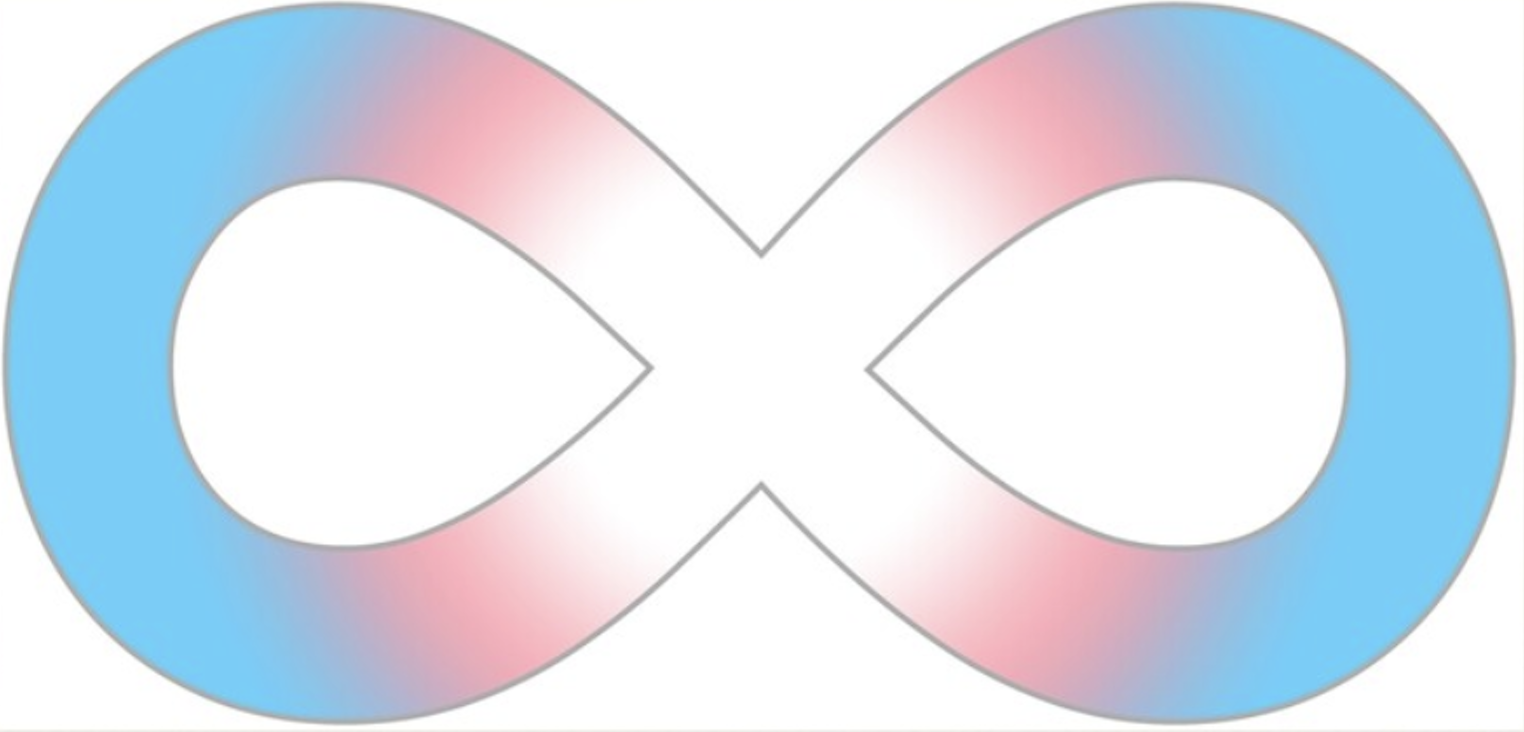
Autistic people are a lot more likely than the neurotypical population to identify as transgender — something I personally chalk up to us having a keener eye for social norms that make no sense (the gender binary being no exception). As an autistic trans person who has to deal with the social repercussions of both these parts of myself, I have noticed how society is built not only to prioritize cisgender neurotypical people, but to actively shun those who don’t fit in either category in very similar ways.
This week, one of the works that resonated with me was Young’s Throwing Like A Girl, and I looked back on my childhood. The part about ‘yonder’, the space outside of a girl, hit something different than we touched on in class.
Emotional labor is the act of “regulating or managing emotional expressions with others as part of one’s professional work role”. For the context of this blog post, I will also be referencing emotional work as well, which is the role people use in any social context. RANT: Every post, YouTube video, and link that I looked at typically focused on the emphasis of how women have been the brute focus of emotional work and often, labor. WHAT ABOUT THE MEN?! BLOG: Ideally, men have been the focus, but in our current generation, I am starting to wonder if men are becoming the scapegoat for blame. There are good and bad things to this, but I can only share my experiences. From growing up in a household as an adopted child to working in hospitality at some of the best hotels in the Houston area, to coming home and being expected to “clean up everyone else’s shit” (one of my ex’s fathers literally told me this and suggested I work for some type of plumbing company) to experiencing my own version of emotional labor is…exhausting. As a recommendation, if you’re dealing with being the emotional laborer of your family or workplace, I suggest counseling, good friends, hobbies, and money. Now that I have your attention, the emphasis on emotional labor during this period of the class was for women. Honestly, I love that. Often, the strongest women in my life have carried the emotional labor of EVERYONE in the family. My Grandmother (capital G, because she truly is a G), and my Aunt (who raised me, God bless her soul) have not only raised multiple members of the family but have guided others and influenced people for generations to come. I can endlessly explain what they have done for everyone, including my impaired brother (this falls into the disability category of the past few weeks, but I decided to not go in-depth with these issues and instead focus on emotional labor…anyway) My Grandmother has done amazing things as a widowed woman, and when my grandfather was alive, what I recall of him, he was a remarkable man, veteran, and overall generally good person. In order for him to be that he needed to have an even stronger woman there to not only support him, but to motivate and guide him. We so often focus on a certain gender, but I think its vital to focus and include everyone because we cannot physically do it all on our own – even if social media suggests that we do. When it comes to emotional labor for myself, as an older male, I grew up with the family vibe of “you want it? Do it yourself” This mindset has its own version of toxic masculinity and it worked for a time, but as I have grown older and started practicing gratitude, meditation, and fitness, I have learned that kindness is the key to growing. However, that is also the curse of being easily manipulated and being the scapegoat out of a lack of emotion – if you allow yourself to be. When working as a hotel supervisor, I found myself taking on the emotional verbal abuse of people that travelled so far and attempted to check in, but one minor inconvenience (Well…one time there was a major inconvenience, we sold out and by the time they got there…the people didn’t have a room… and they were diamond members which is equivalent to being a traveling version of Karen) set them over the top, and I had to apologize profusely, make up for their issues by giving them a free nights stay at another hotel, etc… all while keeping a smile on my face. So dumb, but it was vital in learning how to maneuver around people when they are angry and teaching myself how to stay calm in the face of disappointment. That’s an invaluable trait and lessons/memories that I am grateful for. I don’t know, I am a believer in the idea that everything happens for a reason. Maybe I should allow myself to be the gatekeeper of my own “shit”, to be more selfish and selfless at the same time, and to lack the attempt to understand everything and everyone around me but I cant do that shrug. In essence, I think all of us must have some type of role in emotional labor, but please, don’t forget to take care of your mental, physical, and financial well-being. Your family, friends, and pets will thank you for it. (I will always choose to be kind and thank you to all of the people in my life, wouldn’t be me without YOU).
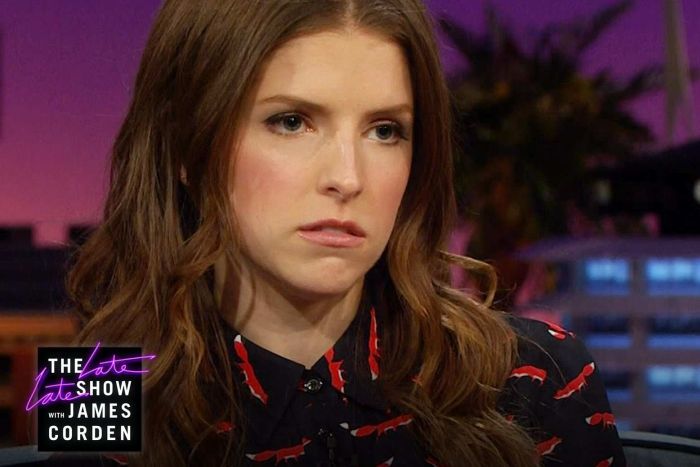
In a poem titled “Ode to My Bitch Face” Olivia Gatwood theorizes about some reasons why women have resting bitch face or R.B.F. She says that some are born with it, to some it is a defense mechanism they put up every day, and to some it is a “safe zone.” The resting bitch face according to Urban Dictionary is “a person, usually a girl, who naturally looks mean when her face is expressionless, without meaning to” and “A bitchy alternative to the usual blank look most people have. This is a condition affecting the facial muscles, suffered by millions of women worldwide. People suffering from bitchy resting face (BRF) have the tendency look hostile and/or judgmental at rest.” Continue reading →




 In a poem titled
  Unruly Bodies