The Muse’s Misfortune

The Muse’s Misfortune

The Muse’s Misfortune 

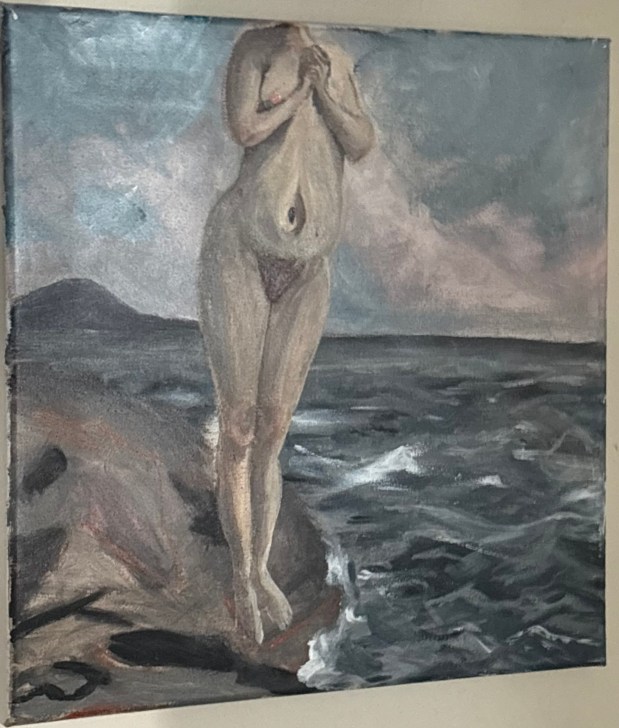
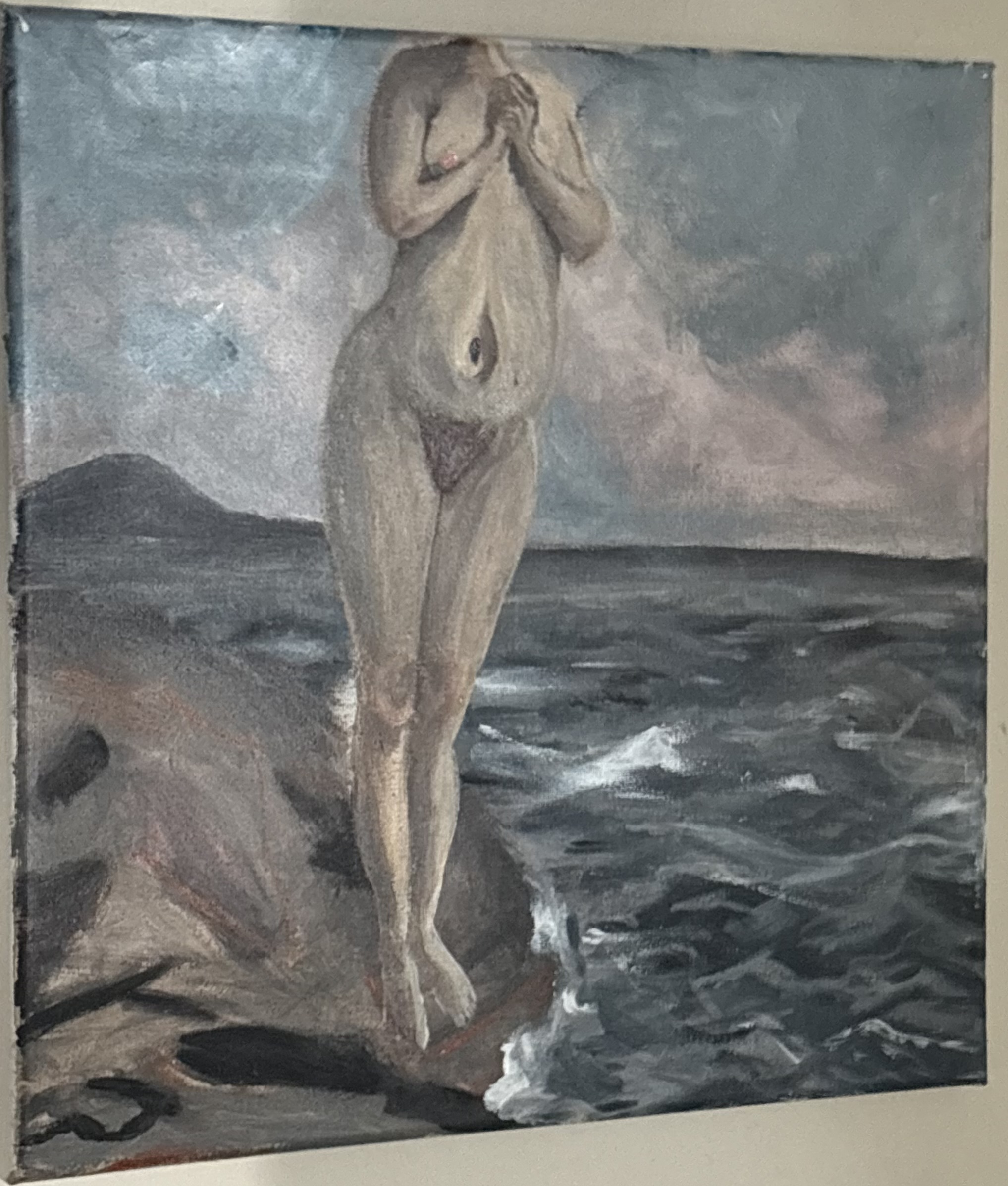
To be a muse is to be worthy. To be a muse is to be beautiful and talented, chosen and seen. To be a muse is to be exhilarated and exhausted, honored and objectified, proud and pornified. There cannot be one state of being without the other, so long as there is one being to perceive and one being to be perceived.

Read more: The Muse’s Misfortune

In some societies, perhaps, it is possible for a muse to exist without the constant fear and awareness of their own and another’s presence. In patriarchal and sexist cultures, however, the muse faces an internal and external threat of surveillance, and therefore sexualization. “(Patriarchal and sexist) society defines woman as object, as a mere body, and… are in fact frequently regarded by others as objects and mere bodies” (Young, I. “Throwing Like a Girl: A Phenomenology of Feminine Body Comportment Motility and Spatiality,” p. 153-154). For feminine muses, they “learn to live out (their) existence in accordance with the definition that patriarchal culture assigns to (them, and) are physically inhibited, confined, positioned, and objectified” (152). The definition becomes internalized, which then manipulates and forces women into being more feminine- more submissive, docile, small, quiet. “Women often approach a physical engagement with things with timidity, uncertainty, and hesitancy… (They) lack an entire trust in (their) bodies to carry (them to their) aims. There is… a double hesitation here. On the one hand, (women) lack confidence that (they) have the capacity to do what must be done… The other side of this tentativeness is… a fear of getting hurt… (They) often experience (their) bodies as a fragile encumbrance, rather than the medium for the enactment of (their) aims” (143-144). The subordination of feminine beings is at the root of patriarchy, and it grows as more minds and bodies accept the notion that feminine and masculine categories cannot intermingle. The stronger the patriarchy becomes, the more ‘natural’ it seems that feminine bodies are weaker than masculine bodies. In reality, women “have more of a tendency than men to greatly underestimate our bodily capacity,” as well as the relentless pressure of being perceived as a muse, which results in under-performance.

The Jungle

jungle

I’ve had a lot of nicknames, more than most, I think. Sonja boi, J, Gerber, Jaskinky, Keeks, Jas. But one of the worst nicknames was The Jungle. I had this nickname in middle school because I didn’t (and still don’t) shave my legs (and armpits too). Matthew Immergut states that body hair is seen as a manifestation of a nasty and wild nature so ‘The Jungle’ is probably accurate nickname for a hairy twelve-year-old. Continue reading

Should You Binge-Watch Embarrassing Bodies?

Image result for embarrassing bodies tweetsCircus Water Act


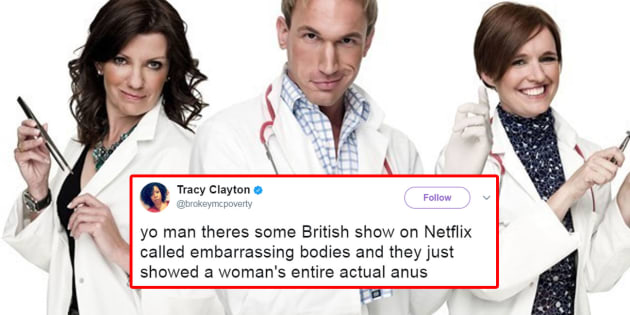
Netflix now carries the British series: Embarrassing Bodies, a show about three doctors who travel through Britain, opening pop-up clinics for passersby seeking cures for a wide array of ailments or deformities.  The show documents one-on-one consults, large group Q and A sessions on specific health-related topics (these are often set in schools, pubs, or other common public gathering places), street interviews on topics such as “baldness” or “boobs” and exhibits set up outside the medical tents where people can learn more about the inner workings of the body.  All of these interventions are designed to make people less worried about their bodies, while setting up expectations about what is “normal” versus what requires medical intervention.

It is hard to think of an American equivalent of this show, though there have been other international spin-offs: Wikipedia lists Embarrassing Bodies Down Under, Dit is mijn lijf (This is my body) in the Netherlands and the strikingly named  Я соромлюсь свого тіла (“I’m ashamed of my body”) in the Ukraine.

Continue reading

Drinking, Nausea, and the Disciplined Body

Back in the day, I used to binge drink on a weekly basis and in turn would often end up vomiting every few weeks from drinking too much. This led me to eventually develop a regiment for dealing with the nausea that is associated with such excessive drinking, but for the most part I had forgotten about it when I stopped binge drinking several years ago. Then a few weeks ago I was out drinking with my partner and some friends and upon return home I became very nauseous. I immediately fell into my old pattern for dealing with this nausea and carried it out, refusing my partner’s help and leaving to fall asleep alone.

The next day, I began reflecting on how this pattern of mine was a situation where I experienced the disciplined body to deal with some illness. Continue reading

I Really Like Your Boobs

In 2010, I lost 50lbs. With a weight loss such as this, my boobs hit the ground. I had never had any intention of getting a breast augmentation before, despite working and loving the beauty industry. I preferred a more natural look for myself. However, when facing the choice of the condition of my breasts after the weight loss, I decided to go with breast augmentation. Continue reading

Gymtimidation.

Adco1-superJumbo

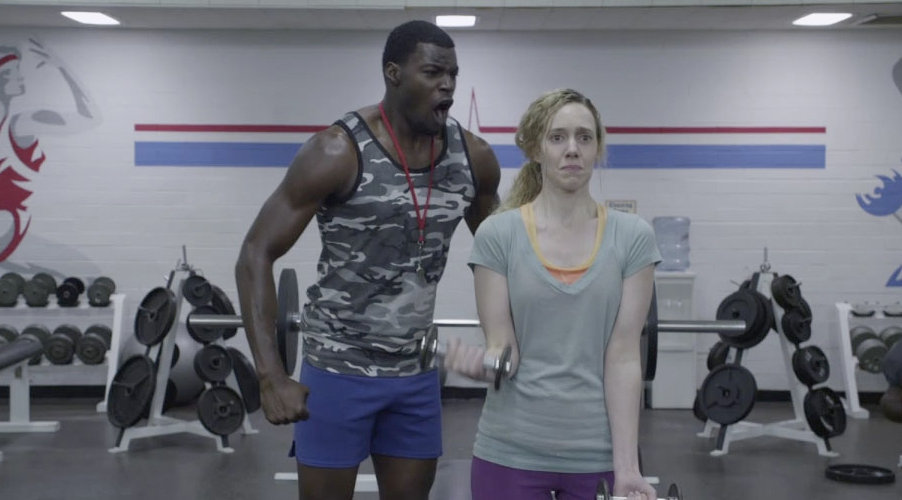
One of my favorite things to talk about is gyms. Not because I’m a hardcore “gym rat” or that I consider it a hobby Continue reading

Were you offended by the campus protests?

This post isn’t actually about bodies but it relates to our class discussions about the Ferguson case and the protests in general. As I read the post from the link below, I just got more and more frustrated that people actually found offense to the protests on campus over the last two weeks. People said that it was really just shouting, disruptive and was pointless. In doing the protests I didn’t think that anyone could take offense to it but that’s obviously because I felt more invested in it so I never thought of it that way but If anyone had any interest or opinion on the protests, can you please comment about them?

This is the thread that I found on the myUMBC homepage that makes me wonder, Was anyone in class offended by the protests?

http://my.umbc.edu/discussions/14049

Now I’m an Amputee G*d D*mn You

Our class discussion from the other day has me thinking. How do we talk about the US’s responsibility in producing disabilities through wars abroad (both in our own veterans and in residents of the countries that serve as the battlegrounds) without implying that disabled people are undesirable or useless?

Continue reading