a 180 turn

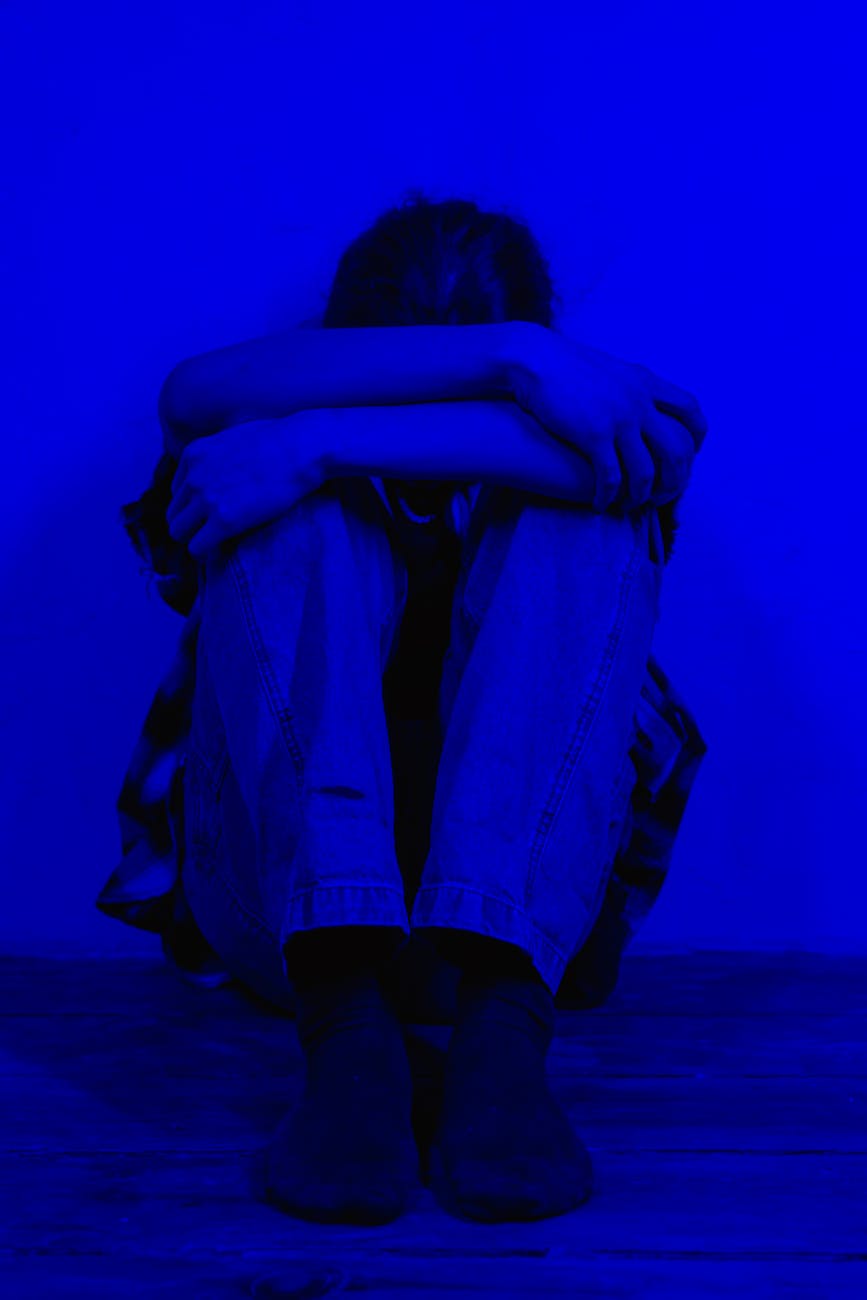
Photo by Kat Smith on Pexels.com

I have lived my whole teenage years on social media. Post after post I have been exposed to different topics, but one that I have seen are posts surrounding mental health. As someone who grew up in a household where mental illness simply meant that you weren’t worshiping God enough or it was a sign you were a bad person, my family never spoke about mental health. It wasn’t until I was way into my teenage years (like 18 years old) when I realized that my anxiety and depression wasn’t a reflection of my actions or a form of punishment. Not only was I surviving undiagnosed, but I was also unaware. I had no understanding of what this intense amount of uncalled for sadness was coming from or trying to explain to anyone why I brushing my teeth in bed seemed like climbing a mountain. At one point I was becoming scared to leave my house because I didn’t know what these anxiety attacks were for. I have since been on a self-learning journey of having a basic understanding of what mental health is. In one of our classes we learned about mental health disability, and I was taken back by the title. I never even thought of myself for having a disability. Reading the article about how being a good disabled person resonated with me because I have always had to push past the hard times because of the 0 flexibility that I was surrounded by. On days where I couldnt stop crying, I would put on mascara so that it would “force” myself to stop crying unless I wanted to look “stupid.” Although there is always the normal amount of forcing yourself to be positive in a public setting or work environment, I found myself forcing myself to put my struggles to the side when I was around my family because of the heavy stigma it carried. I was not allowed to rest unless I was sick. Because I wasn’t given the space to feel my emotions, it has honestly come with detrimental effects and in turn made everything worse. I didn’t turn a corner until after I hit rock bottom and my parents finally decided to listen and understand. I’ve now started getting treatment, but I feel embarrassed or ashamed to have this illness because even though I know that the stigma around mental health is null, I was still raised that way, so for me to accept my illness is a whole different step that I have to work through. Lastly, my own journey towards increasing my knowledge around my religion has shown me the compassion, love, and empathy that God has for those struggling with mental health issues. I discovered that struggling with mental health was not a form of punishment or made me a bad person at all. Right now, I am in the weirdest stage of my life where I have a wider understanding of myself and my issues that I am dealing with, but I am still working towards accepting it and myself + be more compassionate and patient with myself. 

How to: be an ally

Photo by Pixabay on Pexels.com

What do we want? Justice. When do we want it? Now. A chant that is used for every protest against injustice. Although it is empowering to be a part in making a change and fighting against injustice, I often wonder why it even takes place to begin with. This whole course has been about people fighting for their rights and justice, but when you think about it, they are literally just fighting to be treated fair or equal, which breaks my heart. Especially in our last section of invisible, chronic, and neurodivergent disabilities it just further saddens me to know that the injustice seems to be endless. As I’ve tried to learn about more subjects, I find it weird that some people could deny anyone basic human rights. Watching every person with a different color, gender, or disability get mistreated gets exhausting, and I am just a watcher. I cant imagine the exhaustion that someone struggling with this must feel, and I want to help in any was possible

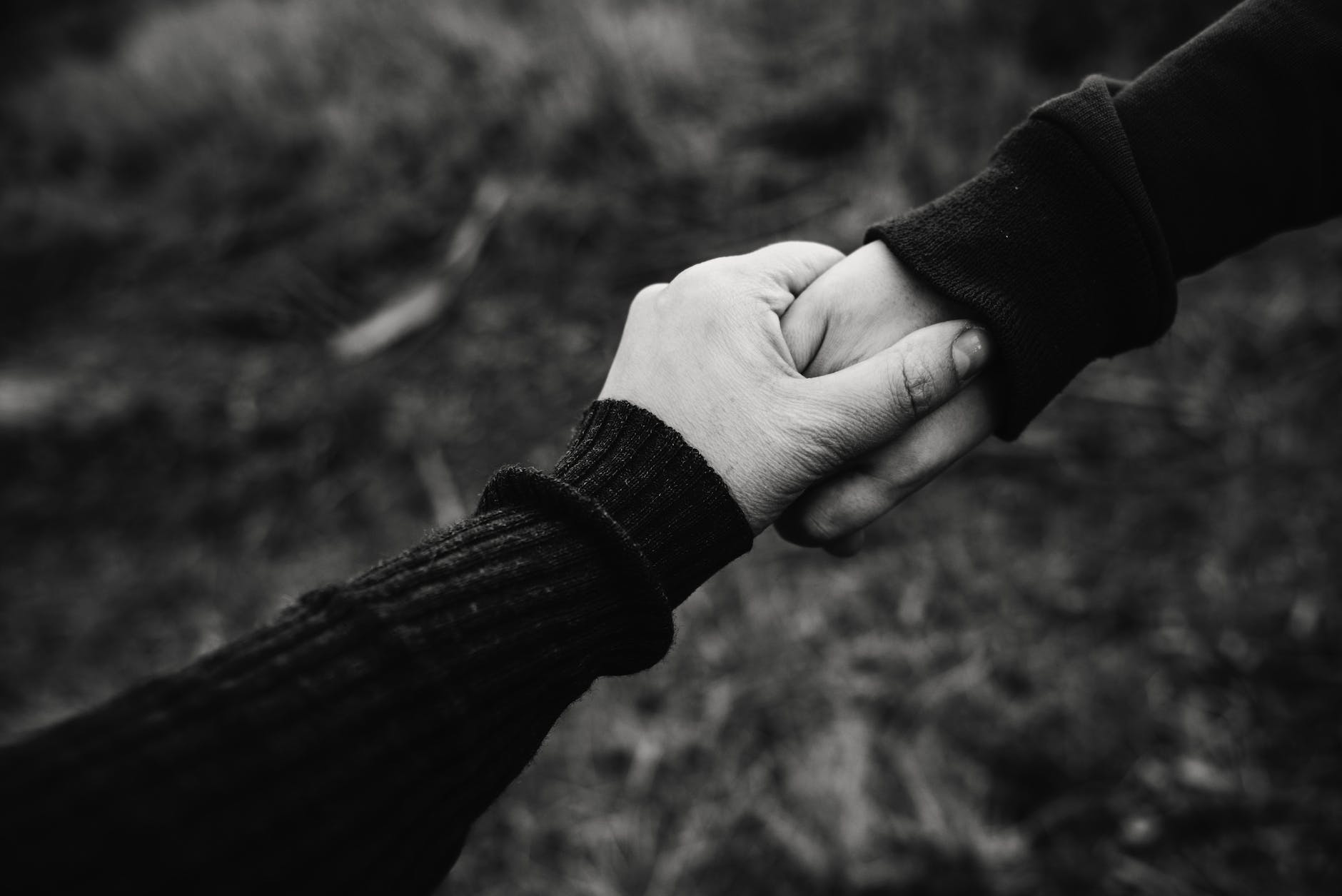
Growing up very sheltered and naive to the hardships of the world I was very unaware of many of the injustices that took place, but also the subject themselves such as autism, chronic illnesses. How invisible something can be to everyone else but the person that has it, and in that case it takes so much room up in their life. I’ve recently got diagnosed with a chronic illness, and it wasn’t until recently that I’ve seen how much time and effort it takes up. I understand that its not the same as a lot of subjects learned about in class, but its given me more compassion for the people who deal with so much more that i was naive to beforehand. Although I can’t blame myself or my family for never understanding subjects, I now sit and wonder how I can make up for the time I went around not knowing about these disabilities. I want to be an ally or a partner, but understandably, I know some groups don’t want people to stand with them, but instead to highlight them, and I want to know how to do that (if thats the best thing to do).

we all need a day off sometimes <3

Photo by MART PRODUCTION on Pexels.com

The loose definition of emotional labor is when you have to manage or suppress your emotions. This can be in any environment or around anyone including your family, friends and significant others. It’s used to fulfill the “requirements” or act how you SHOULD act. I grew up in a household where anxiety is just stress that’ll go away causing me to take on a lot of emotional labor in a lot of different environments. I am now in my very early 20’s and hadn’t been diagnosed with anxiety until just the beginning of this year after struggling with it for at least six years. I don’t think I realized how much additional emotional labor I was doing for the last couple of years. Since My family didn’t support the idea of me struggling with anxiety and I was undiagnosed, I often second-guessed and gaslit myself into thinking that I probably didn’t have anxiety, that I was just complaining more than everyone else. Forcing myself to deal with the struggles of anxiety while trying to keep up with the norms of being a 20 year old such as having a job, going to school, and trying to hang out with friends was completely overwhelming. I however felt that I had to push through those feelings so I wouldn’t be behind. A lot of the emotional labor that I encountered was self-inflicted; I was never forced into suppressing my emotions at work, school, or with friends. It was myself that felt the need to suppress my feelings so that I could be “better” at whatever task I was doing. This eventually caught up to me because I was skipping classes, breaking down in school bathrooms, and even at work i would have such bad panic attacks that they almost ended up taking to the emergency room because I couldn’t get myself to calm down, but after twenty minutes of being okay, i forced myself to go back to work despite really needing to take a nap. This is just an example of how I would cause emotional labor on myself. With that, there was also the emotional labor that comes with a job, especially ones that are heavy with customer service. I was forced to replace my intrusive thoughts and anxiety with a smile and be super attentive at all parts of the day. On days when I needed to give myself care, I had to give it to someone else because I was too scared to call out sick because technically I wasn’t sick. I mean I wasn’t even diagnosed so I didn’t even know if I was overreacting or not. At the beginning of this year I got diagnosed with anxiety and I have since been learning how to lighten the amount of emotional labor at my work so that I am not harming myself more than benefitting myself. I now do check-ins with myself and see where my head is at because I now know that if I continue to suppress the stress that comes with my work, it can result in a very bad panic/anxiety attack that can wipe out my energy for the day. I wish that I had gotten help earlier so I could have learned more tools to help manage my expectations of myself and lighten my emotional labor in every environment. To conclude my post, although we naturally experience emotional labor no matter where we are, there has been a period of time when i was taking on more emotional labor than i could handle because I wasn’t listening to my own body and its needs (such as taking a day off or requesting more time for an assignment). 

P.S. as someone who has been working in different environments and wasn’t able to get diagnosed for a very long time because of financial and family support; take a day off at work sometimes just because you need it. I promise you nothing is going to change and they wont be disappointed in you. Even if you don’t have anxiety, you still need to make sure you have time to yourself!

omg you’re so big!

TW: Body Dysmorphia

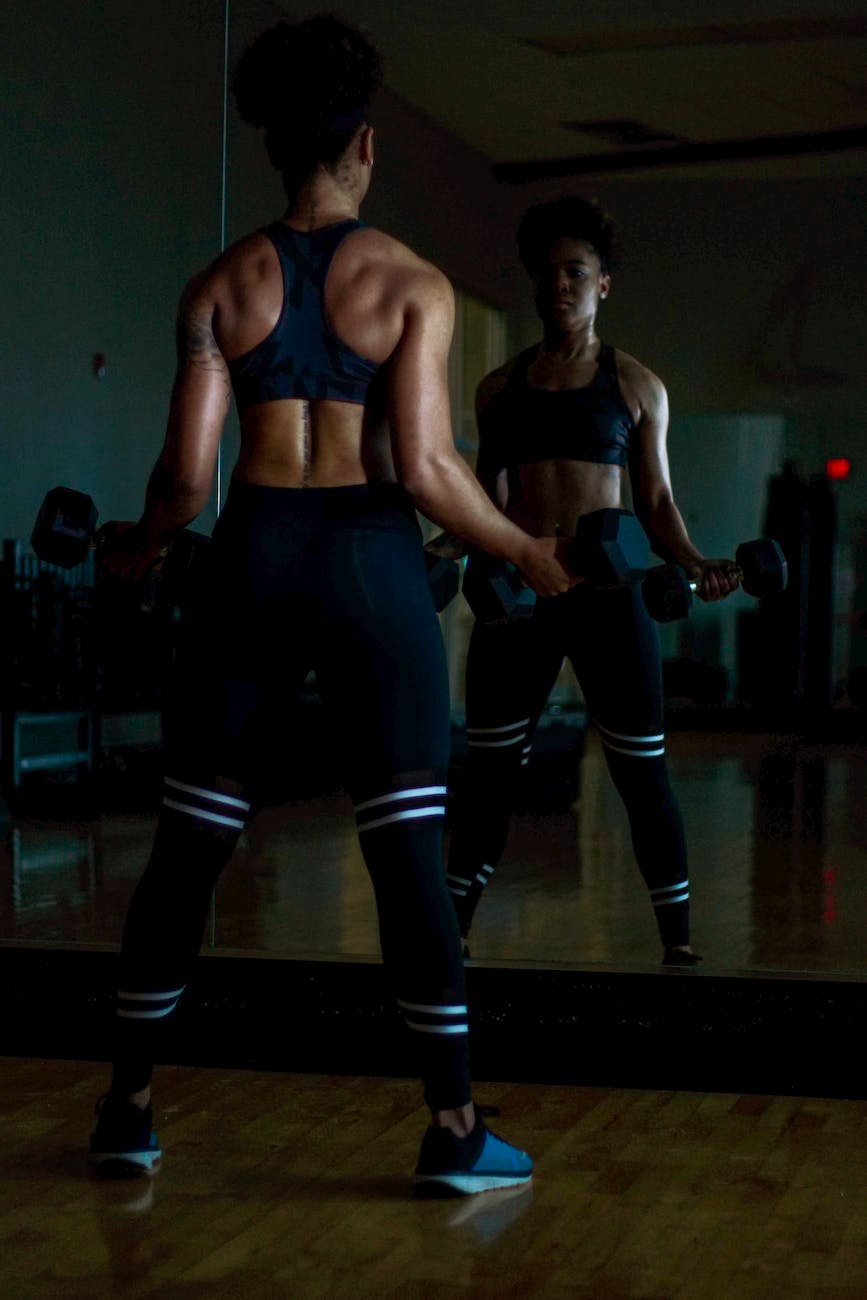
I hate how much I hated myself. Like it sucks not wanting to be in pictures, not wearing a piece of clothing because it doesn’t flatter you, having to take breaks from social media because you are exhausted from comparing yourself to everyone else on the internet, I could honestly go on about the endless amounts of things I skipped out on because of how I saw myself. In a world where straight, higher class men set the standards for literally everything and everyone, I fell into the trap where I thought I had to change my whole entire being. This is because our society has fantasized a certain look for a “woman.” small, tiny, dainty are just some of the nonstop chatter that would repeat in my head telling me that this is what I had to look like, and I didnt look like that. As a result of this, I started to under-eat and overwork my body. I had successfully fallen into the never ending vicious cycle. This was the start of how I changed my view on working out. I always went to the gym to be smaller. I wanted smaller calves, smaller arms, and a small waist. I wanted to feel “dainty.” When I say I used to overwork my body I was not kidding, like I went to the gym twice a day, everyday for hours. Because I was so scared of gaining weight I would not replenish my body at all, it honestly got very dangerous and out of hand for me.

However, I started going to the gym with friends, and they would say things like “yo look how big my muscles are getting” and they were excited. It genuinely confused me, why did they want to get bigger, but it was all because they had grown up with a different experience. They didn’t view the body as something that needed to look a certain way, but as something that needed to be taken care of. These types of relationships started helping me change my experience and view on my own body.

I started to see my perspective change and view my body in a different way depending on the environment that I was in. Being in the gym, a place where “you’re getting big” and “look at your gains” is the biggest compliment you can get that completely changed my ideology of my own body. I found myself yearning to get those kinds of compliments and over time I also found myself not wanting to be called dainty, but strong. I wanted to be strong and healthy. The gym changed my definition of “attractive,” it was no longer under-eating, basically depriving myself of my nutritional needs, but to fuel and nourish my body. To care after my body so that I could show up, be present, and take those pictures i had once shied away from   

In conclusion, my phenomenology with my own body was destroying myself. I was not able to see myself worthy of nourishment and care, more as a machine that needed to constantly look perfect. I was so stuck in that mindset that I was destroying myself without even consciously trying to. Going to the gym and picking up the weights changed my perspective of my own body. My definition of myself changed when I changed to a different environment. Before going to the gym if someone had told me I looked big, I’d be devastated, but because of how the gym changed my mindset, i have been working on taking it as a compliment.

Photo by Eduardo Romero on Pexels.com