Universities in COVID-19 Quarantine Aftermath

It has been almost two years since universities everywhere had to shut their doors and make the initial quick transition entirely online. After about 3 semesters of learning entirely through the screen of my laptop, sitting on my bedroom floor, I was excited to finally return to campus. However, my excitement was terminated quickly as I became increasingly disappointed by decisions made by professors and the university as a whole during the transition.

I think much of my disappointment stemmed from my ostensibly naïve assumptions that professors and administrators would have learned something from the pandemic’s influence on education. COVID really underscored the fact that being sick is not just an individual issue, but a social one as well. Illnesses are contagious. They are not something to “power through” and ignore just to show up to class. So, I was amazed to see that multiple of my classes still had very strict attendance and illness policies. I do not understand how it could at all be advisable to only have 1-2 allowed absences before a doctor’s note would be required (also while the pandemic is STILL going on).

Another major disappointment was that most of the professors did not take advantage of a lot of the online learning tools we all became familiar with over the past year and a half to continue to make education more accessible. As we are still in a pandemic, it should be expected that those same factors influencing access to education, mental health concerns, etc. during the online portion would still be at play in person. Yet so few of my professors saw an opportunity to allow for asynchronous engagement with the material, or for recorded lectures to make up a missed class.

Over the online portion of the pandemic, many professors were more receptive to student feedback and requests as well as more lenient and empathetic to an extenuating circumstance. However, in-person all of that seemed to disappear yet again. A combination of all of these previously mentioned factors puts students in a very high anxiety dilemma during the end tail of a pandemic. The student does not have access to alternative delivery of material if they get sick and they do not have the flexibility worked into the syllabus to allow them to minimize consequence if they were to take more than a day off.  It puts the student in a position where their only available options are to put others and themselves at risk but continuing to attend class or risk their own grade and even the possibility of a direct point reduction for missing in-person classes and discussions.  

Overall, I was very upset with my experience back in person. If the university is going to put signs up and send emails out encouraging students to stay home if they are sick, then they need to ensure their faculty are writing syllabi and enforcing policy consistent with it.  
Social Media and Mental Health Stigma

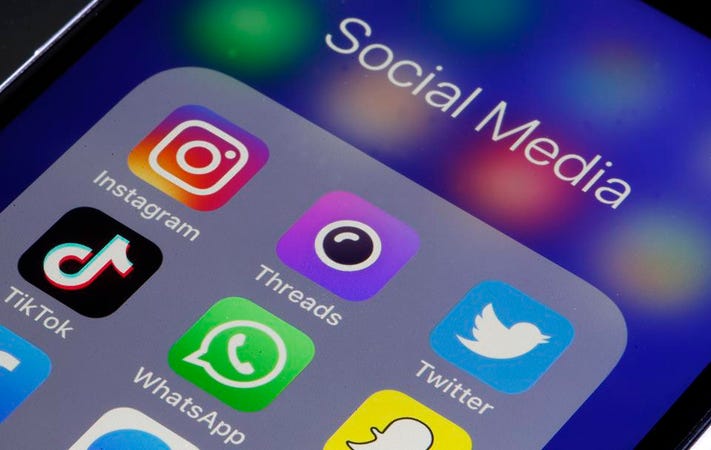
            I love Tiktok. I spend entirely too much time on the app. However, a lot of the videos that pop up on my “for you page” function in an attempt to make mental illness/neurodivergence “trendy.” These videos are typical of people who have diagnosed themselves with serious mental illnesses based on a watered-down, or inaccurate list of symptoms. I have seen BPD, bipolar disorder, DID and Tourette’s included in these self-diagnoses. Increasing exposure to mental health has not decreased the stigma. Rather it has led to people pathologizing regular human emotions. Part of being human is to experience a range of emotions. It is normal to be anxious when there are stressors present in your life; normal to be sad as a reaction to circumstance; normal to have good days and bad days. However, by associating any and every emotion deviating from contentment with a mood disorder, it makes things worse for those with mental illnesses.

            People preach about prioritizing and caring for mental health but only when it looks a specific way. For a specific example, it was a trend for people to post videos of them dying their hair and cleaning their room late at night and refer to it as mania. Although illness does exist on a spectrum everyone’s experience will vary in severity, reducing mania to box dye and a productive late night is incredibly problematic. It increases stigma for those who experience the more severe symptoms, ironically a lot of which are actually required for diagnosis. The DSM-5 characterizes mania for Bipolar I disorder as commonly being associated with hospitalization, psychotic symptoms, and an observable consequence regarding occupation and interpersonal relationships. Yet the same people diagnosing themselves with Bipolar disorder for their DIY hair project, judge those who experience this actual diagnostic criterion. On Twitter I see the same people posting positively about taking mental health days, tweet negative comments about someone’s depression room. As someone who struggles with mental illness, it sucks to listen to so many people around me diagnose themselves with and romanticize an illness that has caused serious detriment in my life.

            I think a lot of people feel as though they need a label to validate their own feelings. Pain, sadness, and stress can be valid, acknowledged, and empathized with even without a disorder. They can be real on their own. I am not saying the topic of mental health should be exclusive to those with illnesses either. It is important for everyone to listen to their minds to treat themselves with kindness and care, to take breaks when needed, and to recognize mental limits, similar to how you need to care for your physical body.  But a boundary needs to exist and wearing someone’s illness as a costume is insensitive.

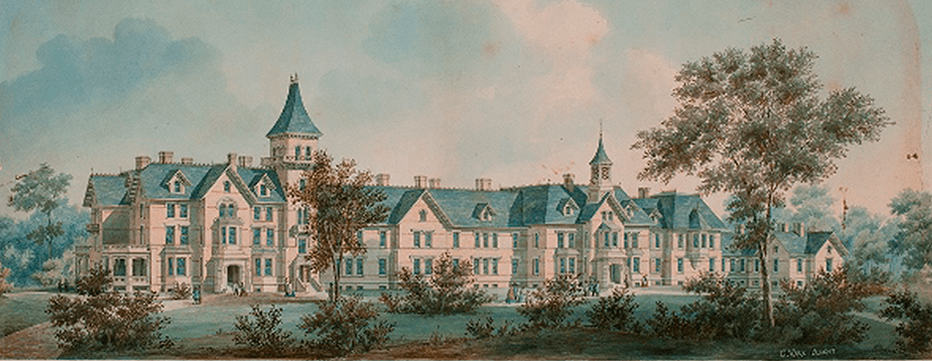
The Modern Asylum

            When I was in high school, I was admitted to Sheppard Pratt for mental health related issues. I was not doing well and was seeking professional treatment. However, this is not at all what I received from one of the “top 10 psychiatric hospitals in the nation.”

            I was 17 years old and put in a group for adolescents ages 12-17. This alone was an isolating experience as I was nearly an adult and expected to contribute to group therapy with children just starting middle school. Participation was mandatory but anything shared was immediately used against you and could even result in punishment. If anyone mentioned that they had previously engaged in any drug use, self-harm or other negative coping mechanisms, the group leaders would humiliate and lecture them during group. The smallest emotional reaction would result in getting sent out to the “quiet room” to sit there by yourself until one of the group leaders thought it would be okay for you to return. The explanation for this is that your time in isolation was supposed to help you calm down and relax but it felt more like being put in a time out corner.

            We were pat down every day and our pockets were checked before we could go to our small groups. We could not have shoelaces, use pencils with erasers or pens. We were not allowed to sit close to one another or socialize. During lunch we had to sit a few feet apart from one another and watched the move RV (by the end of my time there I swear I saw it about 10 times). We were threatened to be sent to the more intensive unit if we did not get better. These threats were often incorporated with stories of children screaming and resisting as they had to be restrained and sent off. I do understand that some of these rules and regulations exist to prevent people from causing harm to themselves or others but much of it felt like imprisonment and it definitely did not create a comfortable environment to get well in.

            One of my worst experiences there was a few days into my stay when a 12-year-old who was taken there on the “bus” with me (I say bus in quotations because that’s how it was referred to, but it was really just a Ford Flex with like 3 kids in it) privately reported to the administrators that I was smoking cigarettes on the bus. When they heard this, they sent three adults to pull me out of group in front of everyone and take me into a private room where they forced me to strip down into my underwear in search of these cigarettes I was accused of possessing. I was sobbing as I had to get practically naked in front of multiple strangers who were reprimanding me the entire time. I had not smoked on the bus and I did not have any cigarettes on me. When they found none, they told me to get dressed and return to group, barely giving me time to wipe my tears. Later, during my family meeting, my social worker had informed my family and I that these administrators did not ask the driver or any of the other children in the car before searching me. If they had taken time to fact check the information given to them by a child, the search would have never happened. I also was confused at the whole situation because logically it would be impossible for me to role down a window and smoke a cigarette without the driver noticing and I’m sure if I did, he would have reported it himself.

            I left my time in the hospital feeling even more hopeless than I was when I arrived. When you are struggling with mental illness there is so much general encouragement to go to therapy, to go get help but what are you supposed to do when that help fails you? Because I was mentally ill, I was treated as incompetent and felt stripped of my autonomy. None of the professionals there respected me as a person. It was humiliating and dehumanizing. I know that my experience is not an isolated one, nor the worst I’ve ever heard of. Many of my friends who were sent away for residential treatment were subjected to physical punishment and abuse. It is taught as though the mental asylum model where mentally ill and disabled people were subject to torture and neglect is just a thing of the past. Although a lot of methods and practices formally used in these institutions are now illegal, it is still very legal for minors to be abducted in the night by transporters and sent states away to mental institutions. It is still very legal for mentally ill individuals to be kept in cramped dorm rooms with little to no privacy. It is still legal to cut off an institutionalized child’s communication to the world.

This link is a petition to close down one of the residential treatment centers a friend of mine attended involuntarily. Please sign! The comments show a lot of the experiences individuals have had there.

Health Conscious

TW: Restrictive eating/ED

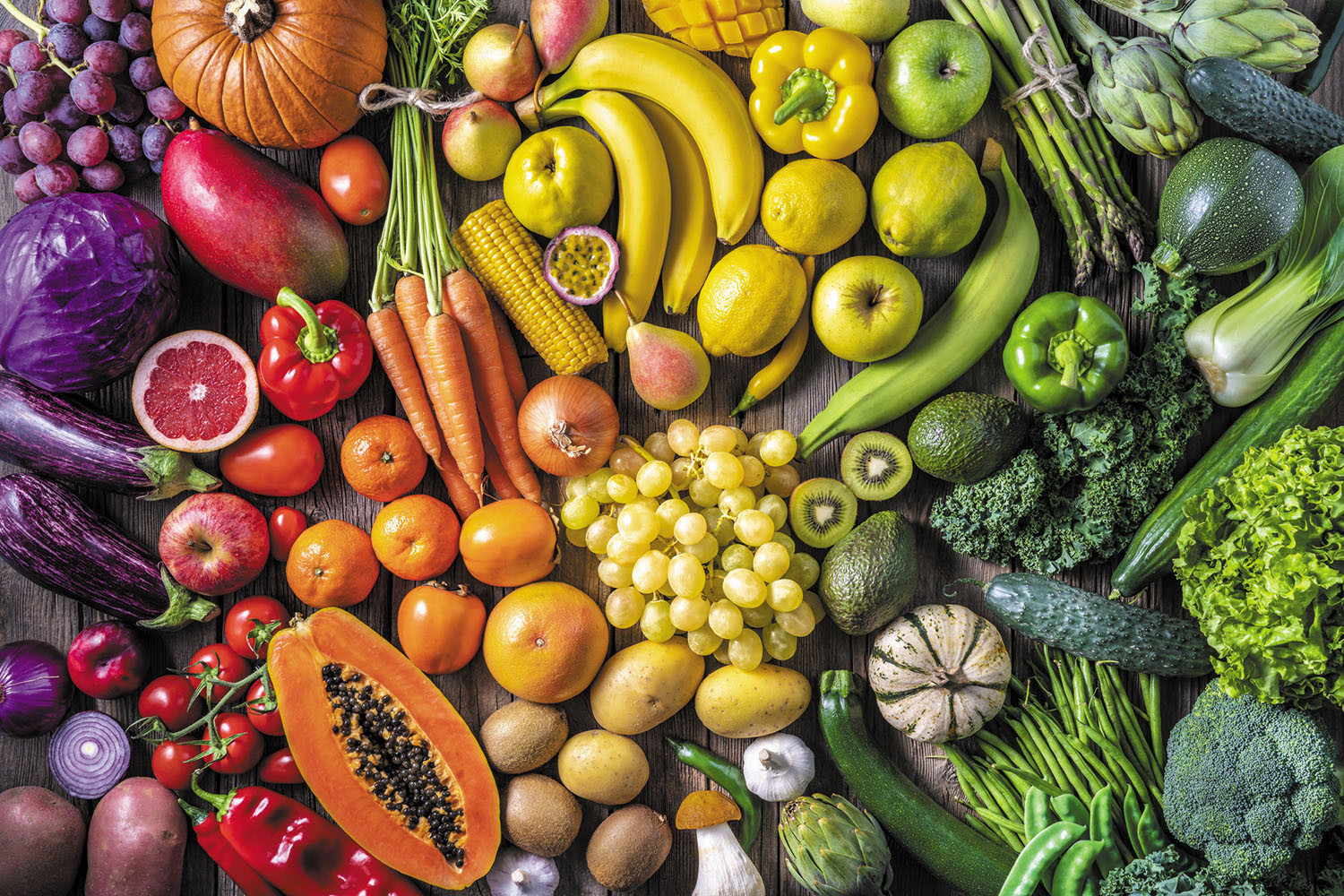
From the time I could chew my diet was heavily restricted. There were rules for what foods were okay and what foods were not – the latter being a far longer list. My mother had a goal to raise her children on only “nutritious” food. Desserts were for special occasions, vegetables were the focus of every meal, organic only, no GMOs, no processed foods, no refined or added sugars. Even raisin bran was considered unhealthy because the raisins had added sugar; so instead our version of raisin bran consisted of low sugar bran flakes with raisins to be added in separately.

The pressure to eat healthy followed me around everywhere, not just inside the home. At sleepovers with friends when dinners consisted of any “bad” food, I would often go without eating if there was no alternative. As a result of both this disordered relationship with food as well as genetics, I was skinny and it became my identity.

I felt as though my thinness made me more deserving of my mother’s love. She took pride in how willingly I adhered to her strict food rules. When other parents would complain about not being able to get their children to eat vegetables, my mother would boast that they were practically all I ate. My sister on the other hand, had the build of a normal healthy child and received the opposite treatment from my mother. My mom would constantly talk to me behind my sister’s back about how she was concerned on how “chubby” her 6-year-old daughter was getting. She began refusing my sister snacks even on special occasions.

It was through these conversations with my mom that I became even more conscious of my food consumption, terrified that if I were to gain weight, she would treat me like my sister. Eventually, my restriction exceeded that of which was encouraged by my parents. I started skipping breakfast and lunch on the weekdays when they wouldn’t notice. On nights where I was in charge of making my own dinner, I’d go without it as well.

As a dancer, I received so many positive comments on my sickly body. My teachers would compliment me or make comments on how they wish their bodies were as thin as mine. Ballet also gave me a chance to constantly critique my own body, standing in a room covered in mirrors in nothing but a leotard 7 days a week. My classmates would make fun of me for my stick like legs and my protruding ribcage, but by then even the negative remarks fueled the disorder; they were simply affirmation on the one trait I let consume my entire identity.

Throughout all of this, I was so unaware that I was being unhealthily restrictive. I even diagnosed myself with a food addiction because of how often I thought of food and how I was unable to restrict as much as I wanted to. It took major life events and years of separation from my mother for me to realize I was sick and then a couple more years for me to forgive my mom for her influence on the development of my fear of food.