Justice for Disabilities

Disability justice movements are social justice movements that seek to challenge and dismantle ableism. Ableism is the discrimination and oppression of people with disabilities. Disability justice advocates argue that ableism perpetuates harmful stereotypes and barriers that prevent people with disabilities from fully participating in society.

Disability justice movements often work towards a wide range of goals, including increasing accessibility and inclusion, challenging stigma against disabilities, and promoting the rights and autonomy of people with disabilities. This can involve advocating for policies that support the independence of people with disabilities, such as accessible housing, public transportation, and employment options. For example, The Americans with Disabilities Act fights for prohibiting discrimination against people with disabilities in all public and private spaces.
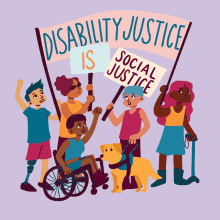
There are many organizations and initiatives that work towards disability justice, including disability rights groups, disability justice collectives, and disability-led organizations. These groups often participate in and organize community activities, including advocacy and educating the general public. Another big group is the Disability Justice Initiative who fight for rights of disabled people of color so that they can participate in America’s economy and democracy.

However, sometimes people find it hard to join in activism activities because it requires a lot of time, energy and resources, or some people just aren’t outgoing enough, or because they experience public humiliation when others misinterpret the cause, and many more reasons. There are many other ways to support the disability activism without actively going to organized events though. You could share and boost articles about advocating for disabilities on social media. You could be more open to discuss disability activism in casual conversations, (of course at an appropriate time). You could vote for laws and policies that support accessibility and inclusion. This particular action is very impactful because it emphasizes it as a national issue.

Whether it is just liking a post about disability justice movements or actively joining a community activists’ event, any amount of recognition for intersections of disability work towards creating a more equitable and just world.
Disability Discrimination

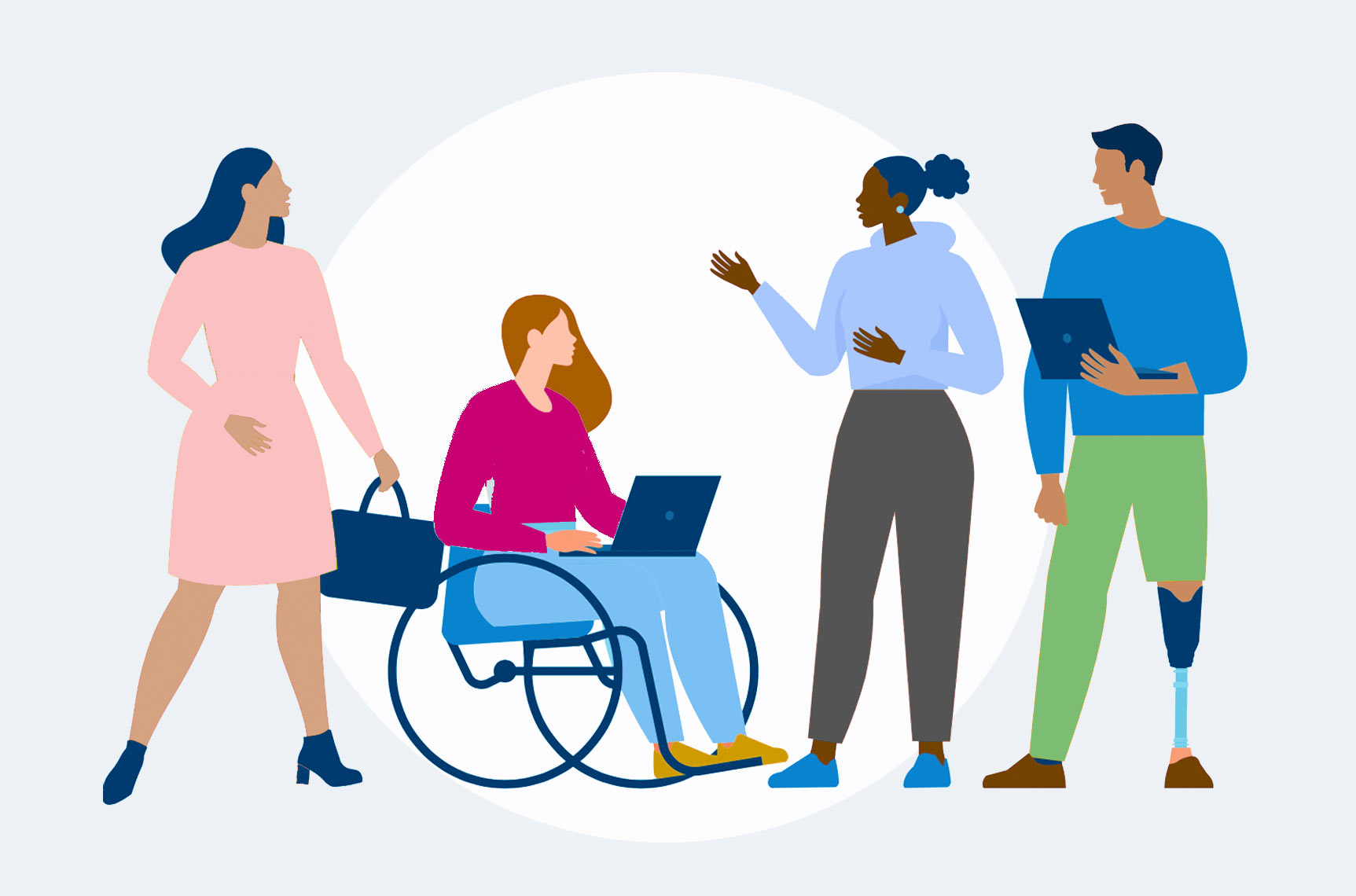
People with disabilities have always been discriminated against since the beginning of the human race. Some people argue that perhaps its just “survival of the fittest”. However, society’s ignorant mindset has really been the reason why disability discrimination is still prevalent today. Some things that need to change include, but are not limited to, inclusion, accommodation, and removal of social barriers.

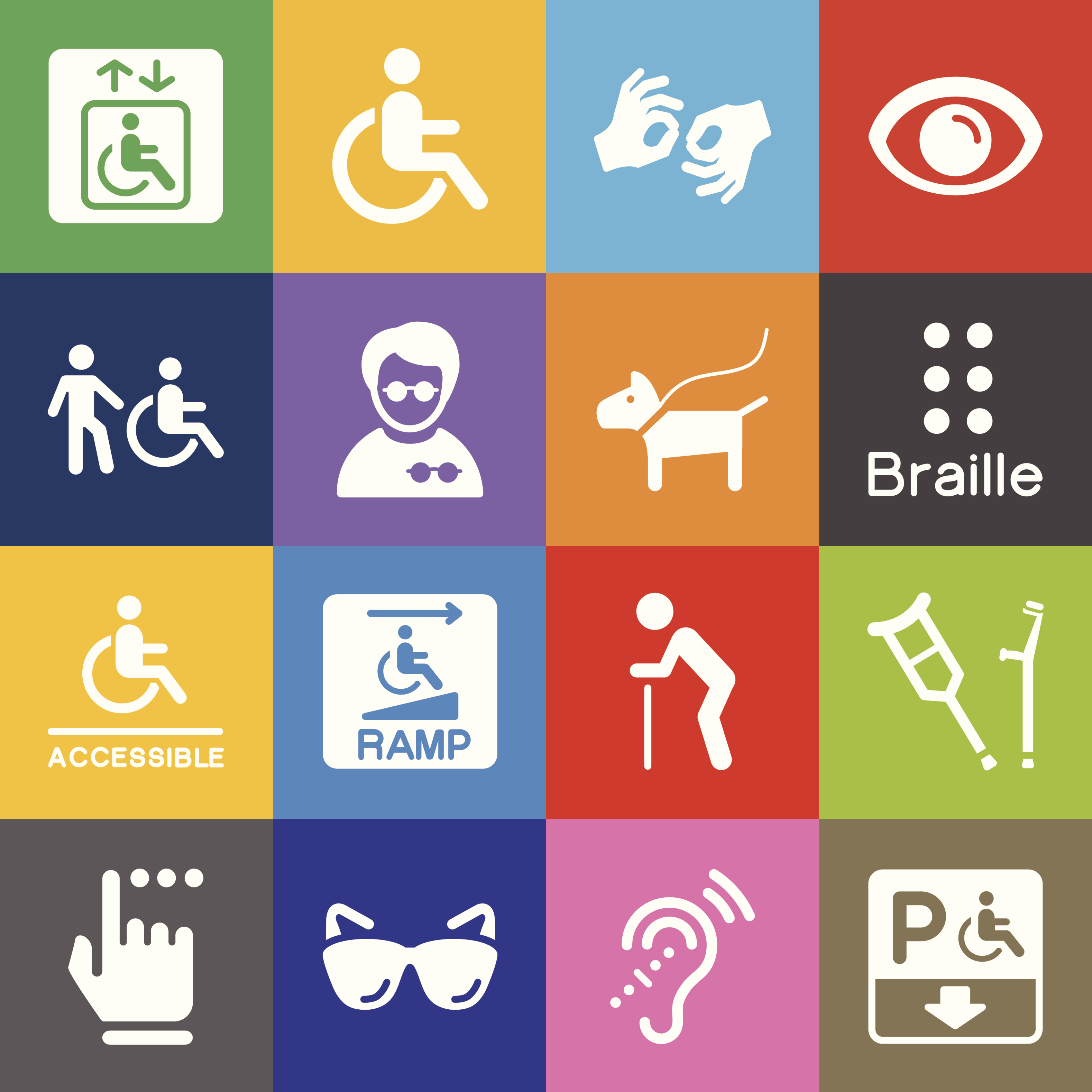
Educational institutions and workplaces must be inclusive to disabled individuals. Public facilities need to be built with accommodations available. People with disabilities must be able to safely enter, exit, and use any public spaces. This includes bathrooms, elevators, public parking, etc. Additionally, Educational admissions should not decline students due to any sort of disabilities. Schools should provide accommodations such as additional time to complete course materials and having notetaking assistance. Employers should also not segregate job applicants with disabilities. Workplaces should provide equality and diversity training in order for all employees to recognized and understand the concept of disability discrimination. People with disabilities are often denied the right to work because of unconscious biases or lack work experience because of disability discrimination in the job market. This in turn leads to a percentage of disabled individuals to fall into the impoverished category where increased chances of discrimination occurs. Economic stability is needed for people with disabilities to access necessary resources that address their conditions.

Although there are laws implemented to protect disabled individuals like Americans with Disabilities Act, stigma against disabilities still cause people to find loopholes and not abided to those laws. Stigmatization is the root cause of disability discrimination because it makes social interactions difficult for disabled individuals. These social barriers need to be broken down. Some ways it can be removed are through advocating and educating the public. Normalizing discussion and holding people accountable will slowly dissolve disability discrimination.

Does BMI Accurately Calculate Healthiness?

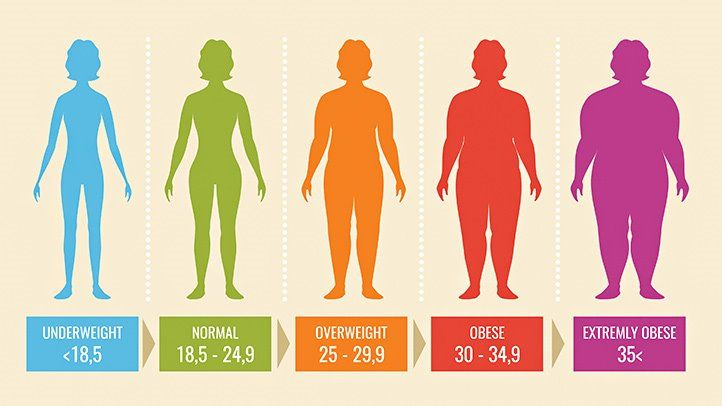
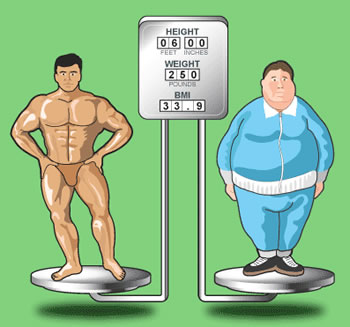
How would you describe a healthy body? Is it thin? Round? Muscular? Lean? Supposedly, BMI can distinguish the healthiness of different body types. The BMI, or body mass index, is a measurement of body fat based on height and weight. To calculate it, you take a person’s weight and divide by the square of height. This ratio suggests weight categories that predict future health problems. Basically, if you are lighter, you have a lower BMI and if you’re heavier, you have a higher BMI. The CDC says, “It does not diagnose the body fatness or health of an individual.” However, most medical professionals treat the BMI as a measurement of body healthiness, regardless of what the BMI was intentionally made for. So, how accurate is the BMI really?

A study performed in 2016 compared weight and physical activity to the risk of cardiovascular disease. The subjects consisted of people who had an ideal BMI but didn’t exercise regularly, people who had an ideal BMI and did exercise regularly, people who had a higher BMI and didn’t exercise regularly, and people who had a higher BMI and did exercise regularly. The results were as follows. Some of those who were thin but were not active still had high risk of diabetes and heart disease. Same goes for those who had higher BMIs and also were not active. The groups of people who had the lowest risk of diseases were those who were consistently active, regardless of BMI.

Essentially, BMI did not accurately predict the healthiness of the individuals. Just because someone has a low BMI does not mean that they are free of any heart diseases or diabetes. On the other hand, just because someone has a high BMI does not mean that they are unhealthy and prone to disease. Instead, the physical activeness of an individual is the best determining factor of one’s healthiness.

Same But Different

People are all brought into this world as newborns not knowing a single thing. We all have the same beginnings so why is it that we are all so unique? Phenomenological research, answers that question. Everyone experiences the world and interacts with the world in their own distinctive ways. For example, if I compared my childhood to my father’s, our daily schedules were the exact same, but every encounter was completely different.

I woke up and got dressed in fresh, clean clothes. He woke up and wore the same clothes he slept in. I ate a nutritious breakfast with oats and eggs. He ate a plain piece of bread. I rode the bus to school. He walked three miles to school. I sat at a desk and took notes with a pencil and notebook. He snuck into a random class and took notes mentally because he couldn’t pay his teacher. I went home to do homework. He went home to plow the fields. I ate a bowl of spiced noodles for dinner. He had a bowl of plain porridge for dinner. I showered in a bathtub. He bathed himself in a lake. I slept on a soft mattress, covered with a blanket. He slept on a straw mat, next to a small fire.

His background led him to become strong headed and incredibly traditional. Every decision he makes is based on survival, regardless of any emotional appeal. Although, he tries to push his values onto me, I disagree with many of them. The way we each view the world are very unalike because we had different scenarios thrown at us, even if it was the same task. This form of comparison is very limiting because we can only analyze specific situations, but it is still insightful into how people develop their set of morals as they react to their experiences.