
When we think about a pandemic, our mind will often wander towards the state and federal declaration of a state of emergency. But if the disease is still around, why do we treat as if it’s over when the funding is pulled?
During the height of COVID, most took precautions. Not only for those who are abled, but especially for our loved ones who were most vulnerable. This can include those who are immunocompromised, those of older age, and people with chronic illnesses that would make it hard to overcome not only the symptoms of COVID, but their bodies’ ability to fight the disease. We saw people wearing masks, face coverings, and being extra aware of how close we are to others. From the height of the pandemic, we also started to really think about how diseases can spread and how to prevent the spread.
After all we have learned about slowing the spread of disease with technology, like vaccines, we are still willing to take a chance today. We found it crucial to protect the non-abled bodies, but once the government tells us that it is no longer a “current issue,” we should move past all those policies that were put in place to keep us safe. In reality, we can now understand that the government has no interest in equity in public health.
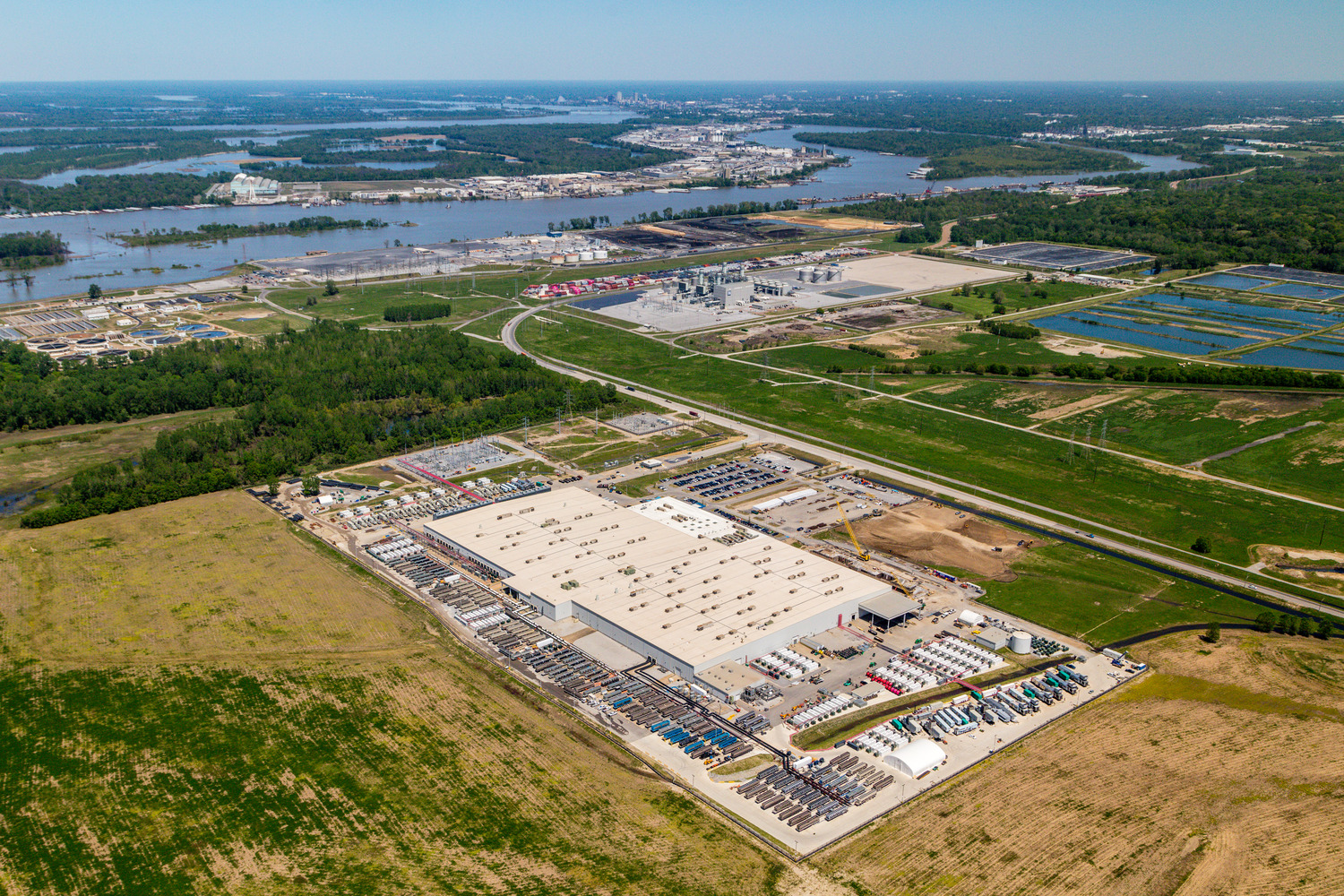
We see it in accessibility. We have our close-knit communities that gather with no care for those same people in their communities, who could face serious consequences if they were to be put into an environment where they could be exposed. In “You Are Not Entitled to Our Deaths: COVID, Abled Supremacy & Interdependence,” Mia Mingus highlights the stigma around basic safety measures that would help aid the entire public rather than just those of abled-bodies. I could even go on to connect this to those data centers being built that are exposing vulnerable communities to an excessive amount of pollutants that have already given some of the populations diseases like COPD. These populations have no means of just leaving that area to be safe. In the past, we have shed light on the importance of reducing the environmental pollutants for the greater good of public health, but still, governments still accept companies to build high-energy consuming data centers for financial and political gain just like in Memphis where Elon Musk’s data centers have been brought in.
I watched this video, “We Went to the Town Elon Musk Is Poisoning” about the Colossus by Elon Musk’s xAI a while back, and thought about the video during our class discussion when we talked about different communities with COVID that are impacted by the disregard for basic safety measures. Improving our environment has always been the talk, but in policy, we often times see our environment being pushed to the limit.
 Unruly Bodies