
I first heard about “spoon theory” from my mother when I was younger. She had lupus, and hearing “I just don’t have the spoons for that today” wasn’t anything out of the ordinary in the house, it was just another Tuesday. It was the first time I’d heard someone use that example for describing a pretty much invisible currency. I didn’t think about it again for years though, until it was brought up in class, and suddenly, it was linked to the social model of disability.
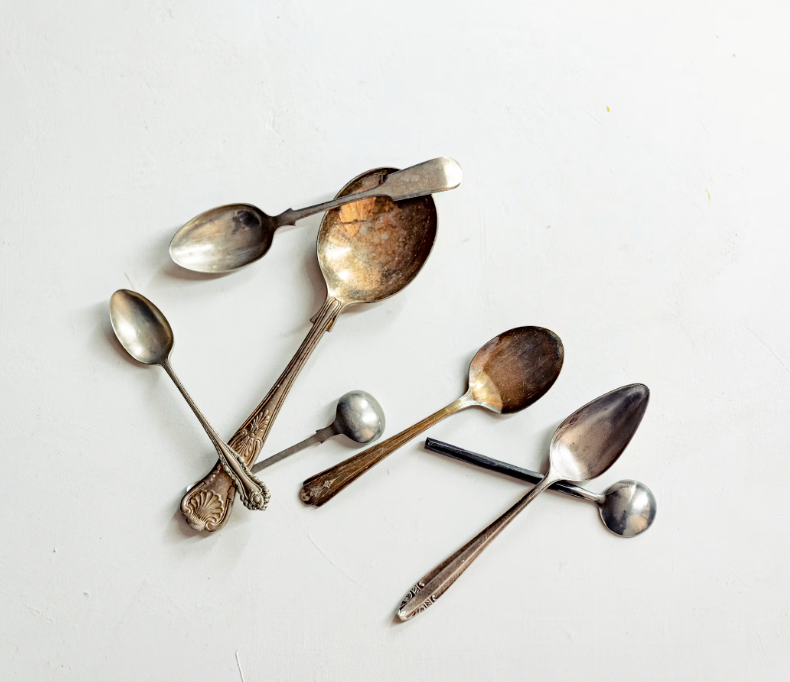
The original metaphor from the text by Mike Oliver (though some may say the idea is limited, even he agrees with a revamp) is deceptively straightforward: you start the day with a fixed number of spoons, and everything costs one. The monitoring, adjusting, recalculating, a whole invisible economy running within that from the outside, looks like nothing at all. What I didn’t think about before the class was how easily that metaphor could get flattened into medical fact, like the body itself is the only thing setting the exchange rate of spoons. The social model says otherwise: disability isn’t just what a body can and can’t do, it’s what happens when that body exists in a world that didn’t consider it or “price it in.” Rigid schedules can disable, harsh lighting can disable, even doctors who don’t believe you the first time.
I started to think about the spoons as a tax on attention, in a way. The mental overload of staying vigilant constantly, which is exhausting even when nobody can see it, maybe even especially since nobody can see it. For people whose disabilities are visible, spoons can be spent managing everyone else around, like we saw in the video Taking a Walk with Judith Butler and Sunaura Taylor. The unsolicited help, the staring, the assumptions made before there’s even a word said. On the other hand, for those whose disabilities live under the skin, the spending can run a different way. Like toward proving the cost is even real in the first place, trying to translate a constant yet silent workload into something digestible for others.
Neither tax is the cheaper one. Both are the price of a world that was built around a narrow idea of what “normal” is. So, why are spoons so damn expensive?
Because nobody who set the price ever had to pay it.
 Unruly Bodies