
** For this blog post, I will be focusing on the perspective and experience of girls and/or femme presenting people. However, I also acknowledge, appreciate and hold space for the damage that is done to little boys and masc. presenting people as well. **
Childhood stories and fairytales do a lot more than just entertain us. They quietly build the blueprint and script for how we’re expected to act, look, and feel as we move through the “innocence” of childhood and into the vulgarity of adulthood. Children are depicted as “women” and portrayed in these fantastical stories as helpless, passive, and submissive objects for others, usually men, to enjoy.
They teach us to surrender our individuality, second-guess our own strength and to exist in a world where we are to be seen and not heard. These classical tropes take away the possibility of being a whole person and remind us that we are simply a body without agency or potential. That is unless, we are in the possession, proximity, or pursuit of a man.
This conditioning is effective and becomes the narrative we carry within ourselves, long after the book closes or the movie credits roll. It shapes not only our own unconscious thoughts and behaviors, but society’s as well. It trains us to judge female bodies, both young and old, as physical objects long before we consider their individual ideas, interests or intellect.
We know these social schemas exist in the world, but it’s easy to overlook the insidious nature in which they show up in our everyday life. Recently, I saw a reel on IG that brought this concept into focus and inspired this blog post. I will be using the original creator’s words and a personal selection of images to illustrate this concept through the lens of the historically problematic empire, Disney.
“If I wanted to disempower an entire generation of women, here’s how I would do it.”
I’d start when they were little and make children’s movies.
Where the most important thing a woman could be, is beautiful.
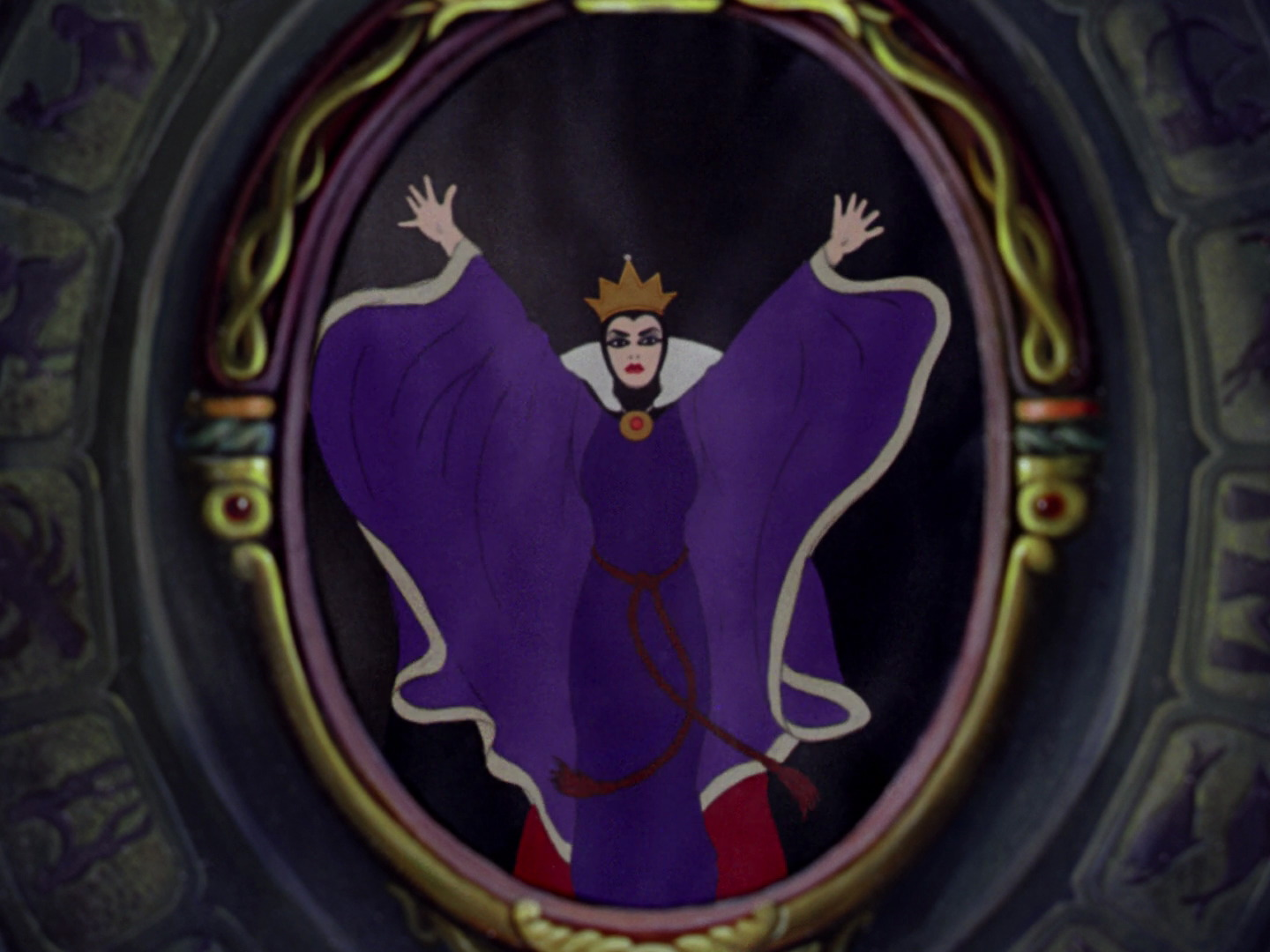
And the greatest thing that could happen to her, is being chosen.
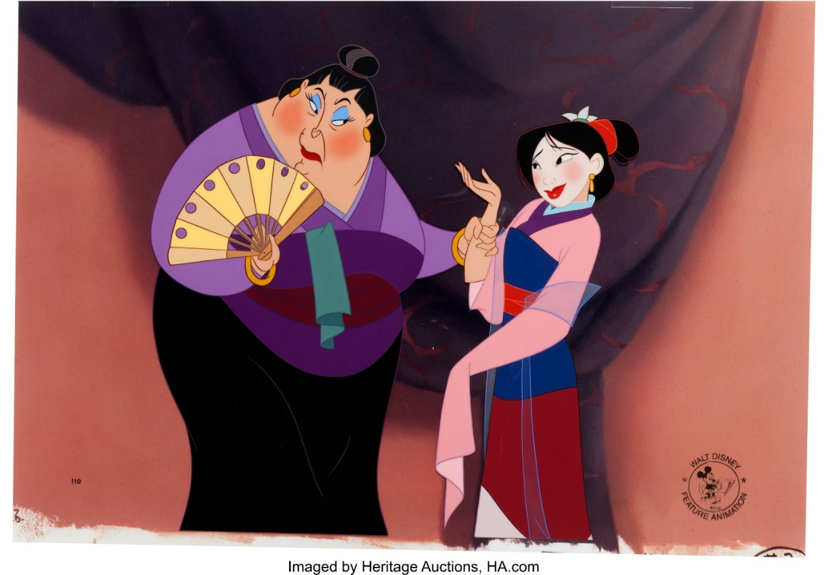
I would teach her that if she is kind enough, pretty enough and patient enough, eventually, a man would come and save her.
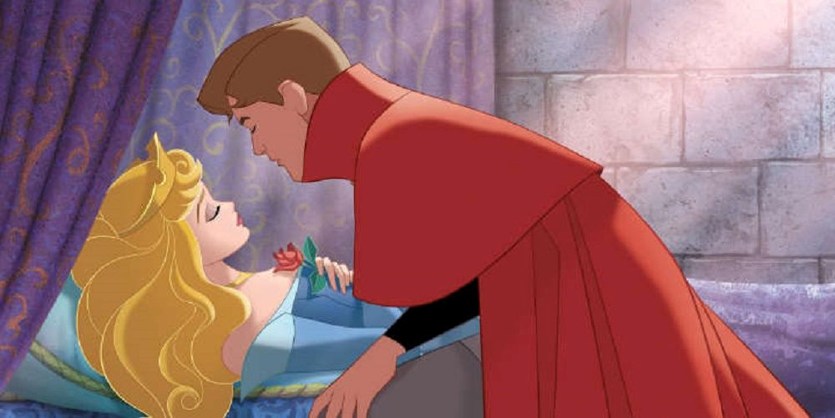
I’d make the Powerful women the Villains,
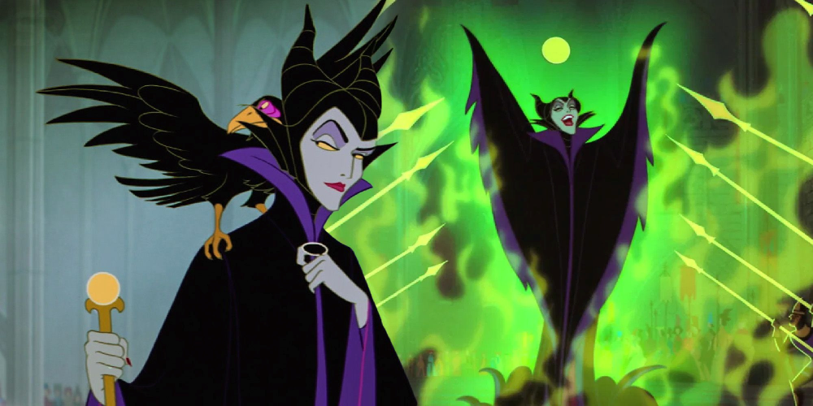
the Angry women the Villains,
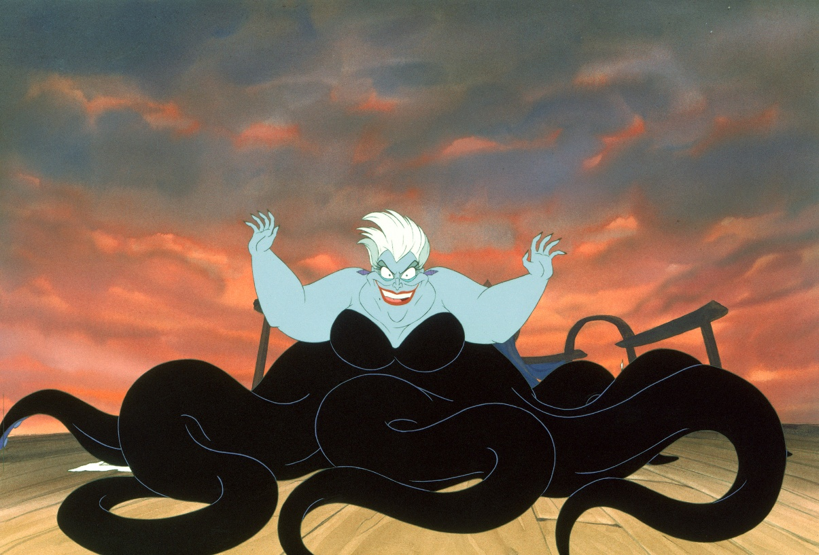
the Aging women, the Villains.
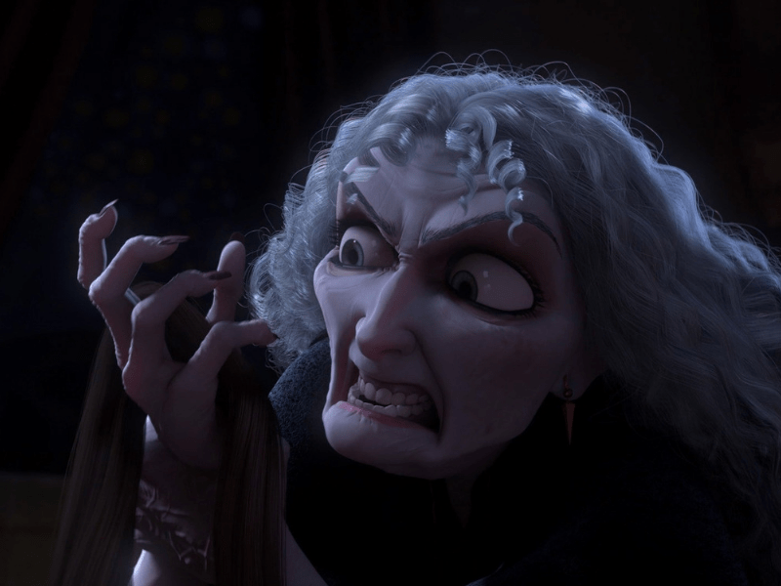
And the women who wanted more? I’d make sure they paid for it.
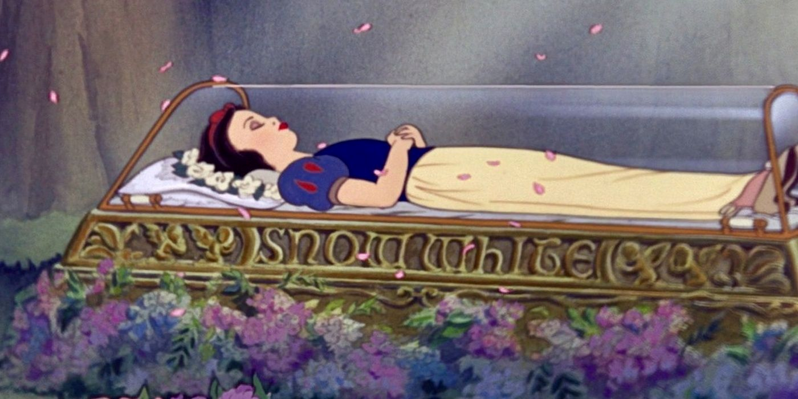
I would teach her that suffering quietly made her good.
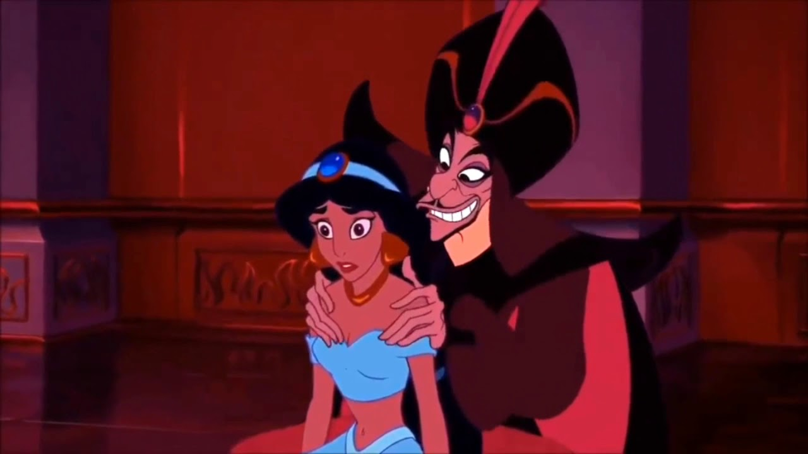
And that love requires sacrifice.
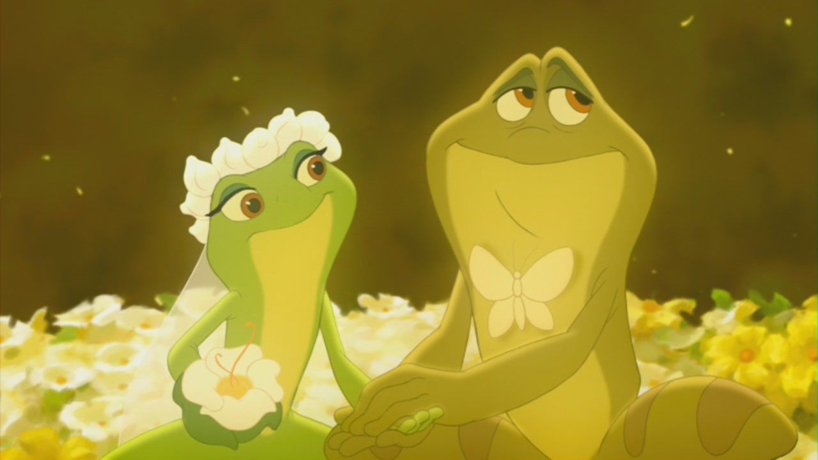
I might even make one of the most beloved princesses give up her literal voice, for a man.
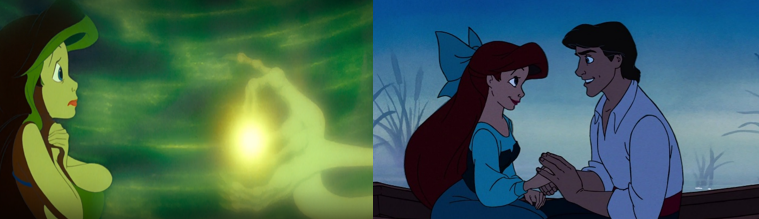
Than, I’d end every story at the same place.
She gets chosen,
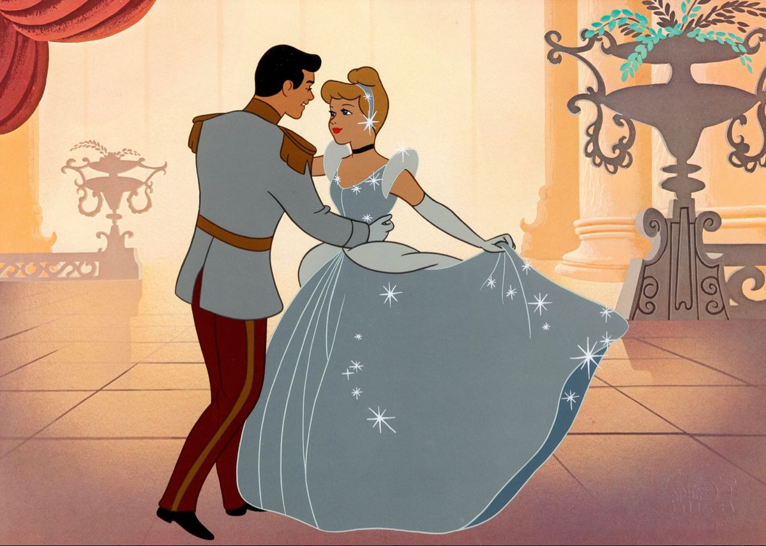
she gets married,
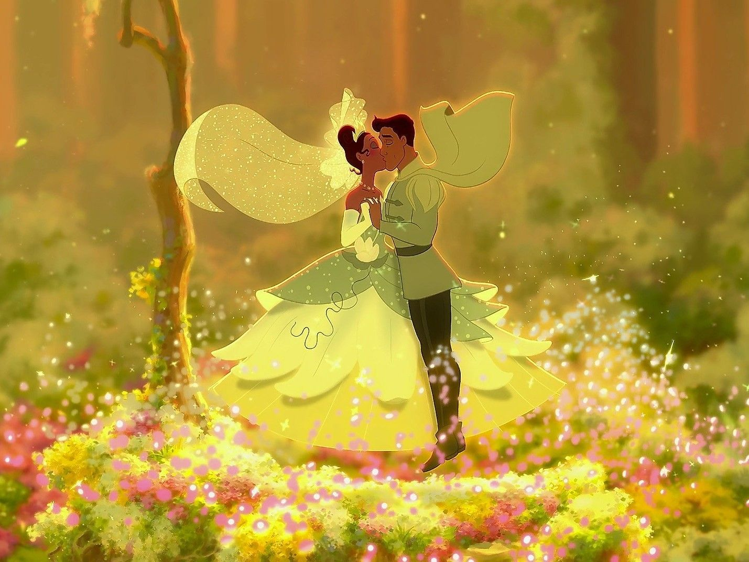
And they lived “Happily Ever After”.
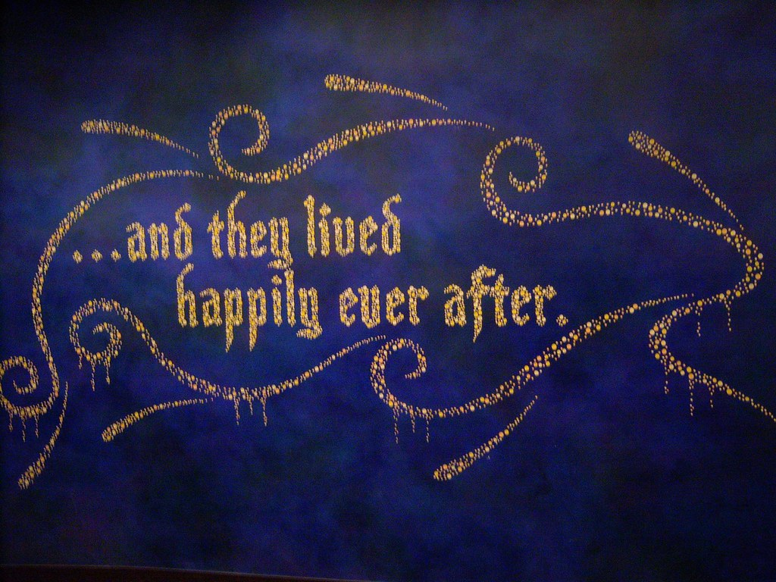
Before she was old enough to ask what she wanted, I’d hand her a script for what a successful life looks like.
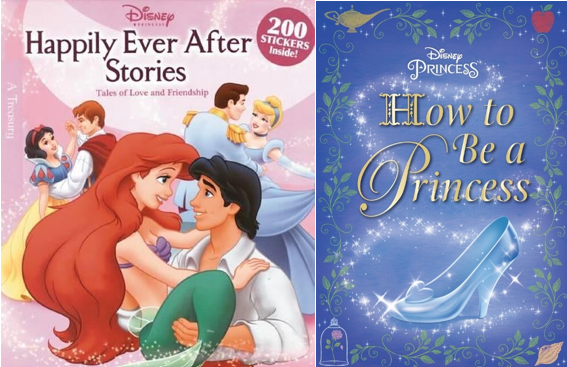
Then, I’d repeat it. Again,
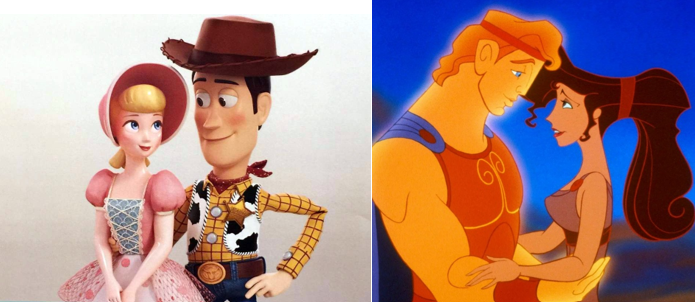
And again.
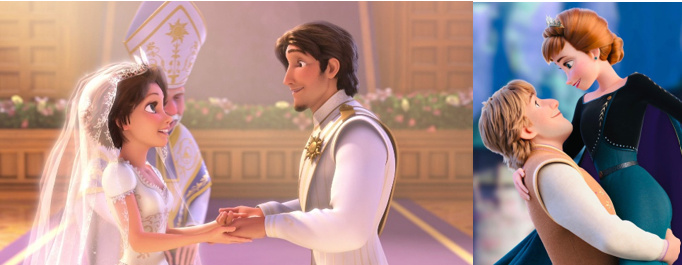
Until one day, she grew up and mistook the script for her own desires.
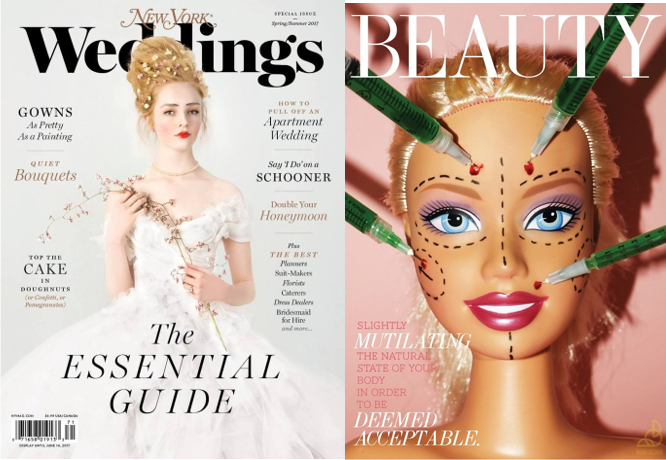
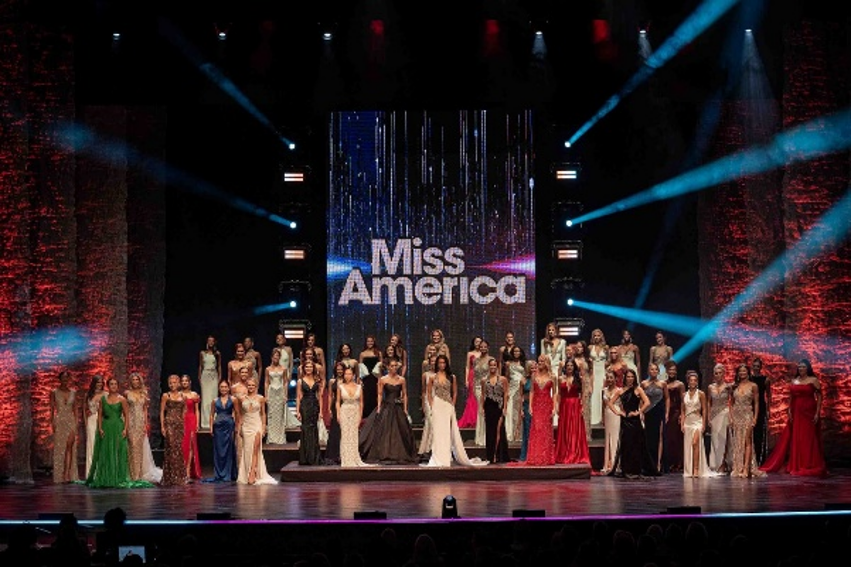
Then one day, she might realize that no one ever took her power from her. They just taught her to look everywhere except inside herself to find it.
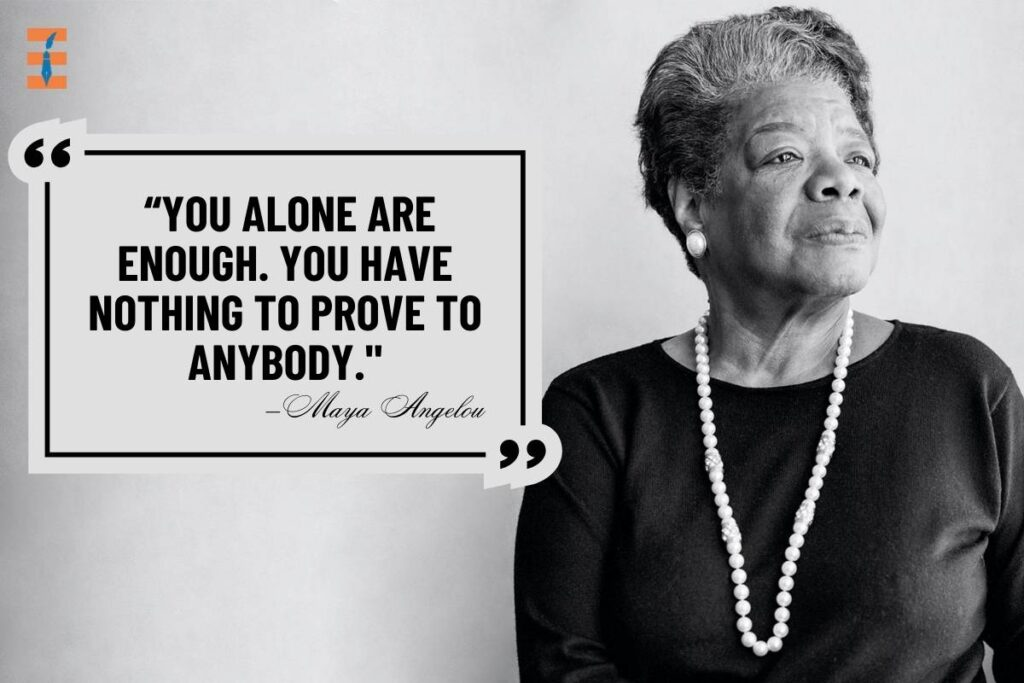
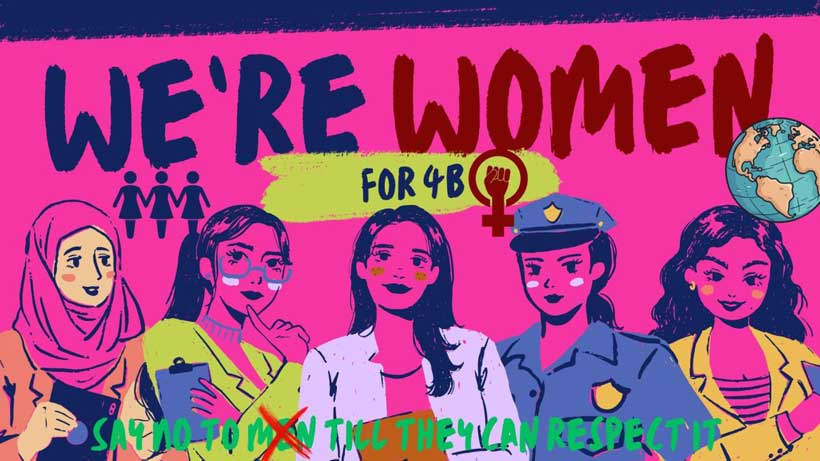
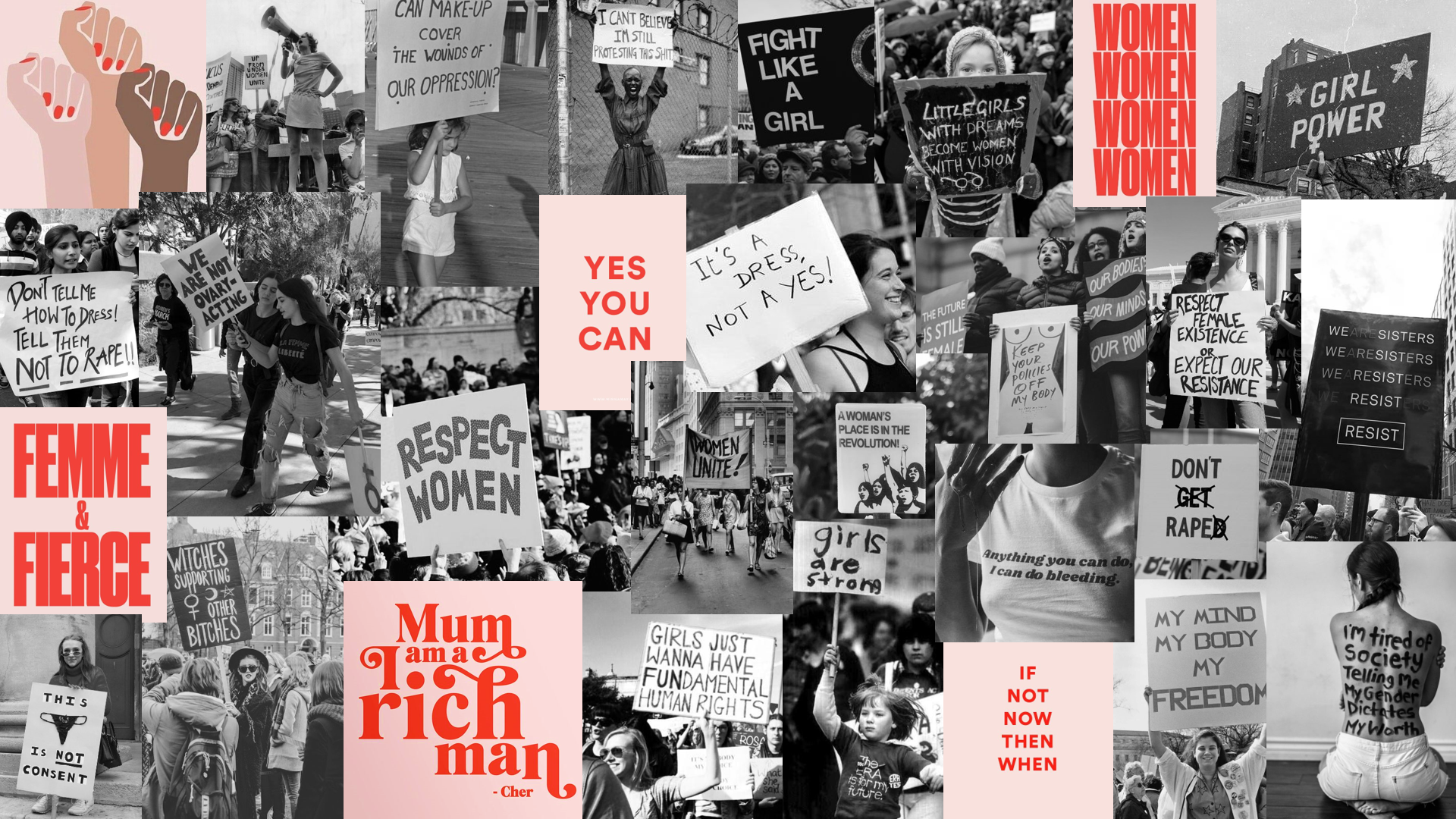
Creator Credit: @kore.sound
It is nearly impossible to escape the messages that are embedded in these narratives. Not only the overt storylines, but also the subtle tropes, serve as invisible templates that teach us “who to be”. These messages are fed to us over and over again, long before we are old enough to recognize and understand the lies. And these expectations don’t just stay inside our heads. They seep into our bodies, settling deep into our bones. We experience these messages as physical oppression, self-doubt and hyper-vigilance. They dictate how we engage in the world, from the way we stand in line to how we speak in class. Because of this, we move through life and engage with others jaded by this filter and guided by this lens. Breaking these cycles and unlearning this script takes deliberate effort from all of us. We aren’t just passive audience members watching these stories play out. Instead, we are active participants in a complex and ongoing experience of learning, unlearning and reimagining ourselves and the world we live in. We can choose to be the heroes of our own stories, instead of accepting the roles that have been assigned to us.
 Unruly Bodies