My Great Grandfather Was Racist

It’s not much of a surprise that a white guy in the 1950s was racist. But reading the paper More Than Just Play by Runstedtler reminded me of one way that he was racist. While my great grandfather and I weren’t alive at the same time, the information that I know about him comes from my grandfather.  One time, my grandfather described his experience of growing up during segregation. He talked about how he had no real exposure to Black people outside of sports, and what his parents told him. 

When my grandfather was pretty young, his father would take him to football games. In these games there would be some Black players, and being curious, my grandfather asked about them. My great grandfather told him that they were the better players because they’re stronger, and aren’t as smart so it would be ok if they got hit in the head more. With no other source of information, it wouldn’t be surprising if my grandfather believed this for years. 

Runstedtler’s paper describes how black people were displayed as primitive, especially in the 1900s. Black athletes were also put on display for the enjoyment of white people.The way that they were shown in sports contributed to how they were seen outside of sports. When you have a generation of white men who’s only exposure to Black people is seeing Black athletes displayed in a subhuman way, it contributes to institutional racism. 

My grandfather’s story helped me to understand how racism is passed down from generation to generation. My grandfather was lucky enough to have his beliefs challenged at a young age, but I wouldn’t be surprised if he is in the minority. Understanding the way that many white people were first exposed to Black people is pretty helpful in understanding why racist views and sentiments continue to this day.
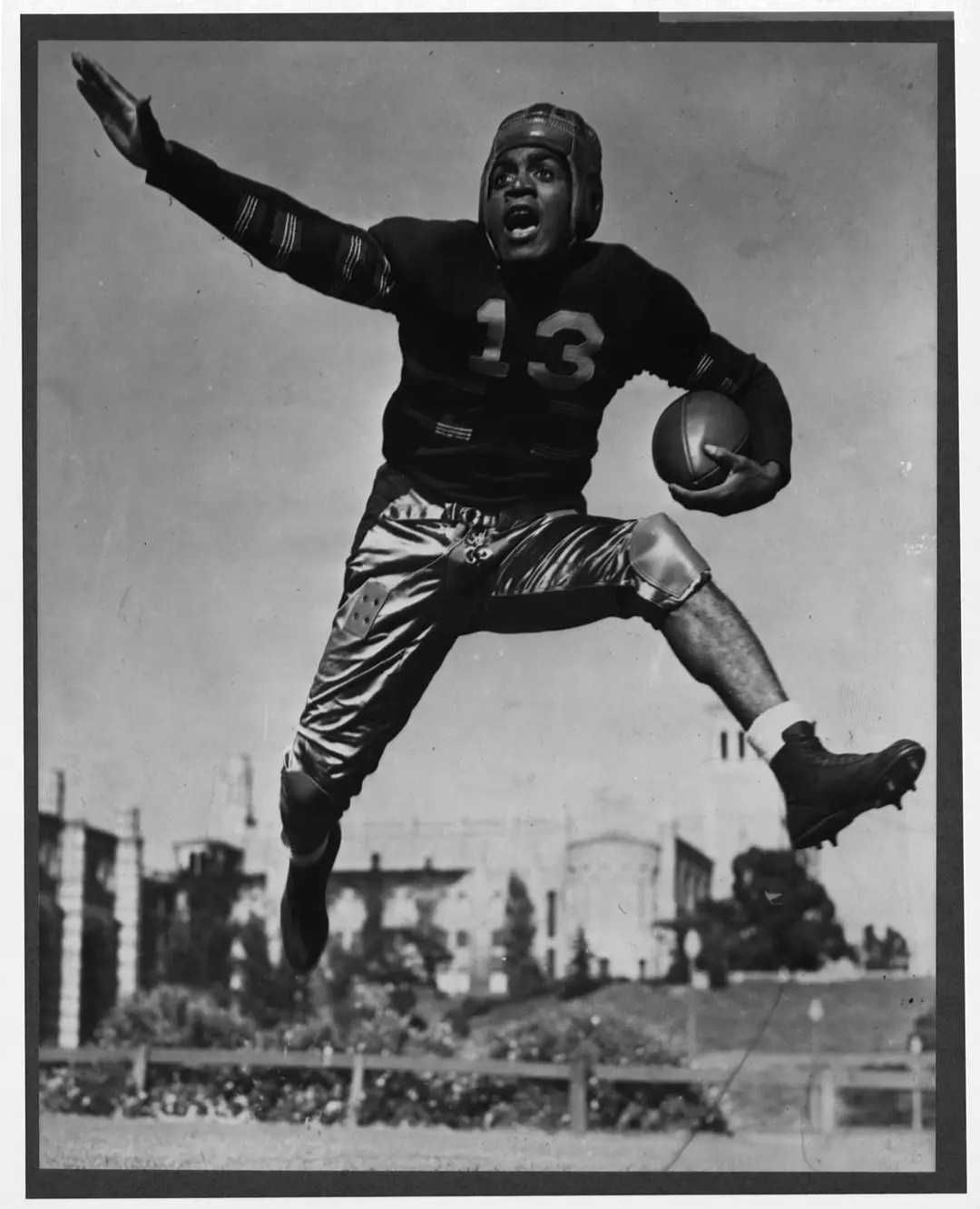
Kenny Washington, one of the first black players in the NFL

Infantilization of Autism

The article on the infantilization of autism really made me think about my cousin who has autism. He’s about 3 years younger than me, so I’ve always seen him as a younger brother. However, reading Stevenson’s article made me wonder if myself and my family have been infantilizing him in some ways. In a lot of ways, he’s like a stereotypical teenager. He can be moody, he likes alone time, and he likes video games. In some other ways, he still enjoys a lot of typical “kid” stuff. He likes Dora and YouTube Kids, a lot of his favorite toys are children toys, and many of his favorite songs are kids songs. Basically, he’s pretty unique in his interests, and doesn’t necessarily act like a stereotypical kid or teenager. 

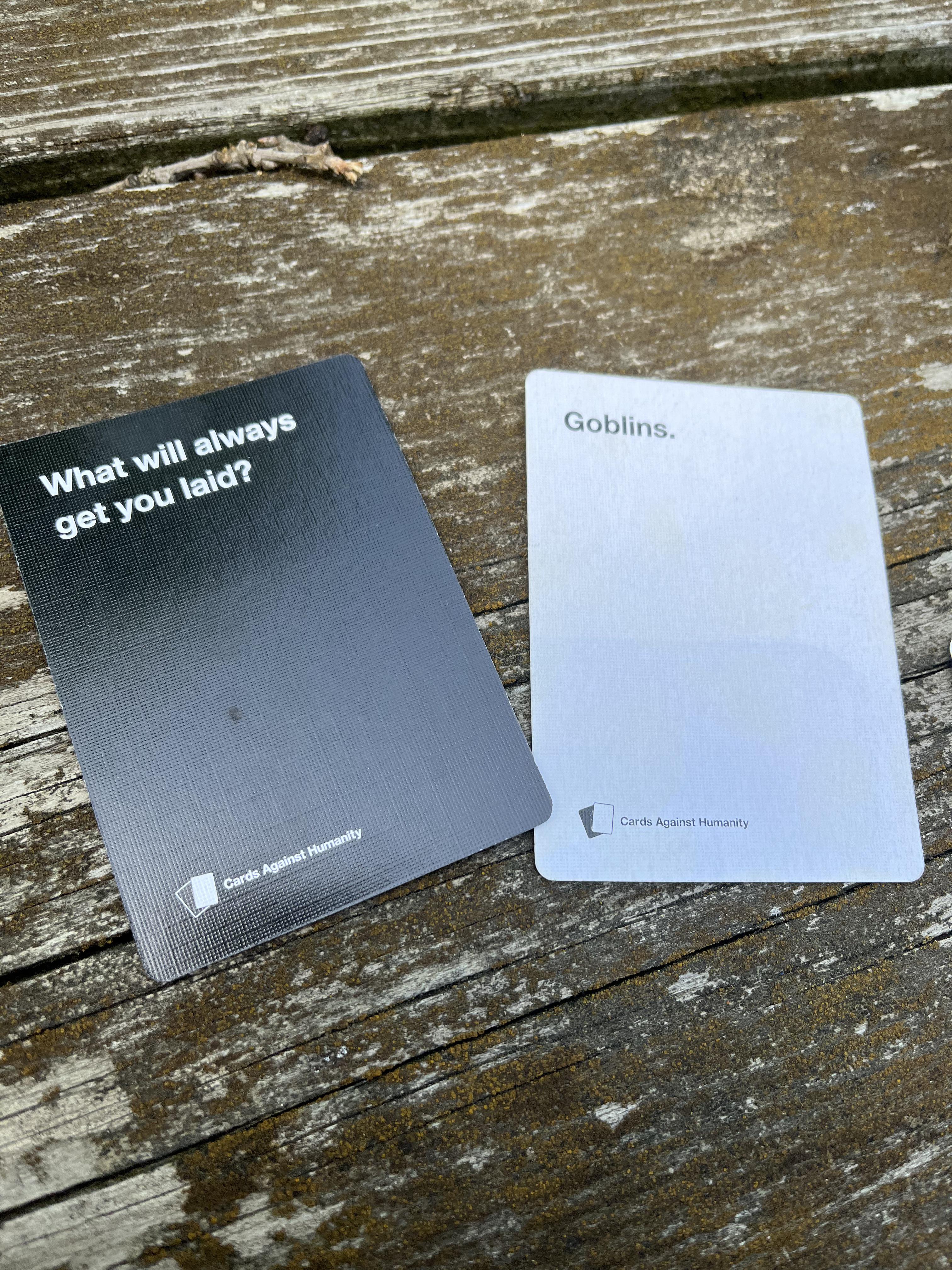
A few weeks ago, he discovered Cards Against Humanity and has been reading the cards out loud. If you don’t know about this game, the whole point of it is to be as offensive as possible by combining two different cards (I put an example as a picture). My family was a little conflicted as to whether or not they should stop him from reading the cards. Their first reaction was to stop him because what he was saying was inappropriate to them. But when they considered his age, they realized that it’s actually pretty normal for teens his age to like offensive humor. It was interesting to me that this was our first reaction, and I’m not sure if it’s infantilizing him or not. 

On one hand, we don’t want to treat him like he’s a kid. We shouldn’t completely shelter him from the world, he’s a teenager now. On the other hand, we don’t want to set a bad example or have him repeat the things on the cards in an inappropriate situation. In the end, we decided to let him keep reading the cards out loud, but to just let him know that they’re intentionally offensive and not the way people should talk to each other.  Overall I think we handled the situation well, however, I think that it shows that we have a bias towards seeing him as a kid that we have to think a lot about to correct. I think that this bias is definitely perpetuated by the media and autism charities that only depict autistic people as kids.

A picture of two Cards Against Humanity cards, one says “What will always get you laid?” The other says “Goblins”

$15 for an hour of sleep

As someone who’s studying psychology and has been interested in the psychology and physiology of sleep, I’m always thinking about how sleep affects the mind and body. This summer after reading up on sleep, I went out of my way to improve my sleep schedule as much as I could. I was consistently getting about 8 hours of sleep and waking up at a reasonable time. I was able to do this because I was living at home and I was totally on my own schedule. Going to sleep was something that I really looked forward to everyday. 

Moving back on campus, I found it really hard to sleep, simply due to the different environment. Something about the different beds and the blinds that don’t block the light keep me from getting good quality sleep. I also started a new job that required me to work at very late and early hours. These shifts would take time out of my schedule that I need for sleep, and when I did get to sleep it wasn’t the quality that I needed. Talking about the different ways that labor affects the body in class made me really consider if what I’m doing is worth it. 

On one hand, I really value my health and I usually try my best to make sure I’m doing healthy things. Losing sleep could lead to serious long and short term health issues. On the other hand, I also need money to do things that I enjoy and pay for things that I need. I want to be able to go out and eat with friends without cutting into my savings, but I also want to be awake and present while I’m doing it. 

Losing sleep from my job also might be affecting how well I’m able to learn in school. In all of my classes I often find myself fighting to stay awake. If I’m tired I don’t have as much capacity to pay attention, and if I’m not paying attention the memories from my classes won’t be as strong. Overall, it feels like a lose-lose situation.

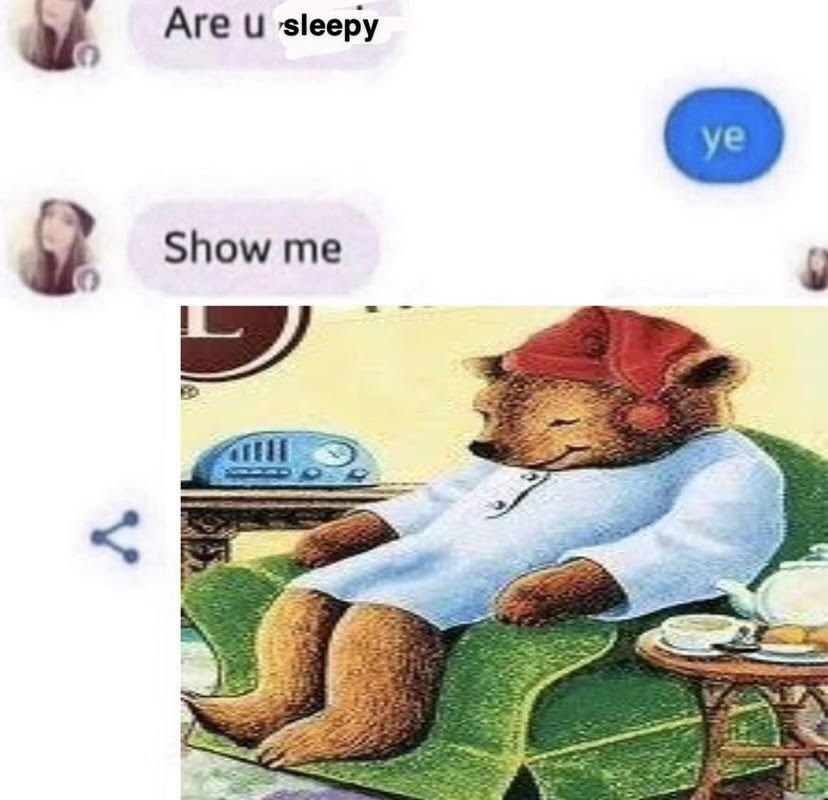
A picture of a text conversation where a girl asks “are you sleepy?” The person response yes and the girl asks “Show me” and the person responds with a picture of the Sleepytime tea bear.

Going to the doctor is scary

Ever since I discovered that I could download music on my phone and listen to it whenever I’d like, I’ve been a headphones addict. Throughout middle school, I constantly listened to my favorite artists, and looking back now I’d probably be embarrassed if anyone found out who I used to listen to. Going into high school I discovered music production, and it became my main hobby. Every day after school I would work on music in some way, still listening to my headphones the whole time. After a few months I even started to make some money off of it, which was really cool for a fourteen year old. I also loved going to concerts, and an upcoming concert was enough to keep me motivated to keep going until it came up. I say all of this to say that music was my main outlet throughout my teenage years. 

About two years ago, I noticed that something was different about my ears. They started to get fatigued really quickly and would cause me a lot of pain. I also started to hear a loud ringing noise whenever it was too quiet. These things really freaked me out and I sat with them for a while without telling anybody. The worst part of my experience with hearing problems weren’t the problems themselves, but the feeling of stress. I was stressed that I would lose my hearing, that I would never experience silence again, that I wouldn’t be able to listen to music the same way again, and that it was all my fault for wearing headphones too frequently.

Eventually, I built up the courage to go to the doctor’s office for my problems. I felt so nauseous going there that I almost fainted when he started to describe what could be wrong with me. It turns out that my hearing issues weren’t caused by my headphone use at all, and they were actually related to my orthodontic work. I also finally got names for what I had been experiencing; hyperacusis and tinnitus. What I noticed was that once I went to the doctor, the worst of it was over. Even though there isn’t really a treatment, just knowing what was wrong alleviated me of much of the stress. It was then that I realized that most of my problems were mental.

My experience showed me just how much the mind and the body are connected. It also made me wish that people talked more about the other aspects of having a physical problem. I’ve never really heard people talk about how mentally taxing it can be to have a health problem and not know what it is. One positive thing that I took away from my experience was listening to ambient music. Sometimes, listening to quiet music was all that my ears could handle. I also discovered the joy of ear plugs, and got some custom made to fit my ears that are super comfortable and great at concerts.

One of my favorite ambient albums that I discovered in my time of listening to quiet music. If you have the time, check it out and put it on in the background before you sleep or when you’re doing work.
Another ambient album that I recommend for anyone who’s interested. I really like this one for studying and it got me through finals week last year.