The origin of Belly Dancing

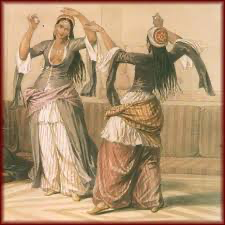
When people think of belly dancing, they often picture a woman in an ornate bra and low-waisted skirt, moving sensually in a way that seems designed to cater to the male gaze. But this image is a relatively modern phenomenon. Traditionally, belly dancing was about cultural celebration—a communal experience where people came together to mark joyous occasions, like weddings, or simply to enjoy the act of moving and connecting. It wasn’t about performing for an audience, let alone for men, but about expressing joy, vitality, and a deep connection to life through movement.

This view resonates with Kimerer LaMothe’s ideas in As the Earth Dances: A Philosophy of Bodily Becoming. LaMothe sees the body as an active, creative force that helps us connect with ourselves, with others, and with the rhythms of the world around us. In its original form, belly dancing captures this beautifully; it’s a form of movement that isn’t about external validation or objectification but about celebrating the body’s ability to tell stories, build community, and honor life’s cycles. Like the dances LaMothe describes, belly dancing is rooted in creativity, joy, and shared connection, reminding us that movement is as much about what we feel as it is about what others see.
“Othering”

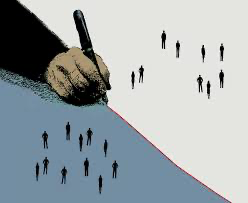
In one of my classes last semester, I learned about “othering” in the context of racism, and something that stood out to me was the detrimental effects it has, especially on individuals who are labeled as the “other.” By labeling someone as an “other,” it inherently assumes that there is a default or normative standard that these individuals fail to meet. This concept connects deeply to issues surrounding disability and body size, as society often marginalizes people with disabilities and diverse body types by positioning them as deviations from a perceived norm.  It creates a harmful narrative that devalues and dehumanizes individuals who do not fit within societal norms. This narrative reinforces the idea that there is a “right” or “ideal” way to exist, marginalizing those who differ and often placing blame on them for their perceived shortcomings. This harmful narrative of “othering” has profound real-world impacts that go far beyond social perception; it affects how people are treated in various aspects of daily life. For example, people with disabilities, like those with autism, are often treated as if they’re incapable or stuck at a child-like level, no matter how old they are or what their abilities are. This kind of infantilization can strip away their independence and agency, making it harder for them to have control over their own lives. It reinforces the idea that they aren’t fully capable adults.

The Medical Cost of being Black

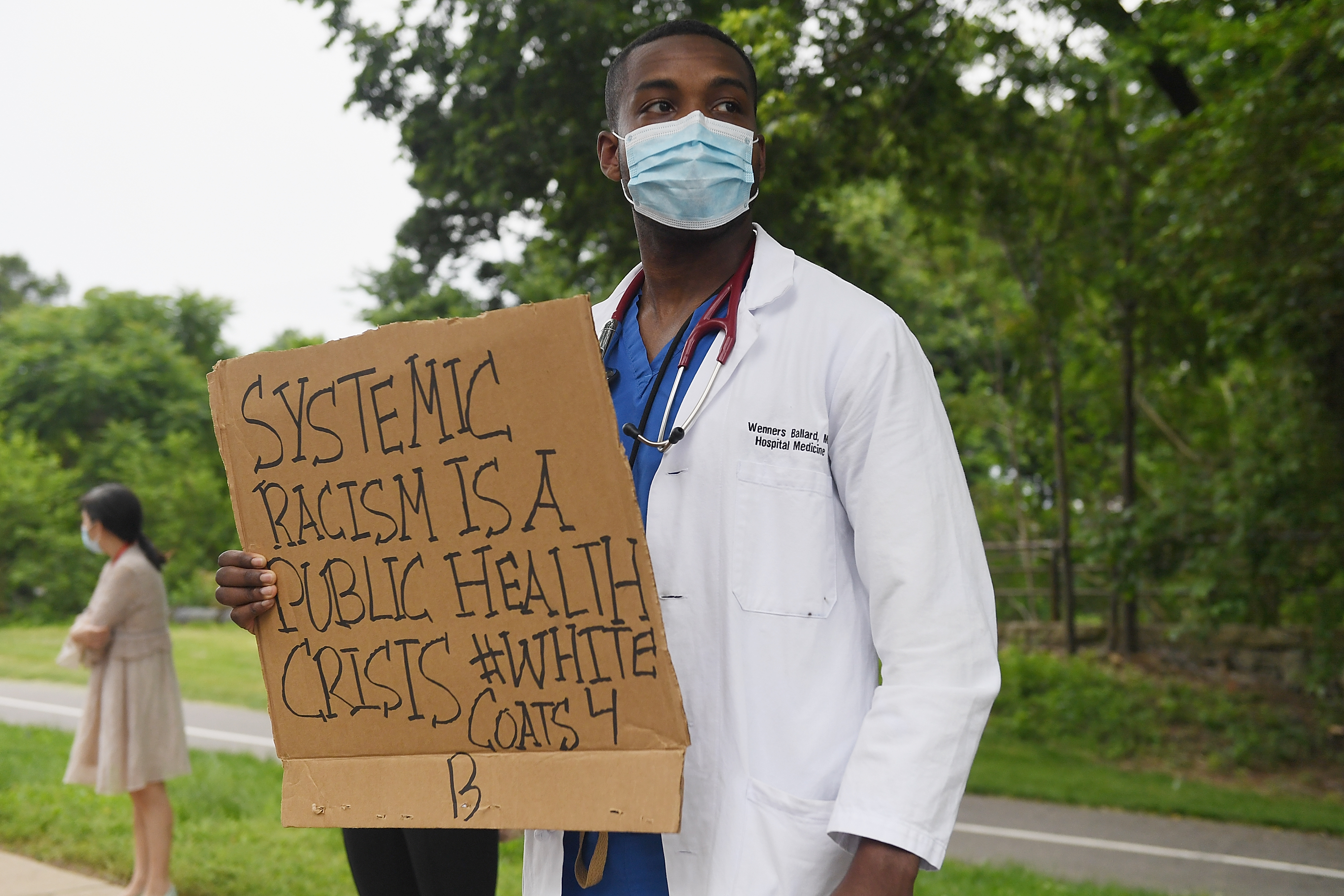
Racism in healthcare is not a new issue; it runs deep in this country. This problem is especially evident in women’s health, particularly in maternal care, which stems from a long history of exploitation and neglect. Goode and Rothman talk about how, during slavery, Black women’s bodies were often exploited for medical experiments without their consent. This history of racial inequality in healthcare hasn’t disappeared; it’s still seen today in the way women of color, especially Black women, are treated during pregnancy and childbirth. Studies show that women of color are statistically more likely to die during childbirth, a disparity better understood when we consider that medical providers are often more likely to perceive Black patients as more aggressive or negatively. From personal experience, as a woman of color, I’ve had many positive experiences in healthcare and received decent care. However, certain events have made me wonder if the color of my skin has impacted the treatment I received. As someone who has dealt with years of chronic pain, like many others, I’ve experienced frustrating doctor appointments where it felt like my concerns weren’t taken seriously. I have had doctors dismiss my concerns, often attributing my issues solely to anxiety and suggesting that what I was feeling was likely all in my head. This kind of dismissal, particularly for someone who has dealt with chronic pain, only adds to the frustration and makes me question whether my concerns would be taken more seriously if I didn’t have the skin color I do. 


Gender Bias In Healthcare

For years and years women have often faced systemic biases in healthcare, both as patients and as healthcare providers. Women, as patients, are often not taken seriously and their pain often goes ignored. Many women’s specific conditions, such as endometriosis, are so often underdiagnosed and untreated that some doctors fail to regard these conditions as deserving of serious attention or care. In gynecology, this dismissal of women’s pain is especially apparent in many routine procedures like IUD insertions, endometrial biopsies, or hysteroscopies which are often performed without anesthesia or adequate pain management, despite many women reporting significant pain. In contrast, studies show that men are often provided with more pain management for procedures that cause less or comparable amounts of pain and discomfort. Much of this stems from a historical belief that women should or are expected to bear the pain.

Additionally, these female-dominated fields are typically paid less, though some attribute this to coincidence rather than systemic bias which is arguable. And even when women pursue more so-called prestigious and demanding specialties like surgery they are frequently questioned about how they plan to balance having a family with their career even when they haven’t expressed a desire for one—questions rarely asked of their male counterparts.This reflects how, despite progress, women remain confined to societal expectations that assume caregiving is their primary role, regardless of their professional aspirations, confirming Simone de Beauvoir’s concept of immanence, where women are seen as existing solely within the limits of traditional roles.

Continue reading