Who am I trying to be?

I have always been a socially anxious, awkward, and emotional person. I was diagnosed with autism and at 16 and I’m 26 now. I’ve spent the last 10 years aggressively pushing myself out of my comfort zone in an attempt to escape my own innate social and emotional challenges. I’ve been sprinting as fast as I can away from the emotionally unregulated little girl I was towards what I envisioned as my “true self”. I’ve been convinced my whole life that my future idealized, neurotypical-acting self with no social deficits is my “true self” and that with enough self-discipline and practice I can become her. Identifying with the undiagnosed, untreated version of myself is scary, because it was alienating and painful to be that little girl. But autism doesn’t go away, even if you try really hard to forget you’re autistic.

In the book Brilliant Imperfection, Eli Clare critiques the notion that disability is something people can or must overcome through hard work in order to thrive, and explains that this belief is rooted in the ideology of cure, which doesn’t neatly apply to most disabled people since so many disabilities are congenital and uncurable.

But for some of us, even if we accept disability as damage to individual
body-minds, these tenets quickly become tangled, because an original
nondisabled state of being doesn’t exist. How would I, or the medical-
industrial complex, go about restoring my body-mind? The vision of me
without tremoring hands and slurred speech, with more balance and
coordination, doesn’t originate from my visceral history. Rather it arises
from an imagination of what I should be like, from some definition of
normal and natural.

The person I try every day to become never existed, does not exist now, and may never exist. That is a difficult thing to accept in a world where autistic people are punished for not conforming, for being “weird”, “immature”, “off-putting”, “cringe”, etc. I’ve never felt like I was trying to cure myself, but reading Brilliant Imperfection made me realize how deeply my own internalized ableism is rooted in the ideology of cure. This realization has not magically cured my internalized ableism, but it certainly held a mirror up and opened my mind to another line of thinking that I will continue to explore.
Lavender Menace

A Spectrum of Expression

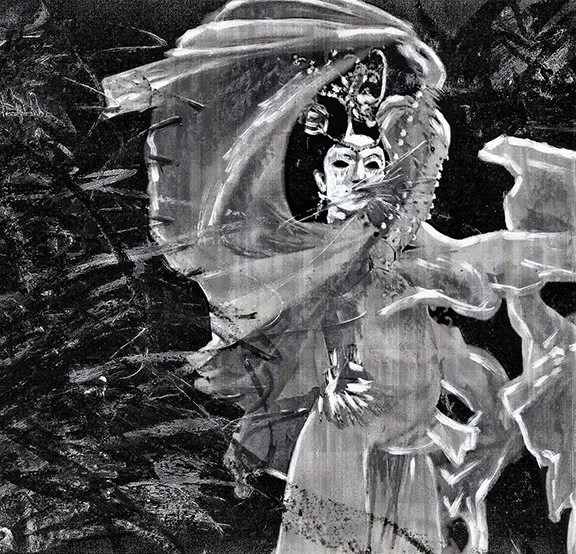
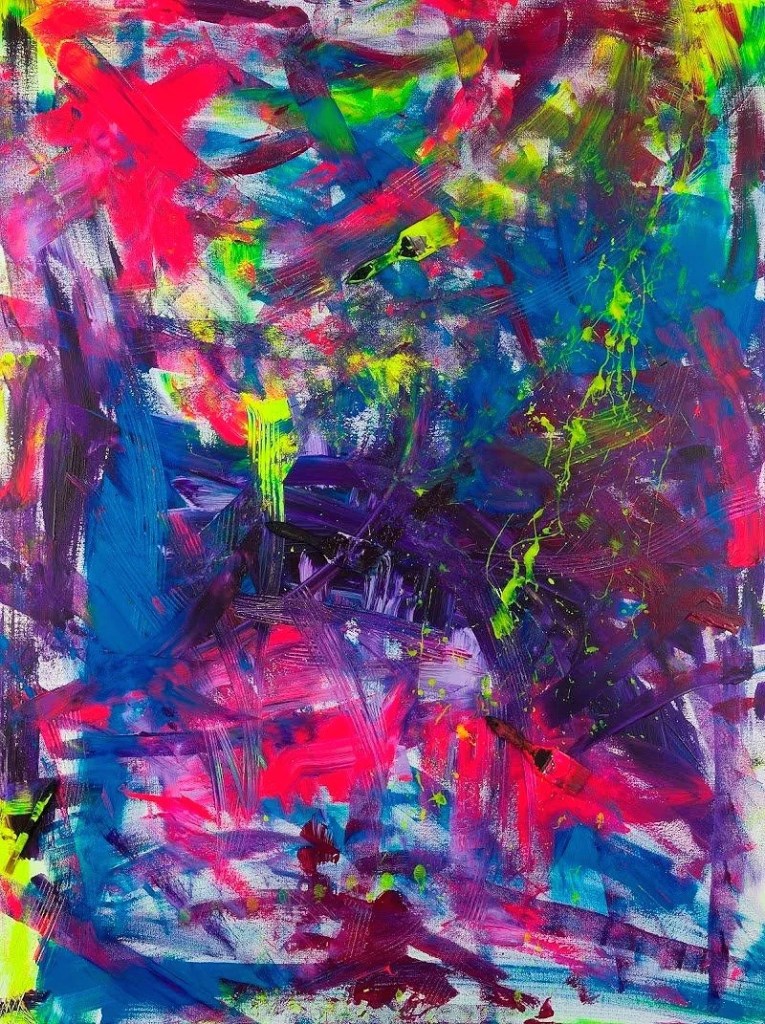
The image above is an untitled UV acrylic painting by Cecile Lobert, an autistic and non-verbal painter. Every autistic person deserves to have their story seen, not just those of us who communicate through traditional methods. Cecile may not use words, but she expresses herself vividly and gives us insight into her life that others cannot do for her. She uses textures, colors, and emotional depth that past and present messaging from neurotypical people leave out.

In 2009, a non-profit advocacy group called Autism Speaks released a nationwide PSA called ‘I Am Autism’, which featured a voiceover from the perspective of their personification of autism. Here are a few lines from the PSA:

“I work faster than pediatric aids, cancer, and diabetes combined
And if you’re happily married, I will make sure that your marriage fails.
Your money will fall into my hands, and I will bankrupt you for my own self-gain.
I don’t sleep, so I make sure you don’t either.
I will make it virtually impossible for your family to easily attend a temple, birthday party, or public park without a struggle, without embarrassment, without pain.
You have no cure for me.
Your scientists don’t have the resources, and I relish their desperation. Your neighbors are happier to pretend that I don’t exist”

Autism Speaks has since apologized for their PSA, but the damage has already been done.  Like Chimamanda Ngozi Adichie explains in “The Danger of a Single Story”, people form lifelong beliefs about others based on the first stories they hear about a demographic outside of their own, especially if they never hear from the demographic being discussed.

16 years after ‘I Am Autism’ aired, the Secretary of Health and Human Services said in a nationwide press conference that autistic people will never be able to pay taxes, hold a job, write a poem, go on a date, or use the bathroom unassisted. If you are autistic and or have been emersed in neurodivergent spaces, you know that depiction is not true and certainly not whole. Even autistic people who experience the struggles described above, they can and do have vibrant, meaningful, happy lives. The Autism Speaks PSA and the HHS secretary’s statements are both centered around arbitrary lists of things they think autistic people cannot do, framing it as if not being able to do those things makes autistic people’s lives miserable and empty. These narratives influence the greater population’s perception of disabled people, which then influences policies and practices that harm disabled people.

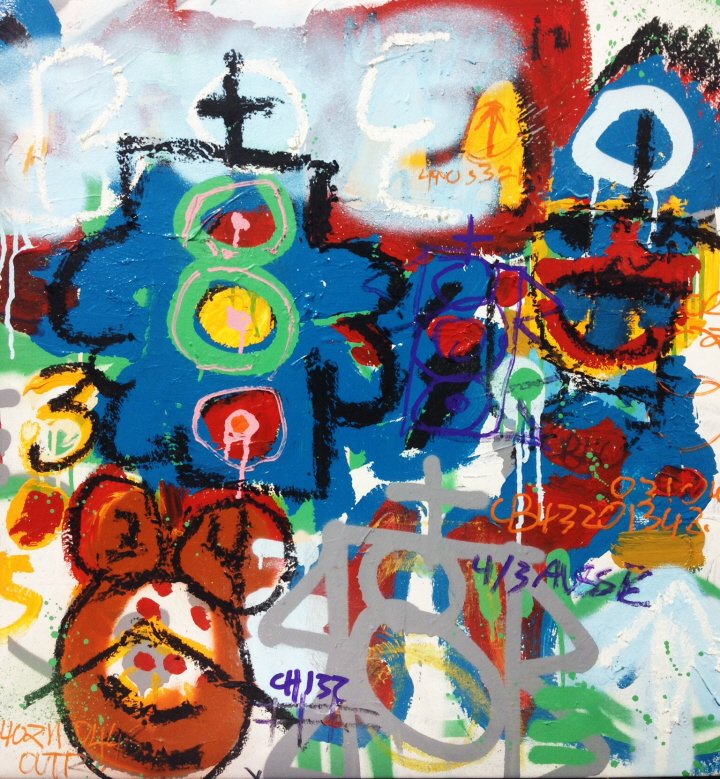
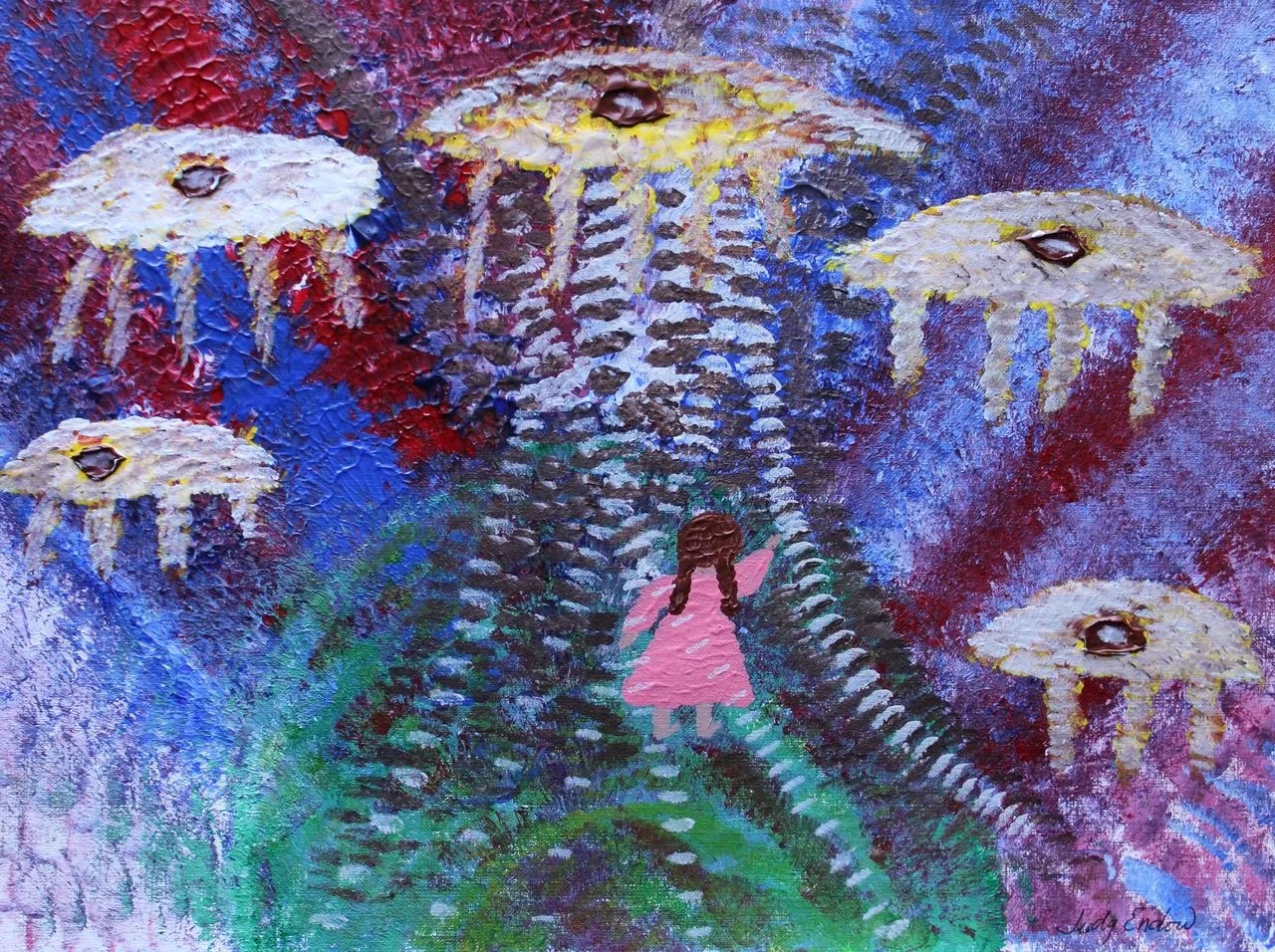
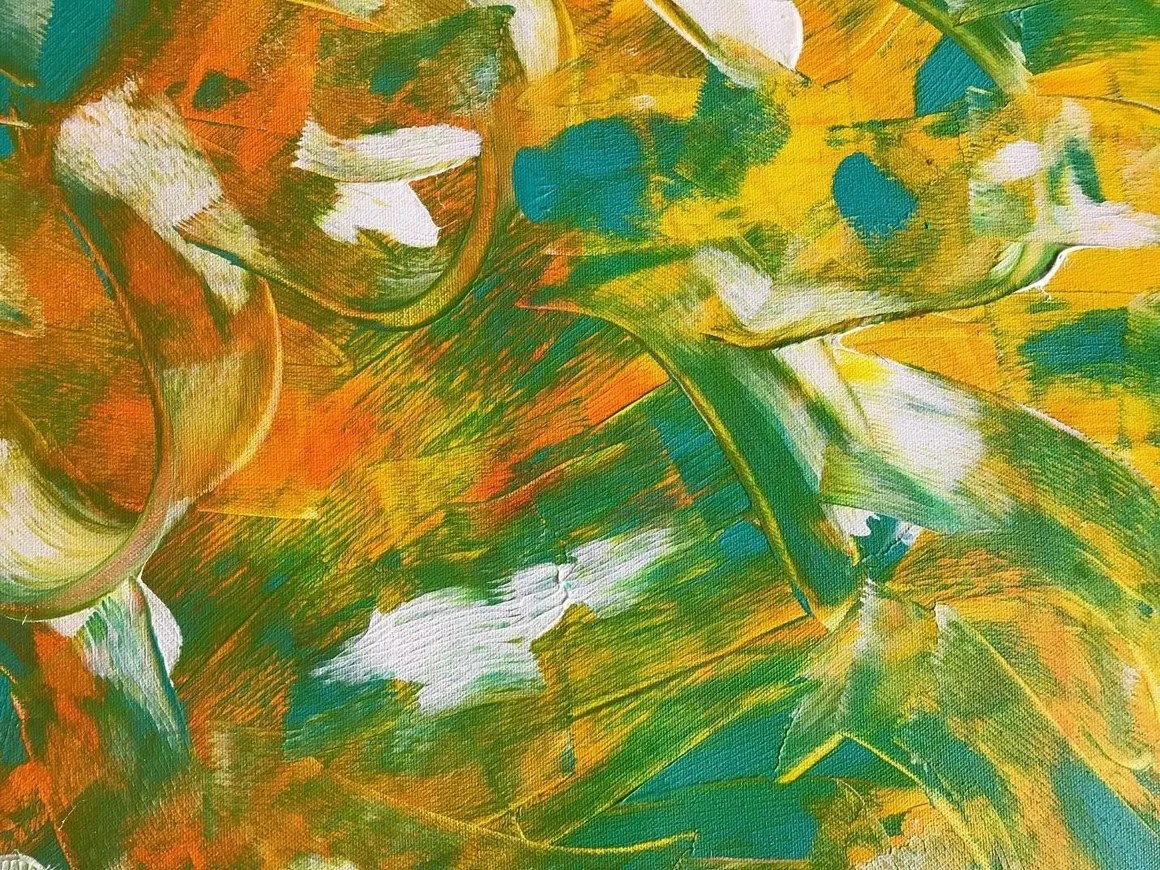
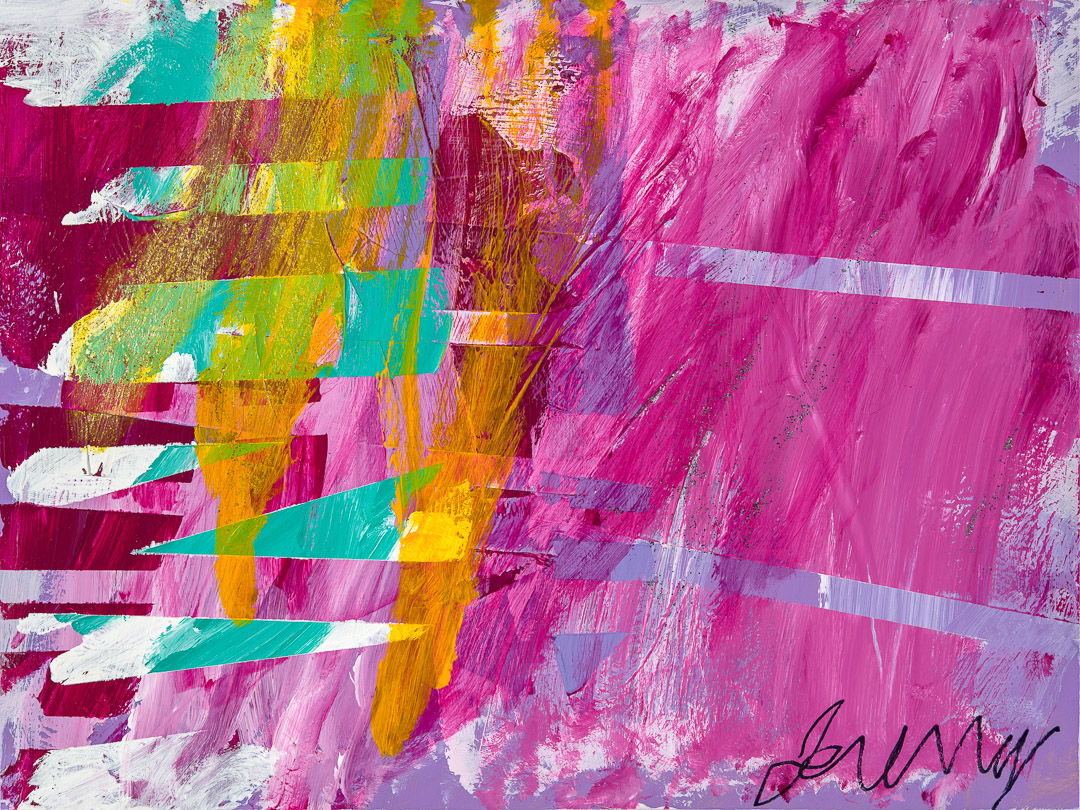
Below you can see more art from autistic artists. Seeing through their eyes rather than the scornful eyes of people who wish to eradicate autism gives them agency and a voice that is being stripped from them. I hope the depth, color, texture, and care put into these pieces allow you to see the depth and range of autistic people’s experiences and abilities which have been downplayed by people with a lot of influence and reach.

Softball Lesbians

I came out as a lesbian to my mother in 2015 when gay marriage was legalized and she was surprisingly unsurprised. Ever since then I’ve wondered why she wasn’t surprised, since I thought being femme meant no one could tell I’m gay. So, recently I asked her, ‘Were there any signs when I was a kid? Did you ever think I’d be a lesbian?” and she answered ‘yes’.

One example she gave that perplexed and amused me was, “You loved softball.”

The softball lesbian stereotype is not unique. There are also stereotypes about female hockey players, soccer players, etc. being lesbians. I don’t believe these stereotypes are totally unfounded, because when I watch the Olympics, I recognize my LGBT sisters on the teams and doing commentary. I see them on the basketball court, in the soccer field, flying across ice hockey rinks. This causes me to reflect on my own relationship with sports.

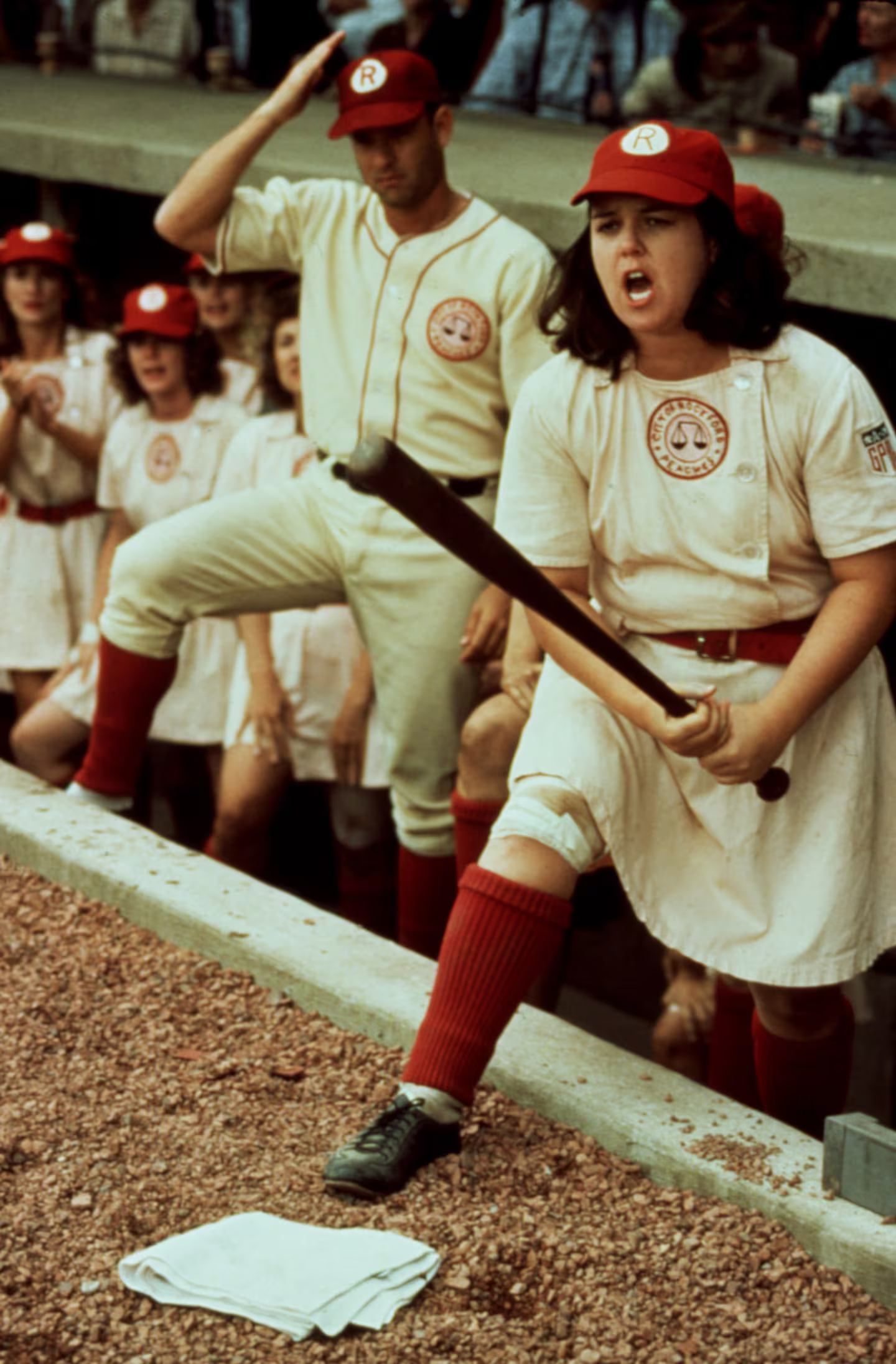
My theory as to why lesbians are drawn to sports like softball is because for a short period of time we are totally free from the male gaze. I left every game with dirt on my pants from sliding in the sand and my hair knotted and sweaty from being tied up and tucked in my cap or helmet. This was liberating as a catholic school student forced to wear kilts and ‘sit like a lady’ all day from elementary to middle school. We had to constantly perform traditional femininity to avoid being ostracized or ridiculed by classmates and other parishioners. Despite being a lesbian, I was socialized to appeal to the male gaze out of fear. Being around a lot of boys and men made me self-conscious and hyperaware of every movement I made because being too sloppy or aggressive got me nasty looks from male classmates and even adults. I carried this self-consciousness into gymnastics and cheerleading. Even though I am hyper-femme, I’ve never felt petite, demure, and graceful, like the expectation in patriarchal catholic parishes.

Before softball, I did gymnastics and then for about 3 weeks or so, cheerleading. I was terrible. I hated it and my teachers didn’t like me much either. I did not possess the same grace as the other girls in gymnastics and cheerleading did. I was an overweight, inflexible kid who noticed on day one that I looked nothing like the star students in those classes. But when I started playing softball, I embodied it fully. It felt so good to throw my whole body into a swing, feeling the crack of the bat slamming into a softball, and seeing the ball soar to the outfield. I was giddy the day we were taught how to slide to a base. The dirt on my softball pants felt like a trophy every time I slid.

I’m sure none of my experiences with sports and patriarchy are exclusive to lesbians. However, the brief reprieve where gendered movement and hyper fixation on being ‘pretty’ falls away can feel like home to queer women and I believe this is why so many of us love softball.