
I found “Throwing Like a Girl” by Iris Marion Young to be the reading I related to the most so far. Young talks about how society can shape the way we see what our bodies can do and how boys and girls can learn to use their bodies differently. One of her examples is throwing a ball. She explains that boys are usually encouraged to use their arms, legs, and the space around them, while girls might be more likely to hold back and not use their whole body. This made me think about how different my childhood was. My dad raised me doing what people would probably call “man things.” We went hunting and fishing, worked on cars, welded, and worked on farms together. He basically raised me like I was his prettiest son. Honestly, I was completely fine with it because I loved doing all those things. Even my brother wasn’t as interested in doing them as I was.
When I think about it now, my dad never really taught me that there were things I couldn’t do just because I was a girl. If something needed to be fixed, built, lifted, or figured out, I was usually right there wanting to help. He taught me to be comfortable using my body and not just assume something was “for boys.” That is one of the reasons Young’s example about throwing stood out to me. My experience was almost the opposite of what she describes. My dad taught me to throw with confidence and actually use my whole body. He even raised me to know how to throw every ball as well as, if not better than, a man. Looking back, I think that had a bigger impact on me than I realized when I was younger.
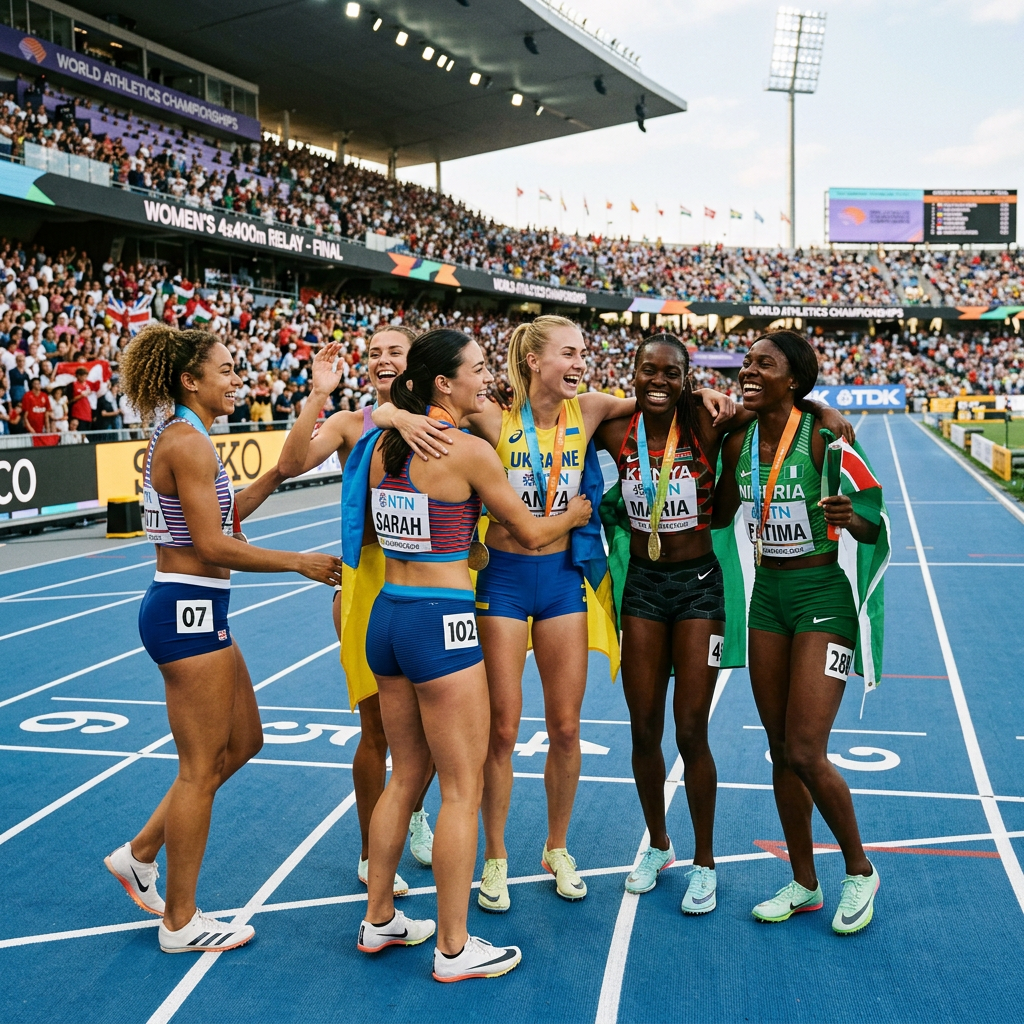
I also see this same idea with the phrase “running like a girl,” which I see all over TikTok. A lot of the videos and jokes around it make “running like a girl” seem like this very girly, unathletic, almost pretty-looking way of running. It is usually portrayed as someone not really using their whole body or looking very serious about being athletic. That reminds me a lot of Young’s point about throwing like a girl. In both examples, there is this idea that there is a certain way girls are expected to move. My experience was pretty different from that because I grew up playing sports and was used to keeping up with the men around me. I never really thought about changing the way I ran or threw because I was a girl. To me, I was just trying to play the sport and do what I needed to do. I think both throwing and running show how much using your body confidently can become something you learn from the people around you.
This connects to phenomenology because it is basically about people’s lived experiences and how we experience the world through our bodies. Growing up, my body wasn’t just something physical. It was something I used to do the things I enjoyed with my dad. I learned how to weld, work on cars, fish, hunt, and work on a farm, and all of those experiences became a part of who I was. Someone else could have grown up with completely different expectations about what they were supposed to do with their body. That’s what I find interesting about the idea of lived experience. We all have bodies, but we don’t all experience them in the same way.
I also started thinking about this idea differently after reading Linda Alcoff’s “Towards a Phenomenology of Racial Embodiment.” Alcoff talks about how race can affect the way someone experiences their body and how other people see them. Even though she is talking about race and Young is talking about gender, I noticed a similar idea in both readings. The way we are seen and treated by other people can affect our experiences. In my case, being a girl who was interested in activities that were usually seen as “men’s activities” affected how I interacted with people. When I was younger, though, I didn’t really think I was different. I was just doing things I liked doing.
Claudia Rankine’s Citizen also connects to this idea because she shows how everyday experiences can shape how someone sees themselves. Rankine focuses on experiences with race and how something that seems small to one person can mean a lot more to the person going through it. I saw a connection to Young because throwing a ball seems like such a small and normal thing too. There isn’t anything complicated about throwing a ball, but Young uses it to show how gender expectations can affect something as basic as the way someone moves. Both readings made me think about how everyday things can shape how we see ourselves without us even realizing it.
The readings from Tom Shakespeare and Mike Oliver about the social model of disability made me think about what our bodies are actually capable of compared to what society expects from us. They explain that disability isn’t only about a person’s impairment, but also about the barriers that society creates. I can connect this to Young because she also talks about how social expectations can affect what people feel comfortable doing with their bodies. In both situations, there can be a difference between what someone is actually capable of and the limitations that other people or society put on them. It made me think about how often we assume what someone can or can’t do based on their body.
My childhood also had an effect on how I connected with other people. Since I spent so much time doing things that were usually considered “man things,” I sometimes had a harder time connecting with other girls. I didn’t always have the same interests as them, and sometimes I felt like I had more in common with boys because of the things I liked doing. At the same time, the female friends I did make usually had a lot of the same interests as me. I think that actually made those friendships stronger because we already had things we genuinely liked doing together. Looking back, I think the things I grew up doing had a pretty big effect on the people I connected with.
Overall, these readings have made me think about the body in a completely different way. I used to mostly think of the body as just the physical part of a person, but now I see how our experiences, how people treat us, and how we are raised can all affect our relationship with our bodies. “Throwing Like a Girl” connected with me the most because I could actually compare Young’s ideas to my own childhood. My dad raised me differently than what Young describes for many girls, and honestly, I’m glad he did because I loved doing all of those things with him. Growing up that way taught me not to automatically put limits on myself just because I was a girl. At the same time, it showed me that the way we grow up can affect more than just what we do physically. It can affect our friendships, our confidence, and the way we see ourselves. I never really thought about my childhood this way before reading these articles, but now I look back on it a little differently.
 Unruly Bodies