
The Fabricated Standards of Authenticity

TW: Discussions of Transphobia

When people go for a walk outside, they admire the atmosphere, surroundings, and the weather. But eventually, during that walk, they start to think about whatever topics are on their mind that day. Like what’s for dinner, how long it’ll take to get home, what their friends are doing, their hobbies, their lives, etc. But when you’re trying to exist in a society that has done everything to reject or be repulsed by you, it’s hard not to internalize it and ponder it. You start to wonder if your clothes look okay, how your face looks, your hair, and eventually you start to question your entire appearance and take it apart piece by piece until there’s nothing left. All just to make sure that you fit within this version or idea of yourself- what you should be or what’s “authentic” to your personality and ideals- but what truly defines authenticity?

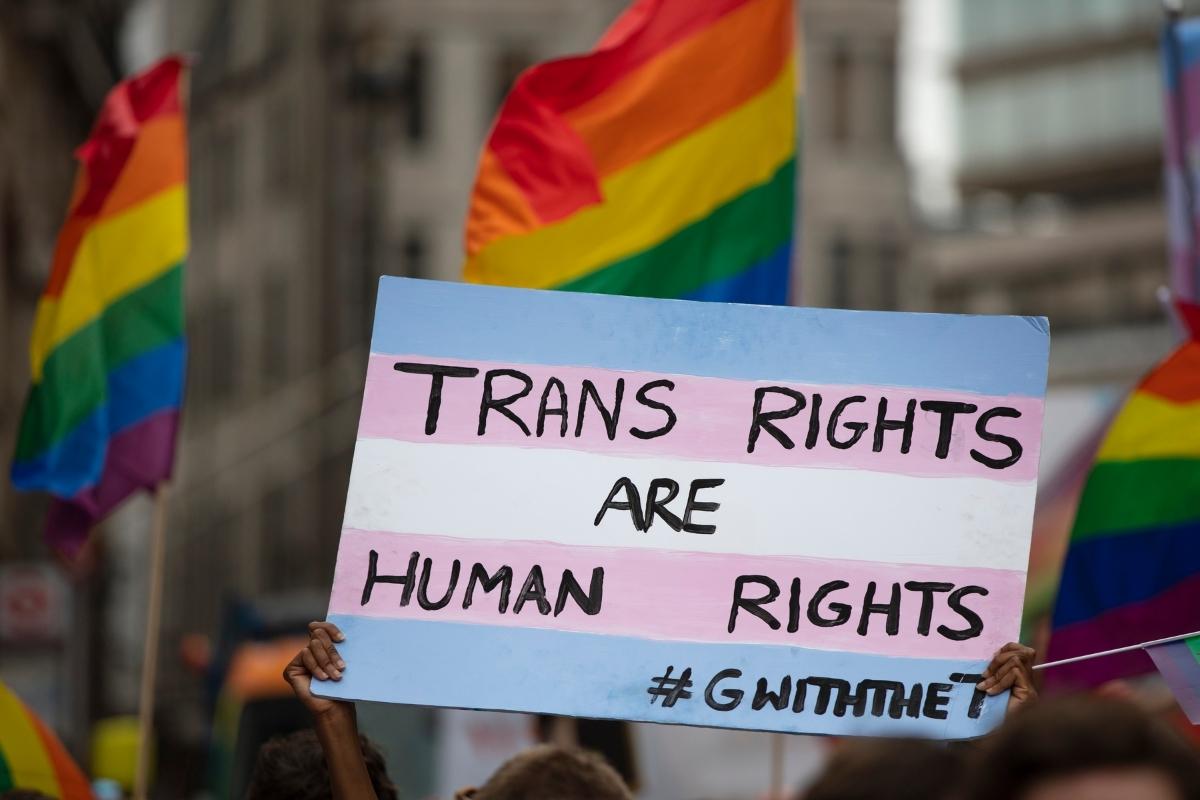
This is what I thought of while I walked home after reading ‘My Words to Victor Frankenstein’ by Susan Stryker. In the reading, the author discusses how society viewed people who were transgender as otherworldly and perverted, and found disgust in their existence. They made a connection to Frankenstein because society thought that they mutilated their bodies to fit in and would never be accepted. By society’s standards, they could “never truly be whoever they want to be”. But the author triumphantly combated those views and wanted society to recognize that just because people feel uncomfortable, unseen, and not right in the bodies they’re currently in, they’re still human nonetheless and not just some inhumane creation that society draws them out to be. They’re actual human beings just like everyone else, with families, friends, thoughts, passions, and emotions. Yet society’s bias towards what’s authentic enough is what prevents them from acting like decent human beings to others who may just be even a sliver bit different than what they can fathom.
The Constrictions of Femininity

Growing up as a girl has been one of the most interesting experiences of my life so far. I’ve had some beautiful moments of girlhood that I wouldn’t trade for the world, but some moments still give me the ick when I think about them. To start, whether it’s being catcalled while shopping, stared at, or being followed somewhere, there’s always at least one person giving an unsolicited judgment on your appearance, cadence, or simply your existence as a woman/girl, no matter where I went. A lot of those judgements were targeted directly at my femininity, questioning and shunning the way I walked, dressed, behaved, or talked in a way that wasn’t considered ‘ladylike’ or ‘womanly ‘. Because I didn’t conform to this traditional, rigid, and destructive gender expectation that stems from toxic femininity, I was judged or looked down upon amongst people who held the ideal that women always had to be soft, passive, and altruistic – the ideal woman.

It has been consistently proven that the bar for being the “ideal woman” moves farther and farther away until eventually you realize that the bar was never meant to be reached. What I mean when I mention ‘the bar’ is the representation of the so-called ‘perfect’ amount of femininity a woman should exhibit, or what others would determine “being enough of a woman” to be, that society has depicted in media and societal standards countless times. When reading “Throwing Like A Girl”, I expressed a strong sigh of relief when I saw Young’s perspective on femininity, as unfortunately even in today’s society, there is still an unrealistic standard for women to be “feminine enough” and reach that bar. They stated, “it is not necessary that any women be “feminine”—that is, it is not necessary that there be distinctive structures and behavior typical of the situation of women.” This mention of how no woman needs to be feminine made me feel seen and heard. As the structure of femininity is constructed upon expectations that are both arbitrary and ever-changing, I found comfort in Young’s assertion that femininity is not an essential quality for women. The pressure to fit into a specific mold, whether it’s about how we move, speak, or present ourselves, becomes exhausting and, frankly, impossible to satisfy. Young’s essay reminded me that we don’t have to accept these limitations or internalize the criticism that comes when we refuse to conform. We can aim to achieve our own personal, healthy standards that don’t exist at the cost of our authenticity and mental health.