
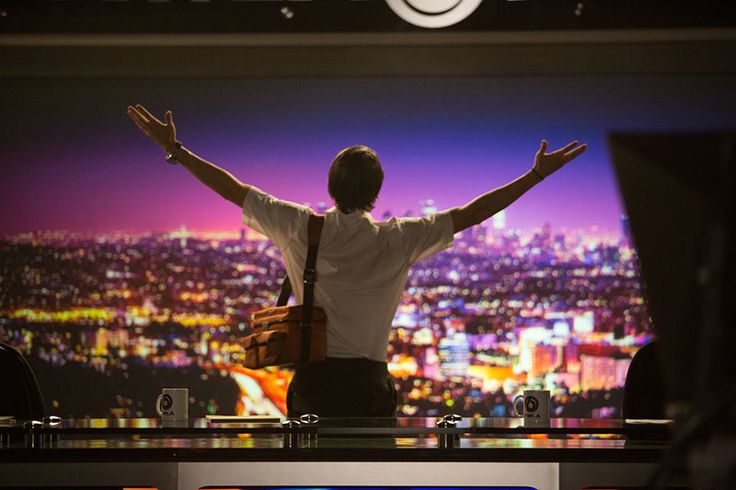
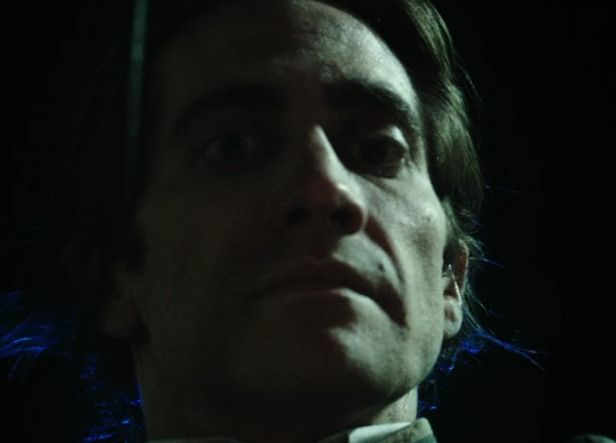
Last class, when we had been talking about the horrific forms of protest (such as self-immolation), we had touched on how we are being exposed to morbidity everyday whether by social media, or by such news being broadcasted nationally. Broadcasting graphic videos to homes across the country aren’t the only ways the news will show lack of regard for its viewers. The movie Nightcrawler is a good example (at least in my eyes) of the thought processes behind what is put on the screens of thousands of families. Louis Bloom (played excellently by Jake Gyllenhaal), is an aspiring videographer who is morally corrupt. He often acts within his own self-interest, disregarding the feelings and wellbeing of others. After gaining connections with a local Los Angeles news station by filming the gory aftermath of a carjacking, he begins trying to find more violent crimes in order to garner himself a reputation. Eventually, Bloom recruits a young man named Rick, to assist him. The movie does a good job in telling the dangerous impact journalism can have in fueling stereotypes as well as fearmongering. Nina is the news director for the station, and will encourage him to capture very graphic crime in places where poor areas cross over to wealthy areas. She represents selective and racist journalism, as she tries to make rich white people fear that their areas are being violated by inferior individuals for the sake of TV ratings. Listening to what was being said in class made me think of this movie and how it mirrors what news stations and other similar media are doing today. Now, especially in such a politically vulnerable time, the news twists a story to push a political agenda or to gain more ratings from a hyperbolic headline. Race is being used as a tool of separation in the already divided country. At the end of the movie, Louis ends up setting Rick up by causing him to be a fatality in a car chase. Bloom does this because Rick demands higher pay especially for the amount of dangerous work they’re doing. Despite being suspected many times by the police for manipulating crime scenes and causing the death of his employee, Louis gets let off the hook by the end of the movie. Both Louis and Nina have a happy ending and walk free from any repercussions. Though this ending was infuriating to me, I still really liked how realistic that outcome is. The news can manipulate the facts as much as they want and fuel whatever racist propaganda that they will, but at the end of the day, life goes on and we are left wondering what the real news/truth is. It also seems that the two simply walking away from their immorality should make viewers more conscious of the large and dangerous presence of fake media outlets.
 Unruly Bodies