
Growing up as an Indian girl, it is inevitable to hear comments regarding your skin color. I constantly heard comments like “Don’t go out in the sun; you will get darker” or “You were much lighter as a child”. These comments never really bothered me because I was content with myself. Most times, it felt like they wanted me to feel upset about being darker-skinned and see that as a minus.
I can’t blame them because these are values that are instilled in Indian society, and I’m positive the same people grew up hearing the same comments. Colorism is extremely complicated in Indian households because it often isn’t from malicious intent; they truly think they are trying to help with these comments, which makes the situation more heartbreaking. It’s very sad to see that they think these types of comments are supposed to help them. These harmful ideologies are so incredibly normalized.
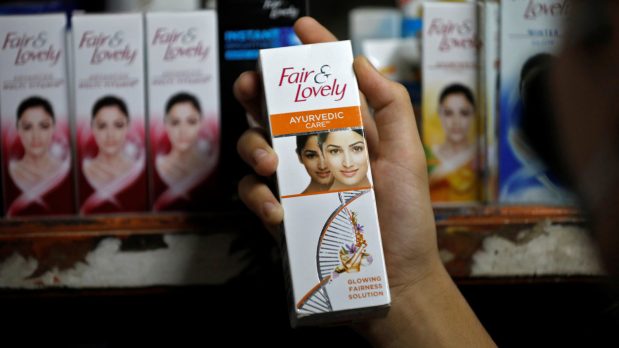
India has a huge colorism problem. One of India’s most popular moisturizers was called Fair and Lovely, and it was meant to make your skin lighter. Lighter skin is seen as more beautiful while darker skin is seen as ugly. This is due to darker skin being often associated with the lower class, caste, and poverty.
This ideology is not only prevalent in families and in business but also in the Indian movie industry. The majority of actresses in Indian movies are light-skinned and don’t reflect what the majority of Indian women look like. An example of this that is absolutely bizarre is when I learned about a British white actress who played many roles as an Indian woman. I was shocked when I first learned about that because it was insane that a white woman was cosplaying as an Indian woman. It was setting up standards for the audience that are unrealistic and overall disgusting.
History also plays a role in this harmful ideology. Colonialism had a huge impact because it reinforced racial hierarchy where whiteness is at the top and is seen as the standard. Whiteness is also associated with power and wealth.
This topic reminds me of when we listened to The Danger of a Single Story by Chimamanda Ngozi Adichie and when she talks about how a limited narrative shapes how we view and understand the world and people. This applies to viewpoints on colorism and how a single view impacts others and how we view ourselves.
The single story in this situation is that lighter skin is more beautiful than darker skin. This single story has been repeated and continued within families, media, and movies, and it has shaped a society that looks down on dark skin and caused dark skinned people to find fault in themselves
Colorism is an extremely complicated topic that not only exists within the South Asian community but also among other ethnic groups. I believe that addressing this harmful ideology is the beginning of making sure this single story is no longer spread.
Source for image : https://wamu.org/story/20/07/09/black-lives-matter-gets-indians-talking-about-skin-lightening-and-colorism/

