
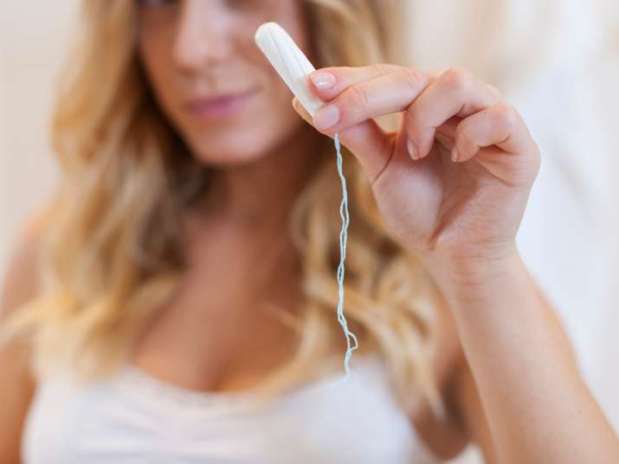
Ask any child between the ages of 10-13 about their experience in health class, and prepare yourself for a slew of interesting answers. You would likely hear about splitting the boys and girls into separate classrooms, being sent home with deodorant and pads, images of STIs, and of course, the infamous birthing video. I myself remember being shuffled into a room of fifth grade girls, only to learn that I would soon begin to bleed once a month, and it would be terrifying. We were shown a video of what happens anatomically during the menstrual cycle, taught a bunch of new words like “ovaries” and “fallopian tubes”, and were each given a box of sanitary products that we didn’t know how to use.
I think it is a mistake for boys and girls to be educated separately, because this adds to a sense of otherness and mystery about the other side, which can lead to rumors and misinformation; I distinctly remember being asked multiple times by boys “can’t you just hold it in?” (referring to menstrual fluid). There is also a sense of secrecy around periods, as shown by the way adolescent girls hide their sanitary products and give them to each other discreetly. A common “nightmare scenario” trope is an adolescent girl getting her first period in class, in which everyone sees and makes fun of her, of course making her incredibly embarrassed. Also, there will likely come a time in everyone’s life where they have a close relationship with someone who is biologically different from them, whether it be romantic or not. Having knowledge about what different bodies go through allows for greater understanding and empathy for others, which is a universally beneficial quality to have.
Treating menstruation as simply a girl’s/women’s issue that boys and men don’t need to know about also contributes to the sense of taboo and secrecy around periods. Many fully grown men get uncomfortable when the subject comes up, even if they have wives and daughters themselves. Knowing that many people feel this way is what keeps many girls, including my younger self, from openly talking about their periods except when with other girls. I believe this is why many young girls feel shame or embarrassment about their own menstruation, despite it being a natural process that is old as humanity itself. This is why that educating all people, not just those who will experience menstruation, about the changes bodies go through during puberty is crucial.
 Unruly Bodies