Medication Minefield

Medication Minefield

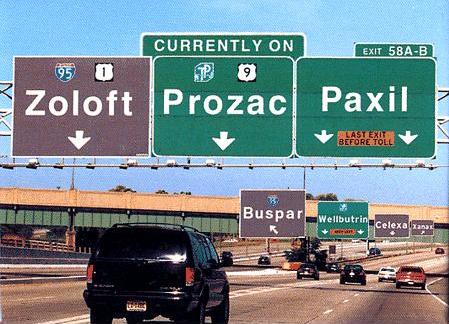
Like many people, I have encountered many mixed messages regarding medication for mental disorders. It seems like everyone has an opinion; some are adamantly pro-medication, others are more against it. I have anxiety, and the decision to go on medication for it was not a decision I made lightly. In January of 2020 I started taking Celexa, an SSRI. I was miserable; anxious all the time, my panic attacks were occurring more frequently, and my brain just would not turn off. I had insomnia and felt like I was losing my mind.

The first week of taking Celexa was pretty rough. I had a persistent headache and always felt dehydrated, no matter how much water I drank. As the weeks turned into months, the side effects went away, and I did start to feel better. The noise in my head was quieter, and I was better able to manage the physical symptoms of anxiety.

By October, I had started feeling worse. My panic attacks were coming back, so I felt like I needed to increase my dosage. Big mistake. That was a decision I made in the heat of the moment, while I was upset. I got another migraine, this one lasting for days. The dehydration got worse too, and that’s when I decided I didn’t want to do this anymore. Without telling my doctor (I do not condone this, but I can be impulsive sometimes) I started tapering myself off Celexa completely. I decided that the side effects were too much, and that I had learned enough coping mechanisms through psychotherapy that I felt I didn’t need medication anymore.

I did what I felt was right for my body, and I’m so glad I did. My gut was right in telling me that I didn’t need medication anymore. It was tough to deal with my “raw” anxiety, and I still struggle sometimes, but I had truly underestimated the skills I had developed over the past year to combat it. I am headache free, normally hydrated, and my sex drive is back (that was another unfortunate side effect).

I still think medication can be a wonderful thing, and I am an advocate for people doing what they feel is the best choice for them. Everyone is different, and it is important to be informed so you can make the right choice for you. You know yourself better than anyone, so trust your instincts!
Birth Control Sucks.

Birth Control Sucks.

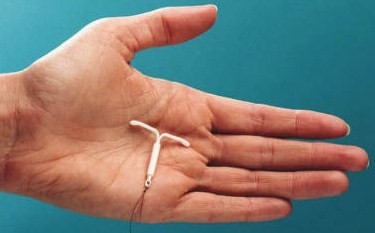
Recently I have been considering going off the pill for a variety of reasons. First, now that the Supreme Court has a conservative majority that may vote to repeal Roe v. Wade, the threat of pregnancy stresses me out even more. I’ve been researching the IUD because of its extremely high effectiveness rate, which is higher than any other form of birth control at 99% (aside from sterilization and abstinence). The effectiveness of the birth control pill varies based on how good the user it at taking it at the same time every day. I’m not very good at this. I tend to take the pill when I’m going to bed, which could be at 10pm or 2am, as opposed to a regimented daily time.

Second, I want to take a break from the hormones that I have been ingesting every day since I was 17. Being on the pill has provided me with some great benefits, including better skin and lighter periods. However, lately I’ve had this overwhelming urge to detox. I have friends who said their mood got remarkably better after they went off the pill, or that they felt more like their old selves. I just want to take a break to see how it makes me feel, because it’s been so long. My mother also recently told me a story of a friend of hers who had a stroke from the pill, and another friend who developed a blood clot. The potential risks never scared me before, but to hear my mother has not one but TWO friends who had serious complications has definitely made me re-evaluate things.

Third, remembering to take a pill every day is ANNOYING. I know this reason doesn’t seem like much compared to the others, but it’s how I feel. This is another reason as to why I’ve been considering the IUD, because once it’s in, you don’t think about it. At least, that’s what SHOULD happen. I’ve heard great things about the IUD from some, and horror stories from others. For example, one of my sisters has reported a great experience with her IUD; she barely thinks about it, has no side effects, and it works great. But my other sister had a terrible experience; hers fell out of place and put her in extreme pain, which forced her to have it removed only a few weeks after it was initially inserted.

My point is, every form of birth control has pros and cons, and it can be exhausting to find the right one. Right now I’m stuck between remaining on the pill and switching to the IUD. No other form of birth control appeals to me. My doctor advised against the shot (concerns about bone health), I tried the patch (ITCHY), the implant freaks me out because I’m squeamish (my roommate had one and she would move it around in her arm to try to gross me out), and everything else either requires too much effort/mechanics for my taste (inserting a ring each month? or a sponge every TIME?) or has a lower effectiveness rate (according to Planned Parenthood, every method aside from the ones I’ve already mentioned falls below a 90% effectiveness rate). My boyfriend has been very supportive, saying he wishes he could take on this burden instead of me, and has suggested returning to using condoms as a non-hormonal, side-effect free alternative. However, condoms are expensive (as opposed to the pill, which is free through my insurance), and not as enjoyable for either of us.

I’m still in a state of ambivalence, so if anyone has information or stories to share please comment! I’m trying to gather as many details and perspectives as possible so I can make a decision.

Intergenerational Body Shaming

(Trigger warning: disordered eating/weight)

One of the first instances I remember being concerned about my weight was sixth grade, after the dreaded FitnessGram assessment in gym class. The FitnessGram consists of a series of different physical tests, ranging from the PACER, push-ups, sit-ups, and measuring body mass index (BMI). This was the first time I became aware of the weights of other girls my age, and naturally my adolescent brain had to compare mine to theirs. When I got home from school, I distinctly remember Googling “is it ok for a 12 year old girl to weigh 112 pounds?”

My relationship with my weight only got worse with age. My family would sometimes make comments about it, which of course made me upset; I would cry to my friends about it and they would insist I had nothing to worry about, that I was pretty, that I wasn’t fat (as if you can’t be both-but that’s another conversation). I didn’t know who to believe. I felt especially ostracized because I come from an extremely health-conscious family- my dad is a physical education teacher, my mom is a nurse, and my sister is personal trainer. Being surrounded by such fit people all the time definitely made me feel worse, and they didn’t hide their feelings about my weight, eating habits, physical activity, etc. I wanted nothing more than to shed a few pounds and be as skinny as my friends. My weight fluctuated some over the years, as I was using the LoseIt and My Fitness Pal apps on and off while being trapped in the binge-restrict cycle.

Despite all of this, I have never been medically classified as overweight. My BMI has always been in the normal range. But I was convinced I needed to lose weight, because my friends were still skinnier than me, women on TV and social media looked better than me, and my family still made comments. This past year, I lost 25 pounds and finally reached my “goal weight”.  Honestly, my biggest motivation was to finally make my family shut up. Now, the comments have switched from “you look like you put on some weight” and “are you sure you should be eating that?” to “you’ve slimmed down” and “what are your weight-loss tips?” And yet, I still feel the same about my body. I still look in the mirror and see fat that needs to go.

My weight loss has made me realize that I may never be satisfied with how I look if I continue to view myself so negatively. I am slowly getting to a place of self-acceptance, and I am in a much better mental state than I have been in years. I have very supportive friends, a loving boyfriend, and a great therapist. I am actively trying to unlearn years of my family’s toxic dynamic with weight, but so much of it was directed towards me in my formative years that it has had a huge impact on my self-esteem and confidence. My grandmother has made similar comments to me that my mom has, so I can only assume that my mom was raised in a similar way, and that many of the things she had to say to me were just projections of how she felt about herself. In both my family and society, women are viewed more favorably the smaller they are. But this is a socially constructed, patriarchal standard of beauty that has taken up too much of my life. I know now that my weight has not, does not, and will never define me, no matter what anyone says. I know that I deserve to treat my body with kindness and love. I know that am more than my physical appearance. This intergenerational trend of body shaming ends with me.

Public school & periods

Public school & periods

Ask any child between the ages of 10-13 about their experience in health class, and prepare yourself for a slew of interesting answers. You would likely hear about splitting the boys and girls into separate classrooms, being sent home with deodorant and pads, images of STIs, and of course, the infamous birthing video. I myself remember being shuffled into a room of fifth grade girls, only to learn that I would soon begin to bleed once a month, and it would be terrifying. We were shown a video of what happens anatomically during the menstrual cycle, taught a bunch of new words like “ovaries” and “fallopian tubes”, and were each given a box of sanitary products that we didn’t know how to use.

I think it is a mistake for boys and girls to be educated separately, because this adds to a sense of otherness and mystery about the other side, which can lead to rumors and misinformation; I distinctly remember being asked multiple times by boys “can’t you just hold it in?” (referring to menstrual fluid). There is also a sense of secrecy around periods, as shown by the way adolescent girls hide their sanitary products and give them to each other discreetly. A common “nightmare scenario” trope is an adolescent girl getting her first period in class, in which everyone sees and makes fun of her, of course making her incredibly embarrassed. Also, there will likely come a time in everyone’s life where they have a close relationship with someone who is biologically different from them, whether it be romantic or not. Having knowledge about what different bodies go through allows for greater understanding and empathy for others, which is a universally beneficial quality to have.

Treating menstruation as simply a girl’s/women’s issue that boys and men don’t need to know about also contributes to the sense of taboo and secrecy around periods. Many fully grown men get uncomfortable when the subject comes up, even if they have wives and daughters themselves. Knowing that many people feel this way is what keeps many girls, including my younger self, from openly talking about their periods except when with other girls. I believe this is why many young girls feel shame or embarrassment about their own menstruation, despite it being a natural process that is old as humanity itself. This is why that educating all people, not just those who will experience menstruation, about the changes bodies go through during puberty is crucial.