
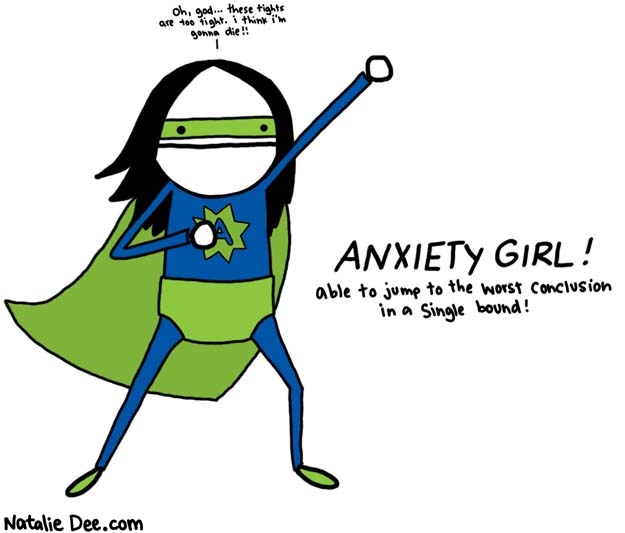
 In my notes from one of the first days of class, I have written, “embodiment -> we know because of our body; ways of knowing that exceed rationality.” This simple concept – that our bodies are sources of knowledge – is something I’d never consciously thought about, but as this idea about embodied knowledge started to sink in, I realized that my head has been learning a lot from my body recently.
—–
I started the week with particularly active butterflies in my stomach, for no particular reason. I assumed that they would ebb and flow as usual. But they didn’t; they stayed.
The next couple of days, my body started experiencing anxiety in different ways. My heart would race. I wasn’t digesting my food. I would shake a bit. I cried more than usual. I always felt on edge, like I was just about to have a panic attack but without the relief that can come after one.
At the end of the week, I went home, desperately hoping that escaping school would provide relief. It didn’t. I woke up Saturday morning, inconsolable, unable to stop crying or shaking, barely wanting to move.
I went to the doctor that morning, and over the next month, I started to come to terms with my anxiety. To me, this meant taking some herbal supplements, a very stressful attempt at yoga, talking to some fellow anxious family members, abstaining from caffeine, exercising a bit more, letting go of some commitments, and eventually starting a prescription that helped me finally start to feel like myself again.
For awhile, I’d assumed that my anxiety started in college. But now I think that I’ve always had anxiety without having a name for it. I have vivid memories of being in elementary school and incessantly worrying about things that I knew my parents would take care of – picking me up from school, making sure we caught the right train, remembering to lock the door. Reflecting back on my shyness, I now recognize elements of social anxiety. But until college, this anxiety stayed in my head. My mind buzzed with worries, while my body lived separately (in typical Cartesian fashion).
That fall, my body finally figured out what my mind hadn’t for all those many years– that I wasn’t okay. That all of these worries weren’t necessary or healthy. That I needed help. (Thanks, body – I’m glad you helped me figure this out; I don’t tell you that enough.)
My body is still my main source of knowledge about my anxiety. My mind can’t tell me when my worries are crossing from the everyday to the extreme, but the feelings in my stomach and chest can. In the midst of an anxiety attack, I can’t tell you what I’m worried about – I can only tell you what I’m physically feeling. To me, this is embodied knowledge.
This realization about my own embodied knowledge has changed how I think about my health – I can’t think about caring for my body and my mind separately because I don’t think any more that they are separate. But since I’ve come to this understanding, I find myself wondering – why did I take my physical health more seriously than my mental? Why did it take such a dramatic physical reaction to anxiety to force me to get help? I’m not alone in this. Mental health is seen as an additional thing to worry about, once our basic, corporeal needs are met. But the more I think about embodiment, the more I realize that there isn’t such a clear brightline between our body and mind, between our physical health and mental health. Taking care of one necessitates taking care of the other.


The way you lined up your personal experience with the the Cartesian dualism is totally awesome. I definitely have had similar experiences with my anxiety. I never actually thought of it as a real problem until I would stop eating, shake all the time, not sleep, etc. You know the drill, I’m sure. It’s amazing to what extremes anxiety has to manifest in order for people to see it as something that can and should be fixed. And not through pills or anything, but through a change in pace, breathing exercises, writing, etc. I’ve found that simply understanding my anxiety, what triggers it, and testing out different strategies is easiest for me to deal.
The tumultuous mental/physical relationship that anxiety seems to provoke is always my warning sign that I have a serious issue, and as it ebbs (as it always does), I feel like I don’t need to see a doctor or delve deeper. I agree that the embodied signals (the fluttering stomach, the racing heart) are our way of knowing there’s a problem, but it’s also amazing how we have to be physically ill from a mental issue before we can take care of anything. You’re totally right in that, “taking care of one necessitates taking care of the other.”