

Have you ever waked through a mall and felt either insanely targeted or extremely ignored by retailers? Does it ever feel like the 21st century is a mess of physical & “psychological warfare in the form of advertising” (Esmail, 14)?
If so, that’s usually a valid reality that is not only encouraged by managers within stores, but also executives and shareholders at the top of many film studio corporations and companies. One of my first (& worst) jobs during my early college years was a film marketing gig that involved finding movie-goers that could give their various opinions on unreleased trailers for hollywood films. Seems like a great occupation, right?
A normal day at this job included a selection of unreleased and unedited trailers that our group was meant to test upon different races and age groups in the D.C. metropolitan area. At first glance, this job seems like a piece of cake that involves a friendly interaction with people from various backgrounds. On the other hand, the methodology and discriminatory selections of people turned the job into a highly uncomfortable place to work.
A film as simple as ‘Twilight:Breaking Dawn’ required us to find the opinions of Nielsen’s most important demographic, the caucasian male, throughout the day. While other demographics and ethnicities were allowed to be surveyed, there was a tight limit towards how many people of color could give their opinion about Twilight: Breaking Dawn.
Nearly everyday of this job included an employee approaching and searching for an individual that fits a vague racial mold system of Caucasian, African-American, or Hispanic origins. Excerpts from The Body Reader, by Mary Kosut and Lisa Jean Moore, discuss many attributes of new racism that describe the process of political/verbal coding through representational practices. Our manager insisted that we use walkie-talkies when we found someone that fit our quota during the job. It’s hard to imagine 10 hours of verbals descriptions such as “18-year old, Female, C,” as if a teenager couldn’t understand what the letter C stood for within their description. This method of selecting individuals based on surface-level perceptions of an individual was a deeply uncomfortable form of social control that I worked to do. I even noticed how certain co-workers would start to disregard other races of people less, even if a person of color wanted to do a survey themselves. This trick-down effect of quota methodology creates a psychological investment in a community that only appeals to certain individuals.
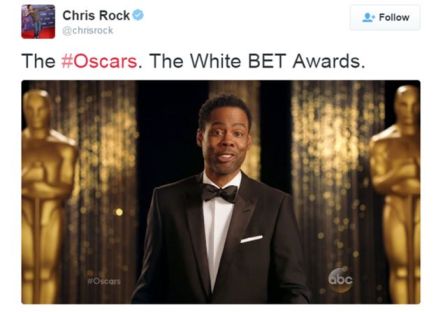
This type of quota management shapes the way American culture is created and perceived. In the eyes of Nielsen, the only opinions that truly matter are those of caucasian descent. The only reason to interview a person of color would be for the few films that a studio will choose to throw to the minority communities. After about two years of racial marketing practices, I started to notice the different ways that film trailers were released to the public. In other words, Nielsen Inc asserted that the opinions of African-Americans, ‘Latinxs,’ and people of color were not valid amongst the national landscape of American culture.
This engineered product of cultural exportation affects the perceptions of different American communities on a domestic and even global level! There’s a slow shift in this type of culture as TV and companies such as Netflix start to understand the customer’s demands in a 21st century model of customer feedback. Instead of adhering to one demographic, this company is at least attempting to produce films that touch hundreds of facets of human identity and experience. I hope to see the film industry star towards this form of media production sooner or later. I’m just glad I don’t work there anymore.
– Dev Moore
References:
Esmail, S. (n.d.). Quotes. Retrieved September 30, 2016, from http://www.imdb.com/title/tt4652854/quotes


Hello Dev,
I really enjoyed this blog post because I was just reading an article about Tim Burton’s “Home of Peculiar Children” lack of people of color in his cast. I learned a lot from this post. I was completely unaware that this form of racial marketing practices had existed. I always believed that when movies are made they are made to appeal to a certain demographics. However, I always believed that demographics that the movies were made to appeal to was based more off of the labels people fit into rather than their race but now I will be looking out for certain propaganda. So your blog post definitely widened my view on movies and their agendas.
Thank You