
My mind was wandering the other day, as it usually does, about what the difference is between why a hero is accepted for their differences and why a freak/monster/alien/other is not. It came from reading a research article by Susan Stryker titled “My Words to Victor Frankenstein Above The Village of Chamounix.” Stryker raises points about the negative social implications expressed toward people who have a different gender identity that is not their assigned-at-birth identity. Stryker likens society’s feelings about it to how the Frankenstein “monster” was treated.
What Stryker does is start many larger conversations for the reader. She writes, “Unlike the monster, we often successfully cite the culture’s visual norms of gendered embodiment. This citation becomes a subversive resistance when, through a provisional use of language, we verbally declare the unnaturalness of our claim to the subject positions we nevertheless occupy.” To me, this is saying people use the words given to them by society in order to try and reclaim their identity and defend themselves, but in doing this they also further push themselves into the pitfall of being seen negatively because of the connotations of the given words. My question is: these same words (monster, freak, creature, alien, etc.) are also used in a fair amount of hero stories. As an example, Clark Kent initially conceals the fact that he is Superman because he does not want people to know of his powers. If people found out, he would have been viewed as different, an outcast, a subject of study, a freak, etc.
Superman eventually grows up and gets past this negative identity thanks to his power. It is because he serves people selflessly that he is revered as a hero and he is no longer seen as a monster by the majority. He is an acceptable monster. When put into a real life situation, you have things like people with genders that weren’t assigned at birth not being able to be in the military. People who have also served this country selflessly are still viewed as outcasts. They are stripped of whatever power and respect they may have garnered, and reduced to a confused “freak.” The Frankenstein monster has been in all forms of media for hundreds of years now, sometimes described as someone like you and I, but also horrifyingly different. I am not positing that we view everyone as hero, but what I want to say, and what I think is in line with the message that Susan Stryker is trying to deliver is that we need to bring reform to our school of thought on the terms we use for those whose identities vary from our own. This could help us avoid negative feelings about ourselves as well, and perhaps bring forth a positive body image for us.
I am not sure why a “hero” gets to surpass the maltreatment. It could be argued that it is because they often have superpowers or because they save people, but I think we should consider bringing the “monsters” of the real world to the same screening process, because I think we would find that what we believe is unnatural, is only because we selfishly and ignorantly don’t want to believe it is natural.
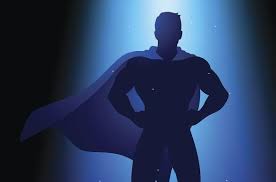
- The standard image of a superhero . Credit:https://www.newsshopper.co.uk/news/16394645.bexleyheaths-vigilante-guardian-superhero-saves-man-from-attack/
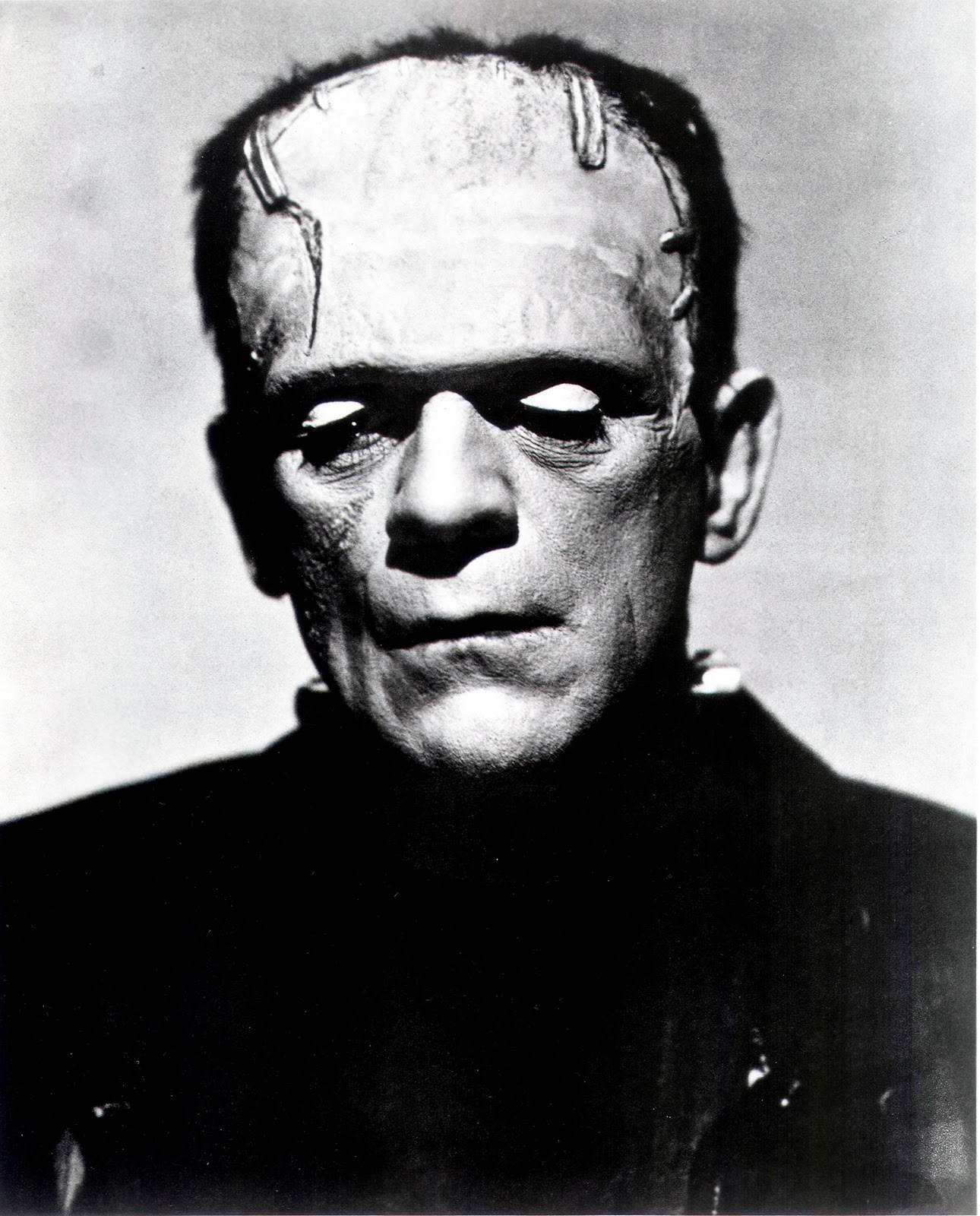
The Frankenstein monster Credit:http://tommcnulty.blogspot.com/2011/10/frankensteins-monster.html
Works Cited
Susan Stryker; My Words to Victor Frankenstein Above the Village of Chamounix: Performing Transgender Rage. GLQ 1 June 1994; 1 (3): 237–254. doi: https://doi.org/10.1215/10642684-1-3-237


I feel that it’s kind of about how “passing” you are to normalacy. The monster is classified as a monster because the contrast to normalacy is seen immediately on the surface. While at the same time, superheroes have superpowers that are definitely not normal. But because they are not on the surface they are less judged because they can conceal them. Like the superheroes and monsters, I believe we all want to “pass”, whatever passing may be.
I love your phrase “an acceptable monster”–perhaps that’s a good definition for what all of us ultimately become when we agree to live within the confines of a culture?
The other thing I wondered was whether we have much of a ranking system for monsters (even which is the worst monster) or not–we definitely would put a superhero into a hierarchy. Because that’s your big question, right–how much good does a monster have to do to become an acceptable monster, and is some monstrosity so extreme that no good deed can ever overcome it?