
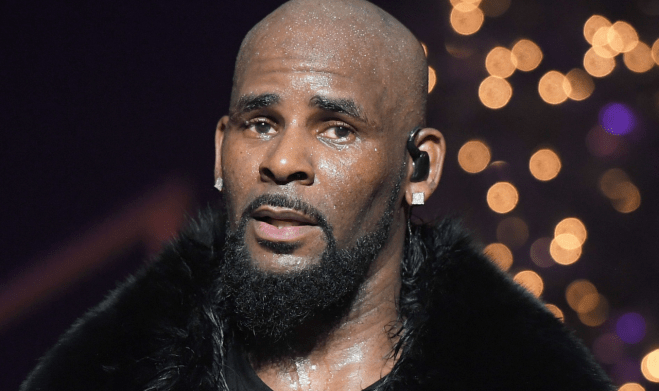
 Understanding the complexity of African American politics in today’s conversation of sexual violence is vital as the politics of this community shapes how the group responds to African American public figures (mostly males) committing these acts of violence. Recently the docuseries on the singer/songwriter Robert Kelly known as R.Kelly has revealed information about his past and present that shows he has sexually abused past partners and acted violently towards multiple women. This information is not necessarily new as articles from the 1990’s to the early 2000’s noted that R.Kelly had been depicted Kelly as a sexual predator. In 2008 he had a criminal trial has he was being charged for child pornography but once again slipped through the public’s dismay and remained a loved public figure. This acceptance of people such as Kelly leaves me with deep worry as the women who he assaulted still live in fear and live without justice. Acts of sexual violence such as rape are looked over when the victims are African American women, we see this as the most high profile cases of rape have involved White women though “…approximately 60% of Black girls experience sexual abuse by age 18. According to a 2014 study, about 22% of Black women reported being raped and 41% experienced other forms of sexual violence.” ( EndRapeOnCampus.org). The feminist scholar Patricia Hill Collins noted “Rape is part of a system of male dominance. Recall that hegemonic masculinity is predicated upon a pecking order among men that is dependent, in part, on the sexual and physical domination of women.” With rape being embedded within institutions it’s difficult for Black women to fight effectively against the corrosive behavior. Black women are forced to keep quiet about that such as sexual violence because of the Black gender ideology and how both black men and women are suppose to uplift each other. This type of thinking is toxic as in a sense it forces the silence of women for the social mobility growth of Black men as we see in the reaction from the Anita Hill and Justice Clarence Thomas case. I truly believe we are not deaf to the screams of Black women whose screams echo through the halls of the most decorated buildings. We have to not only hear their screams but see the predators as they are and not as we want them to be.


I think society is making progress in holding men accountable for their actions; however there still is a long way to go. The Kavanaugh decision was disappointing for many women. Another issue for many Black men and women is that Black men are more often convicted of sex crimes than white men.