
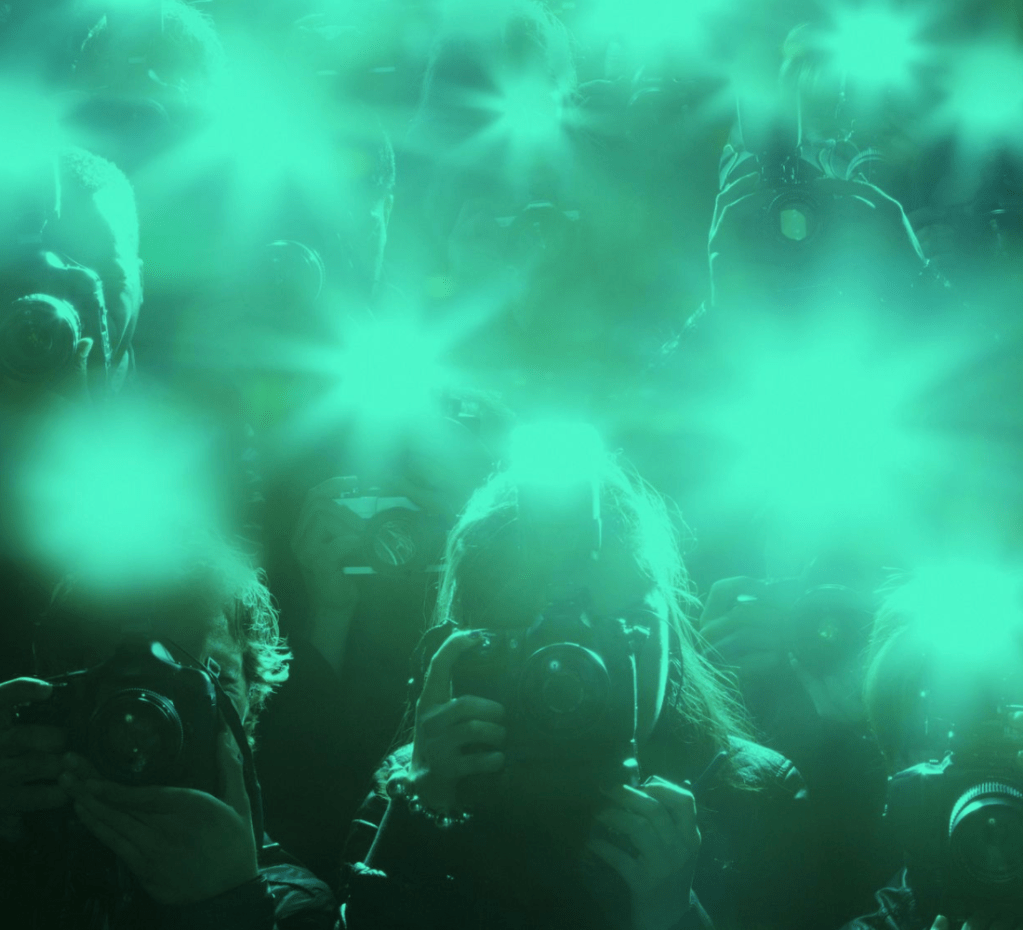
Just two days ago Emily Ratajkowski, a well known model, released an article about the complicated struggle of owning her own image. Simply put she brought to light the downsides of bodily capital, specifically as a current day model, and the complicated nature of seeing photographers and alike use her image for their own gain and without her knowledge.
Here’s the link if you’d like to check it out.
Bodily capital, a term coined by French sociologist Pierre Bourdieu, explains it as being the value attached to a person’s appearance, attractiveness, or physical capabilities which can be exchanged for different forms such as economic, social, and cultural capital. So in the case of Ratajkowski, her appearance and the maintenance of it allowed her to gain social capital as she got recognized, signed as a model, and through that also secured networks with important people in the field such as photographers and brands. That then sets her up to receive even more social capital (exposure) and further opportunities to get economic capital (money, assets that can be converted into money, etc.). That alone sounds like a great deal, but she brings up a vital point─ Yes it’s her body, but when she’s used for photographs, paintings, and videos, how does the ownership change? Does she still own it all or does she get partial ownership? Does she lose it all? Or can the ownership even be properly enforced? Especially with the prevalence of the internet and how easy it is to save and distribute images on a mass scale, how would she protect herself from exploitation?

This point Ratajkowski brings up can apply to everyday people as well. She speaks about people using her image to make money on their art or through books, but she also talks about a personal exploitation.
“Pictures meant only for a person who loved me and with whom I’d felt safe — photos taken out of trust and intimacy — were now being manically shared and discussed on online forums and rated ‘hot’ or ‘not.'”
She shares an experience that falls under the category of revenge porn. It is a prominent issue where as revenge, someone shares/posts your lewd/naked photos with no consent. It seems obvious that revenge porn and photo sharing with no consent is something that should be stopped. But just like Ratajkowski says, the fight for ownership is complicated. Laws are set in place, but enforcing them takes time, lots of money, and even then the outcome could be fruitless. People often say to be careful what you post on the internet because it could stay there forever, and that’s precisely the issue here. Even if legally you win a case of something like revenge porn, those images are stuck on the interweb or even personally saved and continuously shared by random people all over the internet. So I ask this: How can this be solved? How can we ensure safety for people like Emily Ratajkowski from this inhumane invasion and exploitation?


This was super interesting to read! I think that bodily capital is a complicated issue, particularly when it comes to ownership of said body. Does Emily ever speak to how this has affected her mental health? I can imagine that attaching monetary value to the physical attractiveness of her body might lead to her basing her self-worth on her appearance, which I sincerely hope is not the case. I like that you brought up revenge porn, because this is sometimes a hot-button issue that people have many different opinions on. Some people believe that victims of revenge porn are to blame for having the pictures in the first place, which in my opinion is victim-blaming nonsense. We all have the right to our own bodies and the privacy, freedom, and ownership that comes with it.
Ratajkowski doesn’t specifically state how her mental health was affected by the battle of ownership in the professional setting. But she basically says that it’s very confusing for her as the lines were blurred and sticking up for herself wasn’t always something she could do. But in terms of revenge porn she talks about how it destroyed her and it (TW: weight loss & hair loss) caused her to lose 10 pounds and clumps of hair. Also thank you for your viewpoint! I also completely agree that blaming victims of revenge porn for having lewd photos in the first place is 10000% victim-blaming nonsense.
I really liked this because it clearly deals with bodily autonomy in this current day and age of social media and how fast things can get shared and used with or without credit. I would assume that the majority (if not all) of the people using her image has the intent of using it for monetary gain, like sponsored ads. This also made me think of the people in viral memes. An example I often think of is when you see a meme that involves a baby making a funny face/reaction, we quickly can seem to forget that that’s someone’s baby as we hit share/retweet/reblog or even as we create our own memes. Are they/their parents compensated eventually? Especially when their image shows up on memes that end up on shirts or stickers or sponsered ads? Also, what happens when the parents say “Can you stop sharing my child’s photo/Stop making money off my child’s photo”? Does anyone listen?