
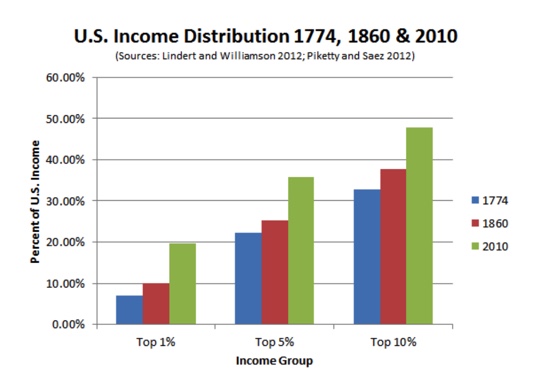
The wealth gap in America is currently more than the wealth gap observed in France during the French Revolution. This being problematic and telling how history historically repeats itself if the lesson is not learned the first time. As money is a deciding factor of what people are willing to endure at work, this is pertinent when discussing the physical and emotional labor associated with minimum wage jobs. Within 1770s France, the French people were upset as they were starving and the french elites were afforded the luxury of food, water, and other riches. This is not far off from today as the American lower class is forced to work multiple jobs, not afforded safe drinking water (Flint Michigan), and is susceptible to food insecurity. Within the hours that individuals put in, they are forced to work in a capitalistic society that nickles and dimes the fuck out of their workers.
American service workers are underpaid and overworked, having to do emotional and physical labor that reshapes the body. Emotional Labor coined by Arlie Hochschild in 1983 refers to “the work, for which you’re paid, which centrally involves trying to feel the right feeling for the job. This involves evoking and suppressing feelings. Some jobs require a lot of it, some a little of it.” Within American service industries, this looks like wearing a smile, being docile, overly polite, and having to deal with Karens. Thus giving the American service worker a nice kick to their mental health in the process. Along with this service, workers are meant to endure physical labor as well, this being as simple as standing on your feet for 8 hours a day, or doing repetitive motions that might overwork your limbs. Whatever the motion is, it can cause great strain and is usually paired with the workings of emotional labor.
Within our own walls of the University of Maryland, Baltimore County (UMBC), we’ve seen this. Late Night is popular among many students who reside on campus. The meal slot starting at 9 pm and ending at 2 am every night. Recently within the last few weeks, we’ve seen the late-night staff go on strike, as it is merely two people who prep, cook, and serve food to drunk, high, and hungry college students. They have to endure the emotional labor of being friendly and nice with students and the physical labor involved with standing, cooking and serving food. Not an easy feat in the slightest. What can be even more frustrating is that these individuals are under contracts and are not afforded the same benefits as other employees on campus. While having to work these odd hours almost every day without break.
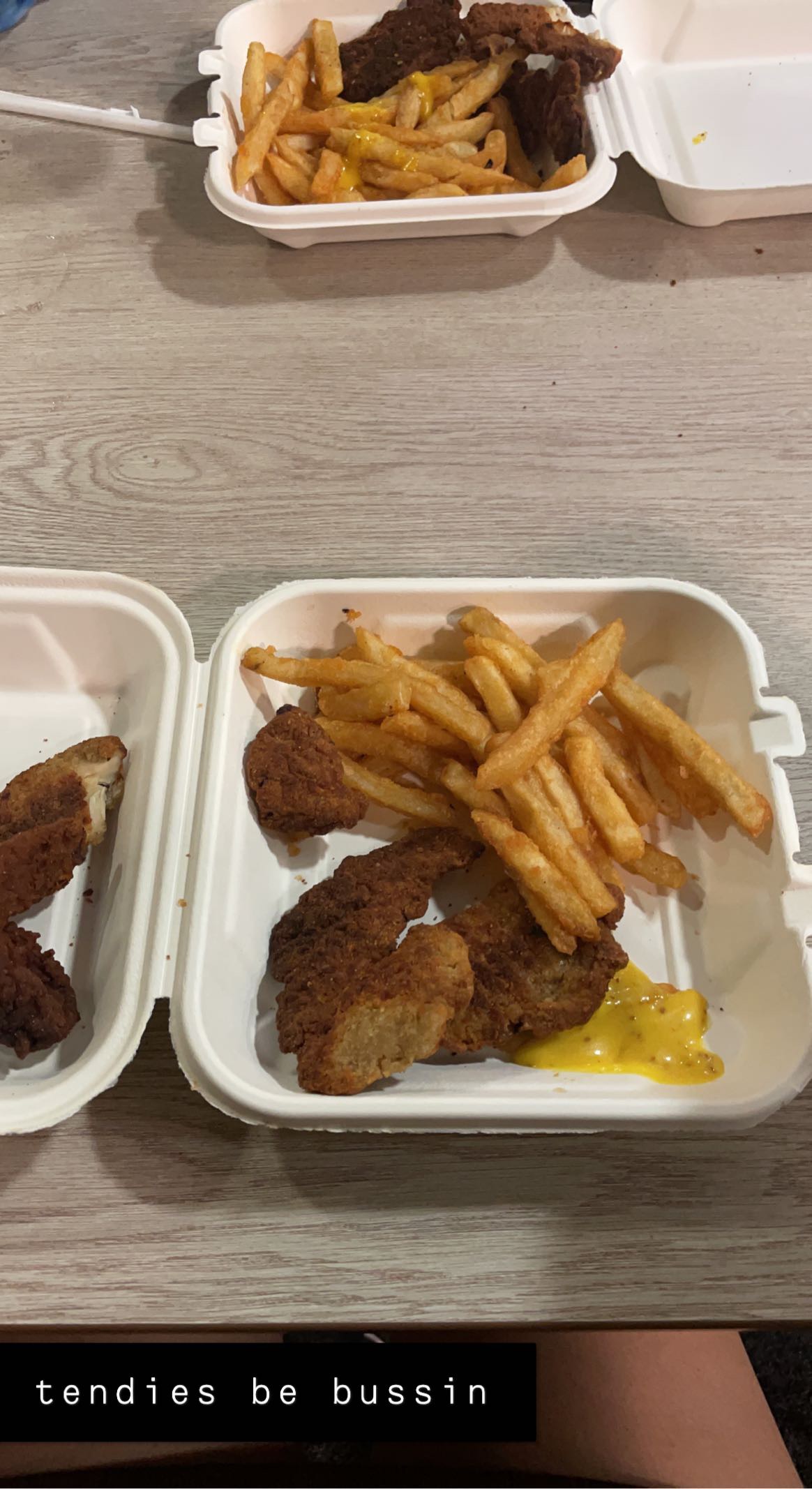
With this being so, it only makes sense that these individuals went on strike. The Result: Late night was closed for a total of two nights, as this was the talk of the school, the two were quickly replaced, showing how replaceable the individual is in a capitolistic soceity. As of right now, it seems that the two are back after residence had to deal with raw and blackened chicken tenders during their departure. While it is evidently unknown what the true reason was, only one can imagine the amount of work that the staff at UMBC truly does. The Conclusion: UMBC should pay their employees more, if they don’t it is only a matter of time until they go on strike again, as history historically repeats itself. May this be a warning for other universities.


Thank you for this analysis! Knowing that the current wealth gap is wider than it was when catalyzing a history-changing event definitely helps to put this all in perspective. As an institution, I wonder whether UMBC (and other universities and workplaces for that matter), can be truly just towards their workers, but the least they can do is meet their demands. As for students, we should do more to make their jobs easier, understand the conditions they work under, and when appropriate, support them in making their demands clear to the university.
In addition, the replaceable nature of capitalism is another conversation worth having. It’s a system that doesn’t see you as completely human, but just another expendable body. Throughout history, it’s been so much of workers taking on the responsibility of advocating for rights and basic needs that should already have been afforded to them, and it’s infuriating that the system must work like that. UMBC is just one microcosm of what’s been going on, especially with tensions being strained due to the pandemic. Personally, I hope to see more organized action and am looking forward to finding out how to help!
I remember when Late Night closed hearing rumors that the workers were on strike, but it was so difficult to find concrete information about what was actually happening. UMBC simply stated that Late Night was closed due to circumstances “out of [their] control,” which is such a bull shit PR front. It’s frustrating, because I know many students who would have supported the workers in their strike if they had known what was happening. The only way substantial change can be made is when members of the working class support each other, and since many students work minimum wage jobs, in the food industry or otherwise, I’m sure they would have wanted to know the conditions Late Night employees were working in.
It was enlightening when you related emotional and physical labor to American service workers as well as inputting this to the late night staff at UMBC. We were never informed the reasons for the strike but even without knowing, I was supportive for it. It was easy to perceive the emotional and physical labor the staff had to work through.
I also hope that the conditions and benefits become better for the staff at UMBC and UMBC can recognize the importance of all staff.
As someon who lived on campus in the past and enjoyed late night, to come back and see the state it was in- an inrodinate amount of hungry and only 2-3 workers; was sad to see. It was not surprising tho, seeing as covid restricitons meaning all the students who were at home are now on campus as well as all the new freshman from highschool. Moving forward, the school needs to anticipate things like this to batter navigate problems like this.