
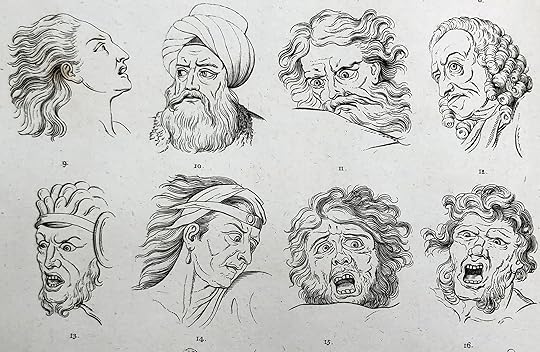
I took an English 493 course titled Science, Rhetoric, and the Body a couple years ago and it was a super enlightening class and a great introduction to disability studies for me. One topic we discussed a bit was the concepts of physiognomy and phrenology (the judgement of character based on facial features and the shape of the skull respectively). These used to be scientific concepts and were genuinely studied as a way to diagnose criminal behavior, but were ultimately judgements based solely in racism, anti-semtitisim, and ableism. While we may see ourselves as far past appearance based judgements (how many times as a child were you told “don’t judge a book by its cover?”), these concepts are still present in small but insidious ways in the media we consume, most noticeable in animation.
A big feature of animation is its ability to over exaggerate movements and features and the ability for the medium to suspend disbelief. Characters can range from highly detailed with articulated movements to a series of scribbles moving wildly, but even the most simple animation is able to convey personality. However even with the many possibilities for animation to create wildly varying types of character designs, many seem to fall back on stereotypes to convey the intrinsic nature of their characters, especially when it comes to side characters and villains. The visual rhetoric that conveys the idea that appearance dictates personality.
Consider the animated version of Beauty and the Beast, a story that is not only about change and becoming a better person but loving someone despite their appearance. There is something to be said about how despite the narrative that he is worthy of love despite his looks, the sign that he has become good is a physical change from “ugly beast” to “handsome white man” and that “ugliness” is a curse to begin with. That is a whole blog post in and of itself, but the character LeFou is a great example of how the idea of physical appearance correlates to his role in the film. LeFou is a goofy side character, his sole purpose is to back up Gaston and enhance his status as a handsome suitor and antagonist. As a result, his appearance is meant to contrast the exaggerated manly and handsome features of Gaston, meaning LeFou is short, fat, and has a large nose and missing teeth. Would the movie be the same if their appearances were reversed? Would a handsome but goofy man come across as a supporting cast member and villain at first glance? Would a persistent and confident man feel more like a joke and less like a threat if he was not conventionally attractive? There is an underlying issue that the appearance of these characters drastically changes how these characters are perceived by the audience.
As much as we may see the concepts of judging morality or ability based on appearance as something from a bygone era, we still continue to promote these ideas in various forms of media, especially animated media. It is something to think about as we consume media and think critically about it. In what ways is this work portraying certain features or characteristics as a flag for a particular character archetype or certain personality traits, and how can we encourage media in the future to move away from these stereotypes?


Pingback: Animation and Physiognomy — Unruly Bodies – yellow in grey