
The definition of disability that Oxford Dictionary uses is “a physical or mental condition that limits a person’s movement, senses, or activities”. Society in a broad way decides what is limiting, to have a certain degree of poor vision is not limiting because glasses are so widespread, to have the flu is (often) not limiting because there are medications that can quickly treat the disease. Some things are limiting because society has made them that way, having mental health issues can be limiting because access to affordable care is difficult, having a chronic illness is limiting in that others do not support or believe in what one believes is limiting them. Per Oxford disability is categorized by what someone can and cannot do, as partially controlled by society, but that is the dictionary definition. No one cares about the dictionary definition in real life though.

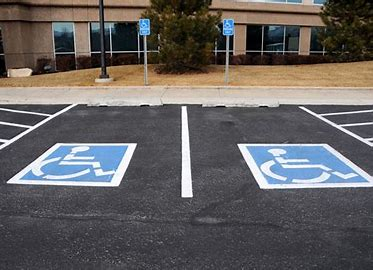
People care about themselves and their worldview. What I view as a disability depends on my community and the world I interact with. Seeing someone in a wheelchair I know them to be disabled because that is what the parking lot signs say. That this person needs accommodations to be able to go grocery shopping. I honestly think it is the sign that makes me view someone as disabled, the fact that Walmart has said that they have a disability and therefore need assistance makes me think that they have a disability. Of course, it seems silly to frame the idea that companies determine disability but isn’t it true. The accommodations given indicates who is believed to need it. There is no widespread accommodation for chronic illness symptoms or migraines. This is sad, but I think it is something that we all know intrinsically. Invisible disabilities in the mainstream don’t seem to be a part of the common vernacular. Due to the self-centered nature of people and the ability to only look so far beyond themselves it feels as if invisible disabilities don’t count. They do count, they should count to everyone, but they don’t.
 Unruly Bodies