
In our culture, the word “disability” frequently evokes pictures of people who have obvious disabilities or trouble moving around. But the truth is much more complex. There are many different kinds of disabilities, and not all of them are obvious at first. Certain disabilities are obvious, like needing a wheelchair or cane, but others stay hidden, hidden beneath the surface of day-to-day interactions. The requirement glasses is one of the best examples of an invisible disability. Many people deal with vision impairment, that greatly affects their daily lives but is frequently overlooked by others by wearing glasses or contact lenses.
A change in viewpoint is necessary to comprehend the actual nature of disability. It entails realizing that a wide range of conditions can cause disabilities. Not all of which are apparent right away. Consider the experience of those who wear glasses, for example… Even though wearing contacts or glasses may not initially seem like a disability, they are a type of accommodation that is required for getting around. Those who rely on these are aware of the limitations and difficulties they would face in their everyday lives if they did not have them. The usage of glasses is inextricably linked to their capacity to operate well in their surroundings, from reading signs to identifying faces. This highlights how crucial it is to promote a more accepting and compassionate view of disability. It emphasizes how important it is to recognize and make accommodations for all kinds of disability, whether they are obvious or hidden. By extending our senses.
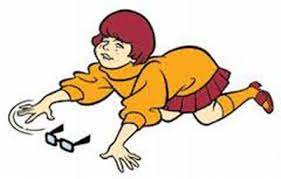


I like the idea of expanding what disability means. Being exclusory over what is and is not a disability hurts those who are suffering and only positively impacts big companies and governments in that they do not have to be as accommodating to those that need more support. The idea that people who wear glasses are disabled is one that seems like a shock first off but is there any impact on the population if we consider those with glasses disabled, I don’t think so.
I do think that it’s hard to define what a disability is or isn’t. Is there some sort of threshold of functioning that has to be met for something to be a disability? I think that it’s something that we can’t really measure, so it’s hard to say when something is a disability or not. I can see the argument that if someone has vision impairment no matter how small it is a disability. Many people with glasses do truly need their glasses to function in the world.