
As a child, in old pictures of myself, I had a crooked smile. My bottom jaw would swing out to the right side. Although my smile is usual now, I still must deal with the aftermath of it. One of the many issues I have that make me who I am is my Temporomandibular disorder, which is that the jaw joints and muscles have issues that can affect jaw movement. It changed how I functioned with the world since it impacted my speech. It comes with an array of symptoms that I experience daily, such as extreme pain in the chewing muscles and jaw joint, which is the most common, but the pain does spread to my face, neck, and head. The jaw stiffness causes limited movement, which causes painful clicking, popping, or grating in the jaw joint when opening or closing my mouth, which I call my party trick. Ringing in the ears and hearing loss, for me, starts with an auditory trigger. Dizziness and headaches with light sensitivity happen often. It changes the way my upper and lower teeth fit together. This disorder has many symptoms that can be caused in many ways.
Now, this is a somewhat common issue, and in most cases, it is a short-term issue. For me, it is chronic, so I needed to adjust in my life to avoid my constant pain, which can be debilitating at times. I eat soft foods in small bites; I say that I eat like a baby bird. I must go to physical therapy often. I have tried so many different treatments to help this issue. Still, sadly, this will be a constant issue in my life, which was solidified to me when my physical therapist used the term chronic for me. They believe I need to get more testing to see if I have a joint disorder as well since some of my limbs are hyper-extended, which is why my jaw does not want to stay put. My disorder is a forever thing for me, and since that is the case, I try to joke about it to alleviate the severity of my issue since having a positive mindset is essential.
I deal with these issues the best I can without letting others know for the most part because the person cannot see my problem only if you observe the way I open my mouth. After all, it still swings to the right. Since I do not think it is necessary to disclose that information when I do not need to. I wear sunglasses and do things to help reduce my pain, but some days, the pain is debilitating. I do try to push through, but it can be so disappointing trying to go above and beyond just to be judged in front of a group of people.
For example, my community college photography professors called me out in front of everyone to ask what my deal was because I was staring at the ground, closing my ears, and rubbing my jaw since my ear was ringing and I felt nauseous from dizziness. He was the only person who noticed and brought unwanted attention to me. Once I told him I wasn’t feeling well, he got annoyed, and the rest of the class was awkward. Later in the semester, he took me outside after class to say I was a terrible student ruining the course for everyone else for having different opinions from him and not being respectful to him because sometimes I am looking at the floor. I told him about my disorder, and he was glad I was in pain because he thought I was making an excuse to be rude. It was the first time someone told me they were happy because I was in pain. After that conversation, he kept asking me about my disorder because I do not think he fully believed me. I was in my second year of trying to understand my diagnosis and trying to treat it. That experience was frustrating to have to over-explain myself to a person who controls my grade the rest of that semester I felt uncomfortable.
This is just one of the many issues that make me who I am, and these uncomfortable, weird, and painful experiences make me a resilient person.
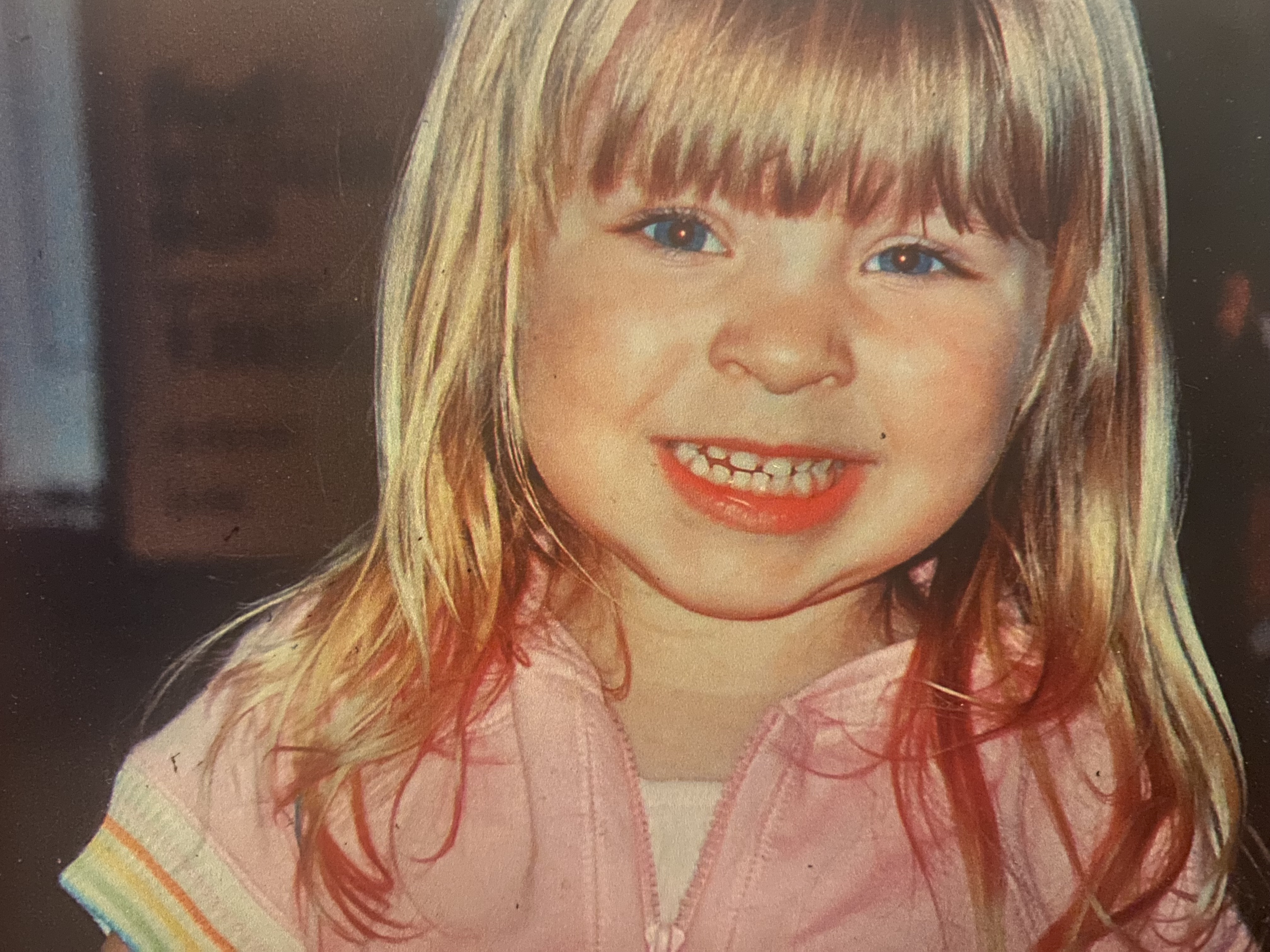
All my teeth touch on the right side but not my left.


Love how brave you are to share your story not only helps raise awareness about TMD but also fosters the understanding for individuals dealing with unseen disabilities. The way you faced adversity serves as a powerful reminder of the importance of kindness and compassion in our interactions with others.
I am moved by the candidness with which you shared your experiences living with Temporomandibular disorder (TMD). Your story is a poignant illustration of the challenges faced by individuals with invisible disabilities, and it resonates deeply with me.
Firstly, your description of living with TMD and its impact on your daily life is incredibly powerful. It brings to light the often-overlooked reality that many individuals live with chronic conditions that, while not immediately visible to others, significantly affect their quality of life. The adaptions you’ve had to make, such as eating soft foods and frequent physical therapy, are testament to the resilience and strength required to navigate such challenges.
Your experience in the photography class particularly struck a chord with me. It highlights a critical issue in our society’s understanding and acceptance of invisible disabilities. The lack of awareness and sensitivity from your professor underscores the need for greater education and empathy towards those whose disabilities may not be immediately apparent. It’s distressing to hear that your pain and the accommodations you require were not only dismissed but also met with judgment and disbelief. Such experiences can be incredibly isolating and discouraging.
Your story is a powerful reminder that disabilities come in many forms and that each person’s experience is unique and valid. The resilience and strength you’ve shown in the face of misunderstanding and discomfort are remarkable. It’s important for us, as a society and especially within educational environments, to cultivate a culture of empathy and support for individuals with invisible disabilities.
Your post adds a valuable perspective to our class discussions about the diversity of bodily experiences. It challenges us to think critically about how we perceive and interact with others, especially those whose struggles may not be immediately visible. Your journey is not only a testament to personal resilience but also a call to action for greater understanding and inclusivity in our communities. Thank you immensely for your contribution.