
Neurodiversity can be defined as differing in mental or neurological function from what is considered typical. Neurodiversity can take many forms, like ADHD, autism, dyslexia, and Tourette syndrome, just to name a few. Thinking differently has many advantages, like better pattern recognition, creativity, stronger observational skills, and more. Unfortunately, neurodivergence does not exist in a vacuum. People are perceived by society through social constructs like gender, sexual orientation, socioeconomic status, and more. In this post, I explore the intersectionality of race and neurodiversity, focusing on Black people in the United States.
The stereotyping around neurodiversity shows itself in assumptions of intelligence and capabilities. Stigmas include low intelligence, carelessness, lack of ability, and behavioral issues. In school, neurodivergent children are segregated from the other students by learning in different classrooms. When combined with the structural inequalities around race, it could be a deadly unification. White children are twice as likely to receive a diagnosis compared to black children. Teachers in wealthier, whiter schools are more likely to recognize neurodivergent behavior. When paired with stigmas around black people being trouble-makers in society who deserve the punishment they receive, it is not surprising that Black children are punished harsher for behavior that may be signs of neurodivergence. This ties right into the school-to-prison pipeline, which are the policies and practices that push our nation’s school children, especially our most at-risk children, out of classrooms and into the juvenile and criminal justice systems. This phenomenon shows itself in disproportionate punishments given to black and brown children, especially for boys. Black and brown children are constantly looked at as deviant or “bad” children who deserve to be punished in school and grow up to be overly policed by law enforcement in society.
I’ve seen this first-hand with my brother. We lived in a majority non-black neighborhood, and it was very apparent that teachers did not have a lot of experience with children. My brother always showed Attention Deficit Hyperactivity Disorder (ADHD) tendencies, something that the school was made aware of each year. He was always in trouble for something, whether it was talking back or playing too rough. The teachers were generally white women who did not understand him. Punishments were always suspensions, which never matched with what he did. The problem with suspension is that the student misses school time, which leaves the student behind in classwork. They also go on your school record and can affect your chances of getting into your first-choice colleges, getting jobs or internships, etc. In high school, he was officially diagnosed with ADHD, and the school issued a 504 plan, a plan developed to ensure that a child who has a disability identified under the law and is attending an elementary or secondary educational institution receives accommodations that will ensure their academic success and access to the learning environment. For my brother, he needed small breaks where he could walk around the hallway, headphones, and his personal space. To put it simply, he just needed to be left alone, which seems like something so simple but was proven so hard to comply with. Some teachers understood this dynamic; he may not look like he’s paying attention, but he is. However, some teachers could not let it go. Constantly being reprimanded for having his headphones in, not being allowed to get up and leave when he needs to, etc.
In the fourth grade, my brother was in art class and called this girl’s artwork ugly. The girl said, “So is yours,” they both proceeded with the rest, not considering the interaction. The art teacher overheard this interaction and reported him to the principal, where he was later suspended for bullying. When my mom caught wind of what was happening, she contested with the principal, who would not budge, a couple of administrators in the school system, and then the superintendent of Howard County Public Schools. She was met with the same stubborn and prejudiced mentality that a conversation overheard between two students warranted a three-day suspension. It wasn’t until my mom hired a lawyer, built a case, and threatened to sue the school that the suspension was overturned. The process took a year of constant back and forth with the school system and another six months to correspond with a lawyer. It is not lost on me that not everyone can spend 18 months in a battle with the school system over one suspension, and it makes me wonder how many other children were punished unfairly but did not have the resources to hold the school system accountable.
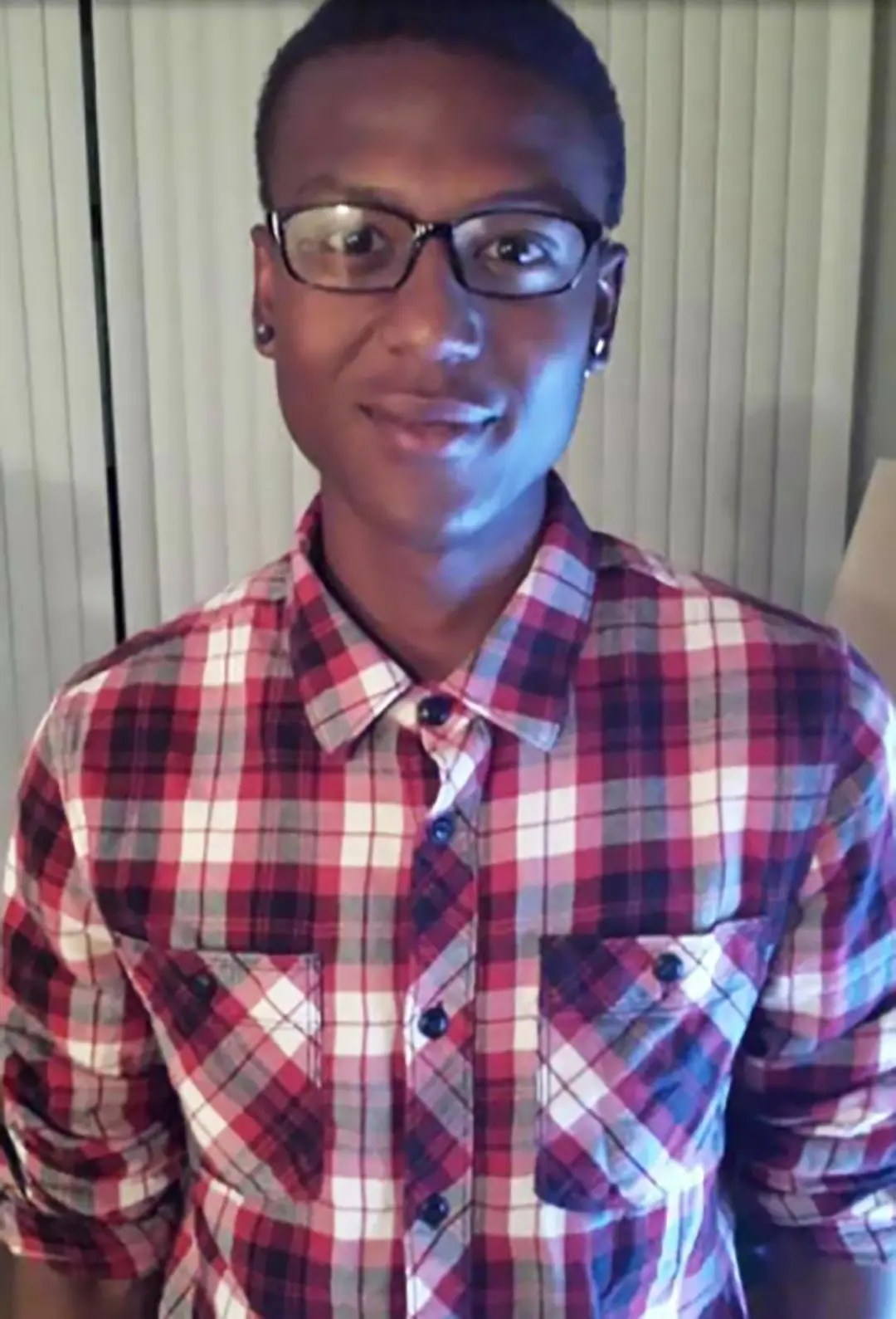
Lastly, I want to shed light on Elijah McClain. Elijah was a 23-year-old massage therapist who loved to play violin for stray cats. When the police harassed him, he notified them that he was autistic, but the Aurora, Colorado Police Department still murdered him. These practices and procedures aren’t just humiliating; they take the lives of the innocent.
 Unruly Bodies
I appreciate your post and I’m sorry your brother had to experience that type of harm by teachers and other staff in his schools. Bringing up how race and neurodivergence intersect is so important because as you said, Black people are overpoliced and hyperpoliced and half of people killed by police are disabled. This means that Black disabled people are disproportionately victims of police violence. RIP Elijah McClain he and countless others deserved so much better.
From my own perspective as a privileged white female who is both neurodivergent and firmly against racism, I find the intersectionality of race and neurodiversity profoundly significant.
Your personal insights into the disparities in how neurodivergence is perceived and treated across different races deeply resonate with me. It’s distressing to acknowledge that neurodivergent individuals, especially those who are Black, face a double layer of challenges due to systemic biases in diagnosis and support. The revelation that white children are more likely to be diagnosed with neurodivergence than Black children highlights a glaring gap in equitable healthcare and education.
The personal story of your brother’s experiences within the education system is a powerful testament to these systemic issues. It illustrates how racial biases compound the difficulties already faced by neurodivergent individuals. His struggles with receiving appropriate support and understanding from educators, and the disproportionate disciplinary actions he faced, are unfortunately not unique. They underscore the need for a more inclusive and sensitive approach in our education system that accommodates the diverse needs of all students, including those who are neurodivergent and of different racial backgrounds.
The account of Elijah McClain’s tragic death painfully emphasizes the real and sometimes fatal consequences of these systemic failures. It serves as a stark reminder of the urgent need for societal change in how we perceive and interact with neurodivergent individuals, particularly those from marginalized racial groups.
From my standpoint, this blog post not only highlights critical issues at the intersection of neurodiversity and race but also calls for action. It underscores the importance of advocacy, education, and reform to address the biases and inequalities deeply rooted in our systems. As someone committed to anti-racism and understanding of neurodivergence, I feel it’s imperative to use our voices and platforms to bring about meaningful change. This involves not only raising awareness but also actively participating in and supporting movements that aim to dismantle these systemic barriers.
In conclusion, your post is a powerful call to action. It invites us to reflect on our own positions and privileges and to engage in the necessary work of creating a more inclusive and equitable society for neurodivergent individuals of all races. Thanks for this stark reminder.