
TW: Mentions of body shaming, eating disorders and rape/SA.
“Have you tried losing weight?” “Maybe you should get on a diet.” “The pain would go away if you were smaller.” These are all poor excuses that people When going to the doctor as a bigger person, there is almost a preparation internally that is done to face the same two statements.
“You need to lose weight.”
“Your chronic pain and other ailments are tied directly to your weight and the sole way to solve them is to lose weight.”
Bodyshaming and generalization of health concerns are something that so many people face, but unfortunately, the majority of them facing it are either people with a uterus (everything is blamed on your menstruation), or people who are bigger (everything is blamed on your weight).
One of the most blatant problems with this is that it does not consider the potential underlying psychological problems that may be the contributing factor to the weight gain. For example, in Roxane Gay’s piece “My Body is a Cage of my Own Making”, she explains that she started compulsively eating after being raped. A glaring problem with society is the fact that eating disorders are only taken seriously when the person is thin and the presumed disorder is anorexia. Compulsive eating is often used to cope with a traumatic event, depression, anxiety, and more.
When people’s physical pain gets dismissed under the belief that their weight is the cause of it, that is discrimination from a medicinal level, but also from a societal level. Society has created an idea that bigger people are no more than greedy people who choose to eat nothing but unhealthy food. It does not, however, consider the various systemic causes of weight gain, particularly in minority and lower income groups.
A food desert is when there is a significant amount of space within a neighborhood or living area without a grocery store or close access to a place with fresh fruits, vegetables, and healthy food. These are extremely prevalent in lower income areas, along with African American and Hispanic communities, leaving them to have to rely on fast food and corner stores.
Next time you’re in Baltimore City, pay attention to how many liquor stores you see versus how many grocery stores you see. Then, go read about how Baltimore City is talked about and framed within just the state of Maryland compared to places like Columbia, MD.
Between the societal, systemic, and medical disadvantages that people face, it is an uphill battle to not be defined by your weight, especially since that’s what benefits the government the most anyway.
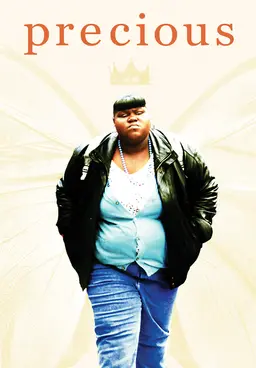
*This is from the movie, “Precious”, and a lot of what was said in here relates to this. There is a lot of harsh themes brought up, but it is an incredibly powerful story.

