Hypochondria

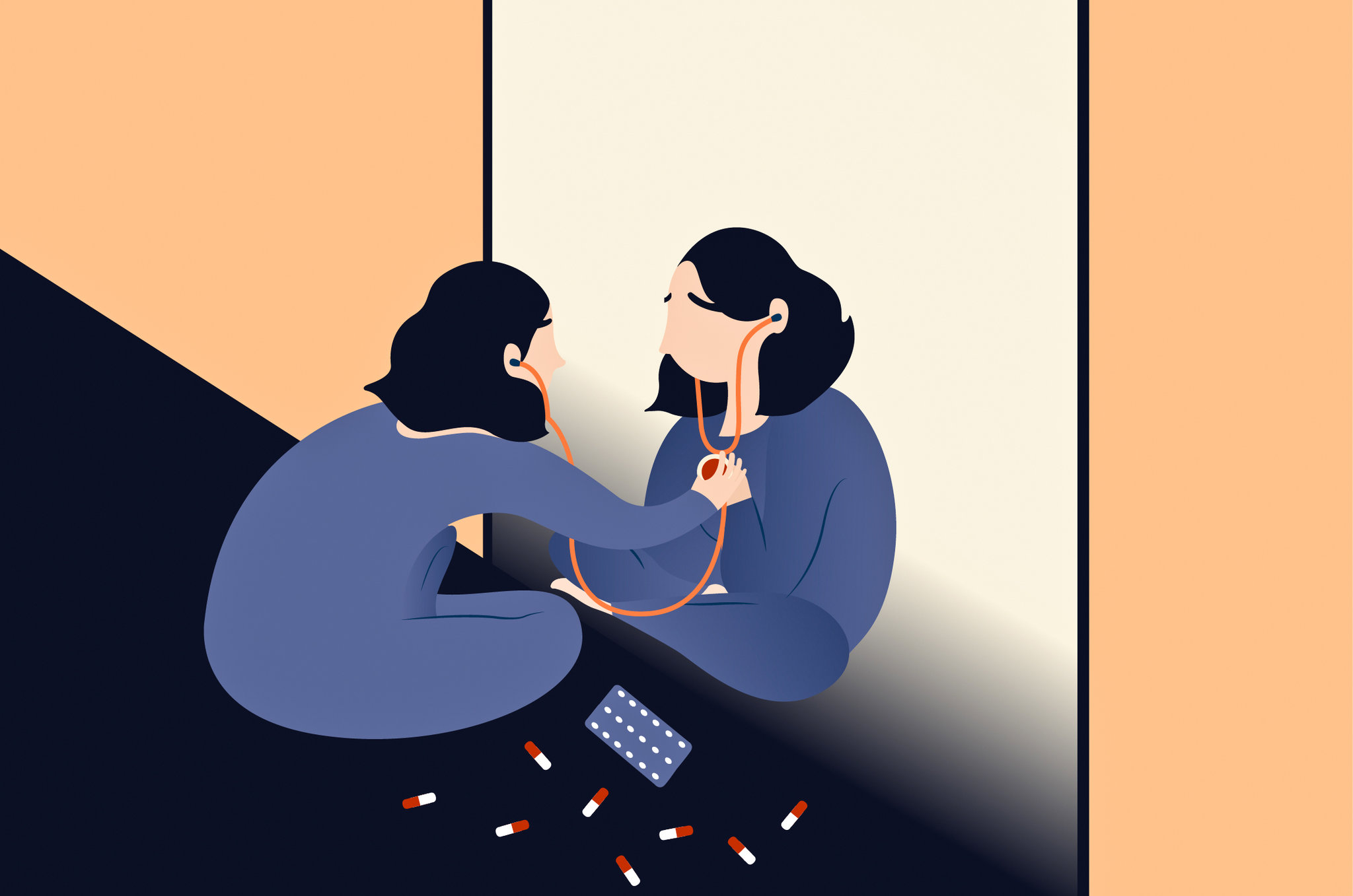
Living with the constant fear of having a serious illness really takes a toll on you. I’ll never forget that one day last year when I got a headache out of the blue – something that rarely happened to me. Instead of brushing it off, I made the mistake of Googling my symptoms, and the search results made me think I had a brain tumor. Cue a major anxiety attack that kicked off my struggle with hypochondria.

In the weeks that followed, I became hyper-aware of every little sensation in my body. I went down a rabbit hole of health websites, learning way more about the human body than I ever intended. If something felt even slightly off, I’d convince myself I had some serious illness, leading to many sleepless nights filled with panic attacks. But over the next few months, things slowly got better. I’m happy to say that I’ve moved past that phase of hypochondria.
Anxious

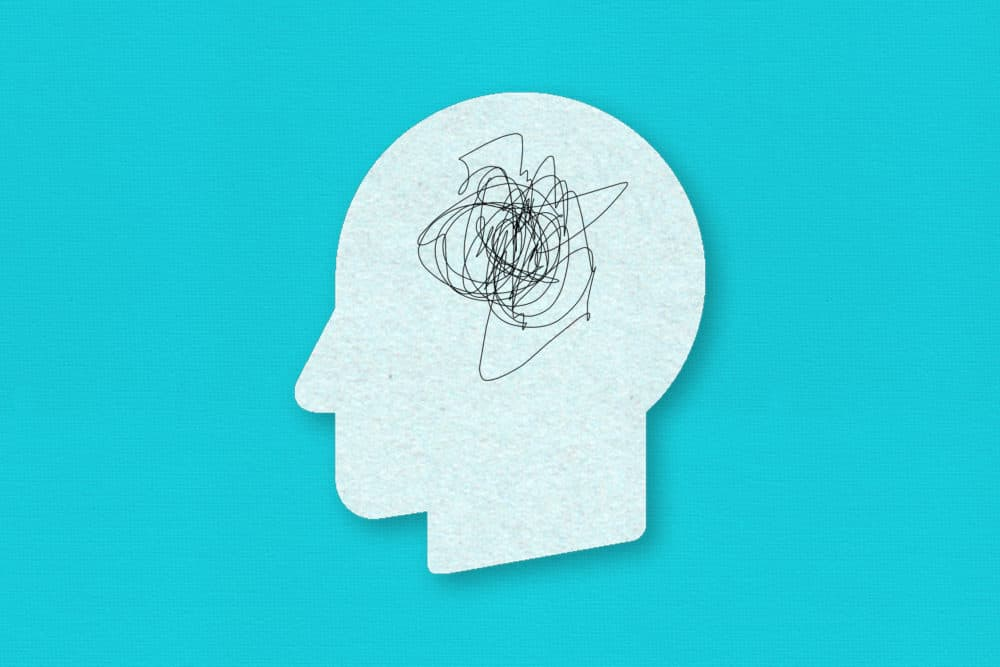
Living with anxiety has been a very big part of my life, and it affects my daily routine. The constant worry and unease make even simple conversations feels like a challenge, leaving me feeling pretty uneasy in social situations. As a student, the pressure to excel academically only makes my anxiety worse, making it hard to keep up with assignments and deadlines. Whether it’s about health, school, money, friends, family, etc. everything seems to make me anxious in a way. It’s comforting to know that I’m not alone in this struggle and that many people face similar battles with anxiety.

I’ve taken some steps to try and tackle my anxiety. I’ve been watching YouTube videos and reading articles that provide tips for managing anxiety. These videos and articles have given me a sense of motivation to try and retrain my brain and reduce the hold anxiety has on my life. While it is tough sometimes, I’m determined to confront my anxiety and work towards a calmer future.

Scale

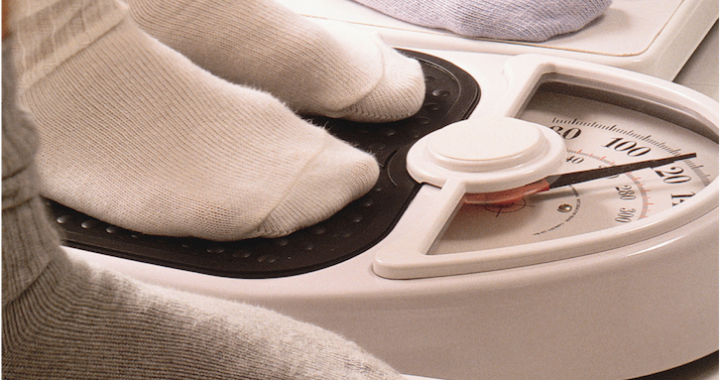
I hate stepping on the scale. But I always do it. Why? I know it might sound a bit crazy, but that number determines my mood for the day. Even if it only increases by two or three pounds, I can’t help but feel like I look drastically different. It’s like I have this “perfect” number in my head, and when I’m above it, it’s all I think about. To get the number to drop, I usually count calories. But I’m realizing that this isn’t a healthy way to live although it’s been my definition of “normal” for years. I’m working on shifting my focus away from that number on the scale, understanding that my self-worth isn’t tied to it. I want to learn to appreciate myself beyond the scale and find a healthier way of living.

Body Image

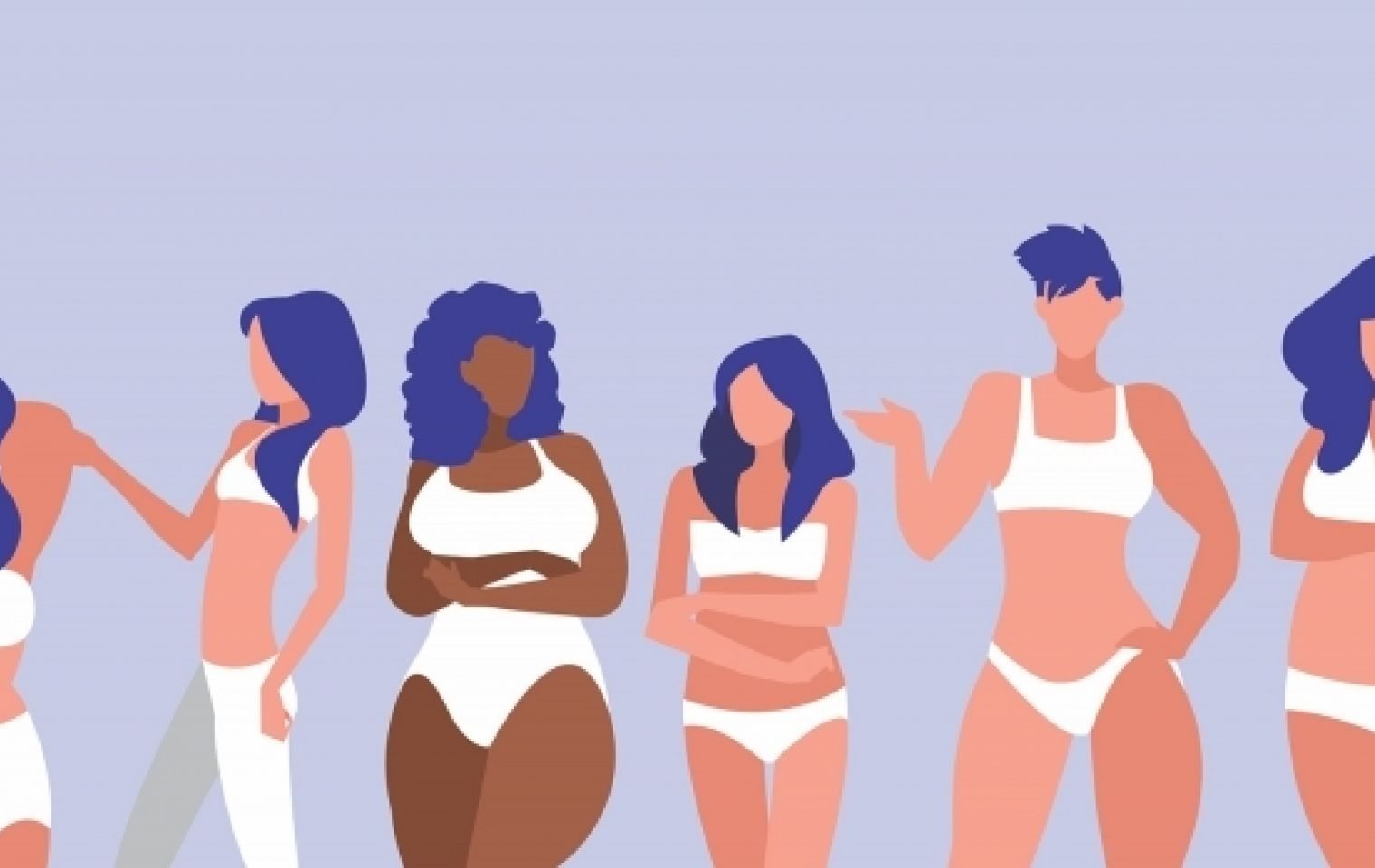
In a world where appearance is very important, a lot of us have body image concerns that impact our daily lives and mental well-being. The reflection staring back at me in the mirror can make me feel powerful or powerless, influencing how I perceive myself. For me, my body image plays a big role in my day-to-day life. It affects everything from the outfits I choose to wear to how comfortable I feel in public spaces. I’ve had moments when I’ve stood in front of the mirror, scrutinizing every curve and flaw, which, in turn, altered my perception of my body. But I’m not alone in this struggle. Many women in society deal with similar feelings, haunted by an idealized image of beauty shown by the media. It’s a constant battle, one that has many effects on my mental health. Choosing an outfit can be a hard when you’re conscious of your body image. I often find myself hesitating to wear certain clothes, fearing they would draw attention to the areas I’m most self-conscious about. It’s something I go through daily, an internal dialogue of self-doubt that many can relate to. Walking out in public can also make me feel self-concious about my body. Thinking about the fact that others perceive my body and can form their own opinions about it. It’s as if I’m constantly under a spotlight, and the pressure to look like unrealistic standards can be overwhelming. The mirror itself can make me feel good or bad about myself. It’s easy to become fixated on certain flaws, inadvertently distorting my self-image. My body image concerns can sometimes have a negative effect on my mental health. It can lead to feelings of depression and anxiety. The comparison to unrealistic beauty standards takes a toll on my self-worth. Supportive communities and professional help can offer guidance. Learning to love and accept myself as I am is a lifelong process, but it’s worth it. I am slowly working towards loving myself for who I am and being okay with all of the features I was born with.